Agentic AI refers to autonomous AI systems that can accomplish complex tasks with minimal human supervision. Unlike traditional AI, which reacts to prompts, agentic AI can plan, adapt, and execute actions toward a goal, making decisions throughout the process.
These systems are made up of AI agents, each handling a specific part of the task, working together in a coordinated way to achieve the overall objective. This ability to perform multi-step, goal-driven tasks with autonomy and adaptability sets Agentic AI apart from traditional AI models.
This shift from answering → acting is what defines agentic AI.
Table of contents
The Easiest Way to Understand Agentic AI
Think about the difference between answering a question and owning a task.
A traditional AI system answers the question:
“What are some good hotels in Bangalore?”
Click here to see the response

An agentic AI system takes on the task:
“Plan my Bangalore trip for three days, keep it under budget, prioritize places near the office, and adjust if my meeting time changes.”
Click here to see the response
This isn’t a single response. Agentic systems execute a task over time and produce evolving results. This is because the AI agent would adapt to the changes in the meeting timings. You might see a log file similar to this:
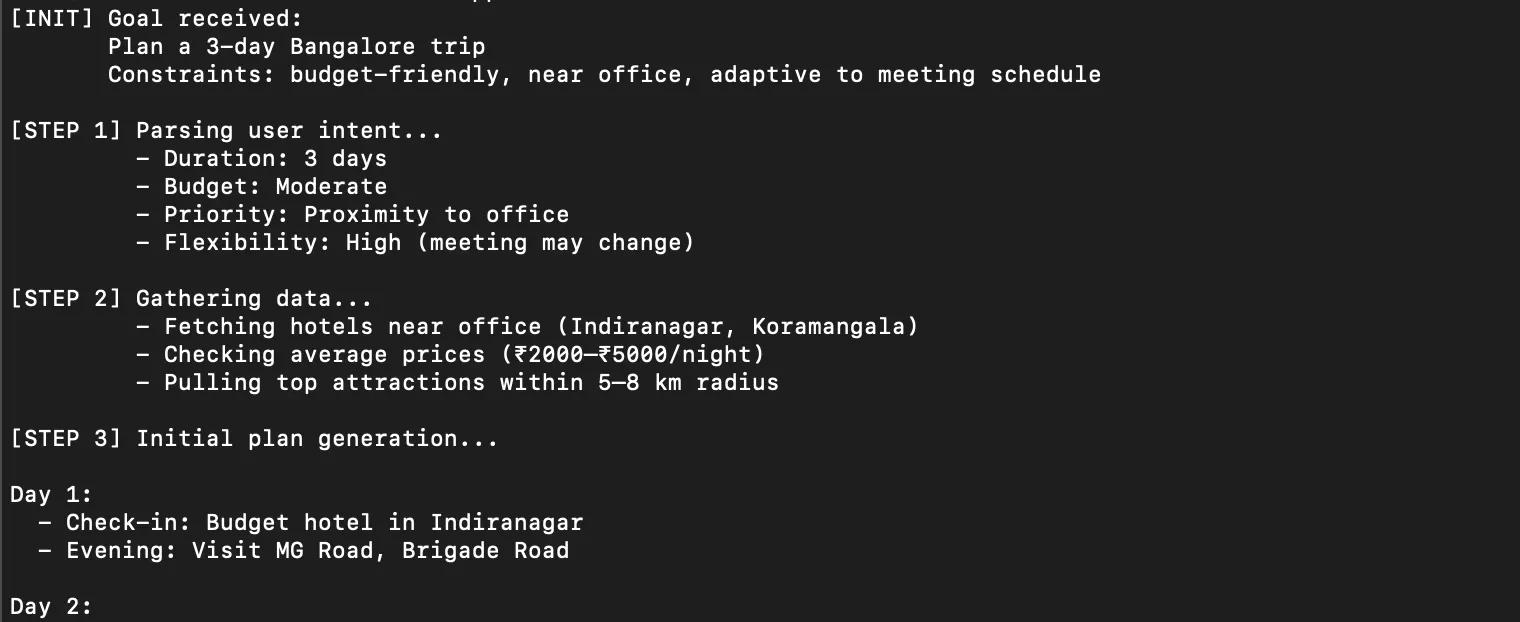
- The first system gives information.
- The second system has to manage a moving objective.
As for the definition, Agentic AI is an artificial intelligence system that can accomplish a specific goal with limited supervision. A lot of its functionality is derived from AI Agents.
How does AI Agent Relate to Agentic AI?
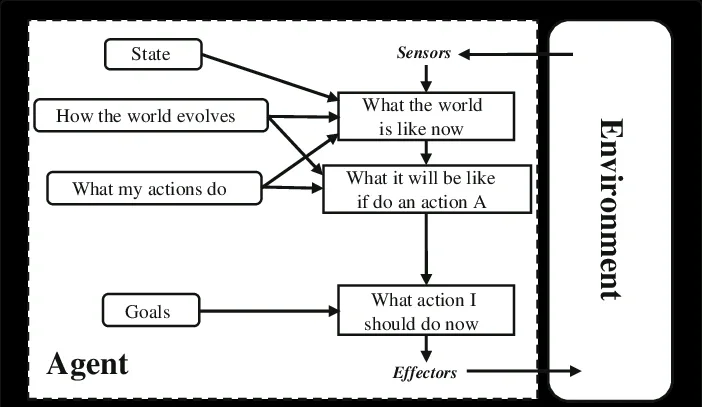
An AI agent is a single, autonomous entity that performs a specific task. It reacts to inputs and completes one job at a time.
Example: A chatbot answering a query.
In Agentic AI, multiple AI agents may handle specific parts of a task (data gathering, decision-making, and final execution) acting as collaborators to complete a larger process. Each agent is specialized, but they all coordinate to move the task forward efficiently.
Example: An AI managing a research task, gathering data, analyzing it, and generating a report.
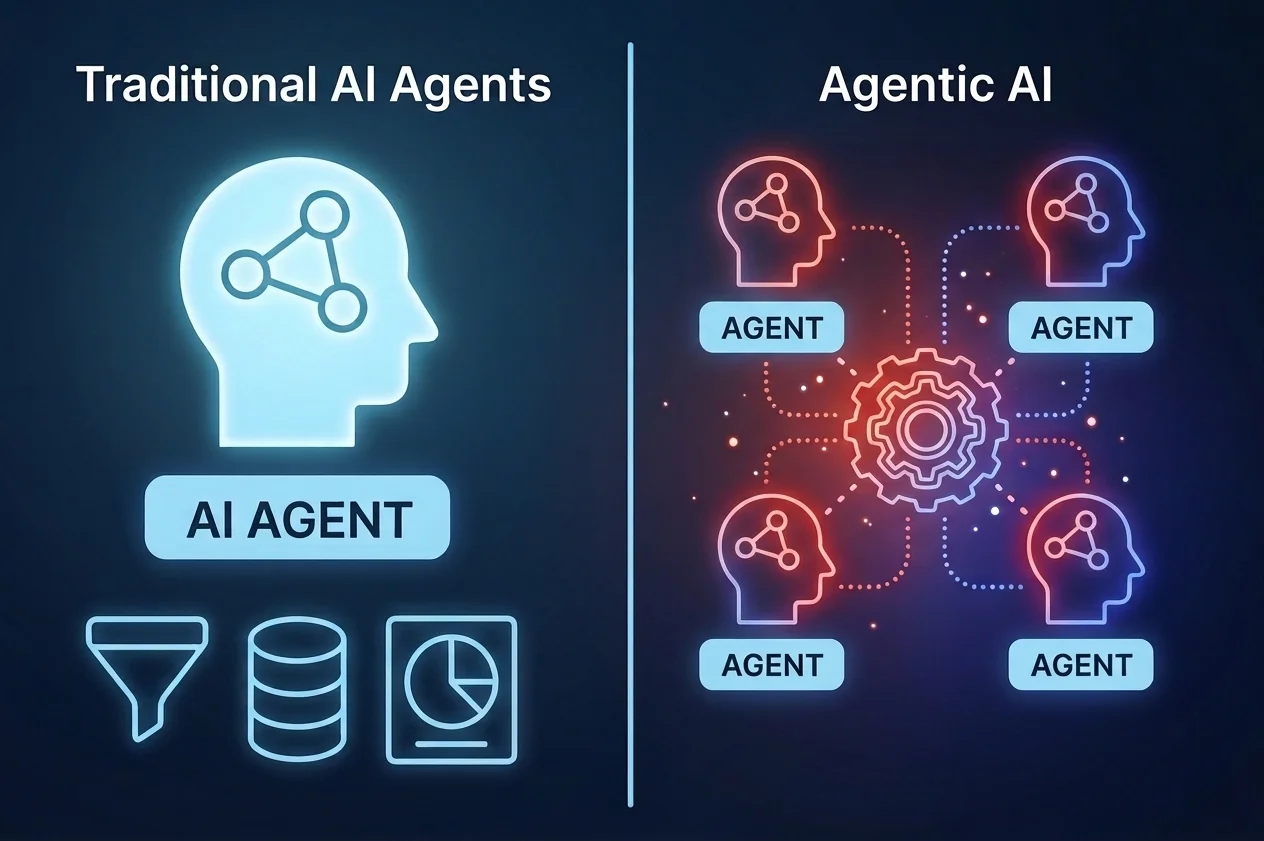
Here are the primary differences between AI agent and Agentic AI:
| Aspect | AI Agent | Agentic AI |
|---|---|---|
| Scope | Handles single or simple tasks. | Manages complex tasks with multiple agents. |
| Collaboration | Works independently on isolated tasks. | Multiple agents collaborate to complete a goal. |
| Task Handling | Reactive, responds to inputs. | Proactive, plans and executes multi-step tasks. |
What makes an AI System Agentic?
Not every AI tool with a fancy interface is agentic. And not every chatbot becomes agentic just because it can call an API.
An AI system starts to feel agentic when it can do the following:
- take a goal, not just a prompt.
- break that goal into smaller steps.
- decide which action makes sense at each stage.
- use tools or outside information when needed.
- track progress across a workflow.
- revise its path when new information shows up.
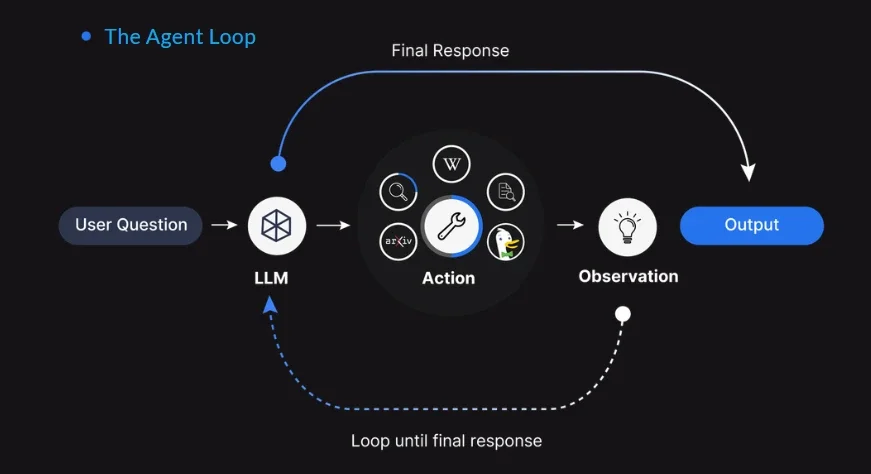
These aren’t hardcoded steps every agentic system needs to follow. The important thing here is not any single feature. It is the behavior that emerges when these features are combined.
A calculator uses a tool. That does not make it agentic.
A chatbot can retrieve data. That alone does not make it agentic either.
What makes a system agentic is that it is trying to move from instruction to outcome, not just from prompt to response.
In other words, it doesn’t stop at answering what you asked. It figures out what needs to be done to complete the task, takes intermediate steps on its own, checks its progress, and adjusts along the way until it actually delivers a usable result.
How Does Agentic AI Work?
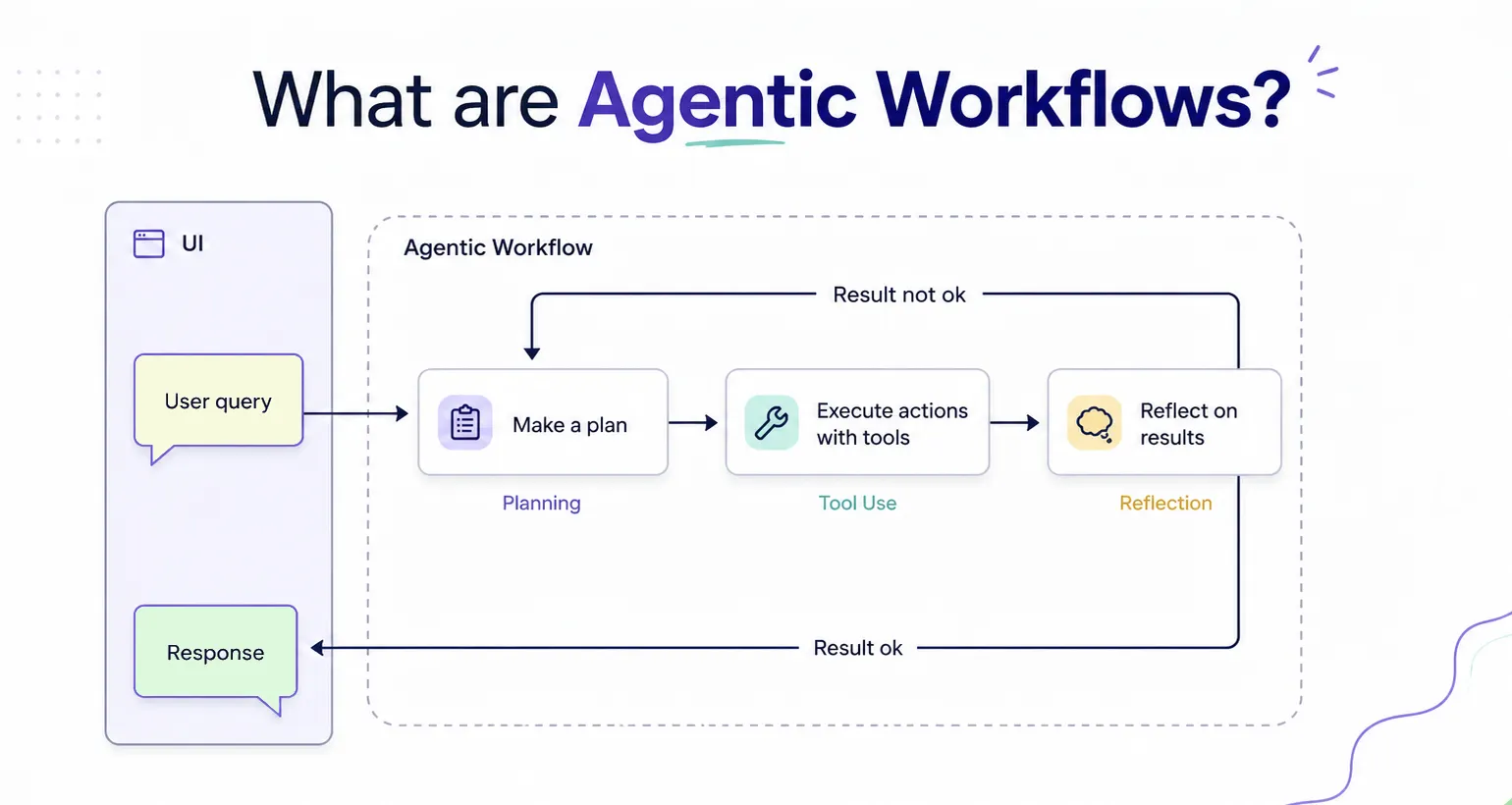
Agentic AI relies on a clear goal-setting process, where the system uses a sequence of steps to get from input to output. Here’s how it works:
- Perception: The AI gathers data from various sources (APIs, user input, external systems).
- Reasoning: The system processes the data to identify patterns and context, forming a plan for execution.
- Goal Setting: The AI sets objectives based on user input or predefined goals and breaks down the task into actionable steps.
- Decision-Making: It evaluates multiple paths and selects the most efficient or accurate course of action.
- Execution: The AI then acts, executing the chosen action, such as interacting with external systems or providing responses to users.
- Learning & Adaptation: After completing tasks, the AI analyzes the results, learns from feedback, and adjusts to improve future actions.
Advantages of using Agentic AI
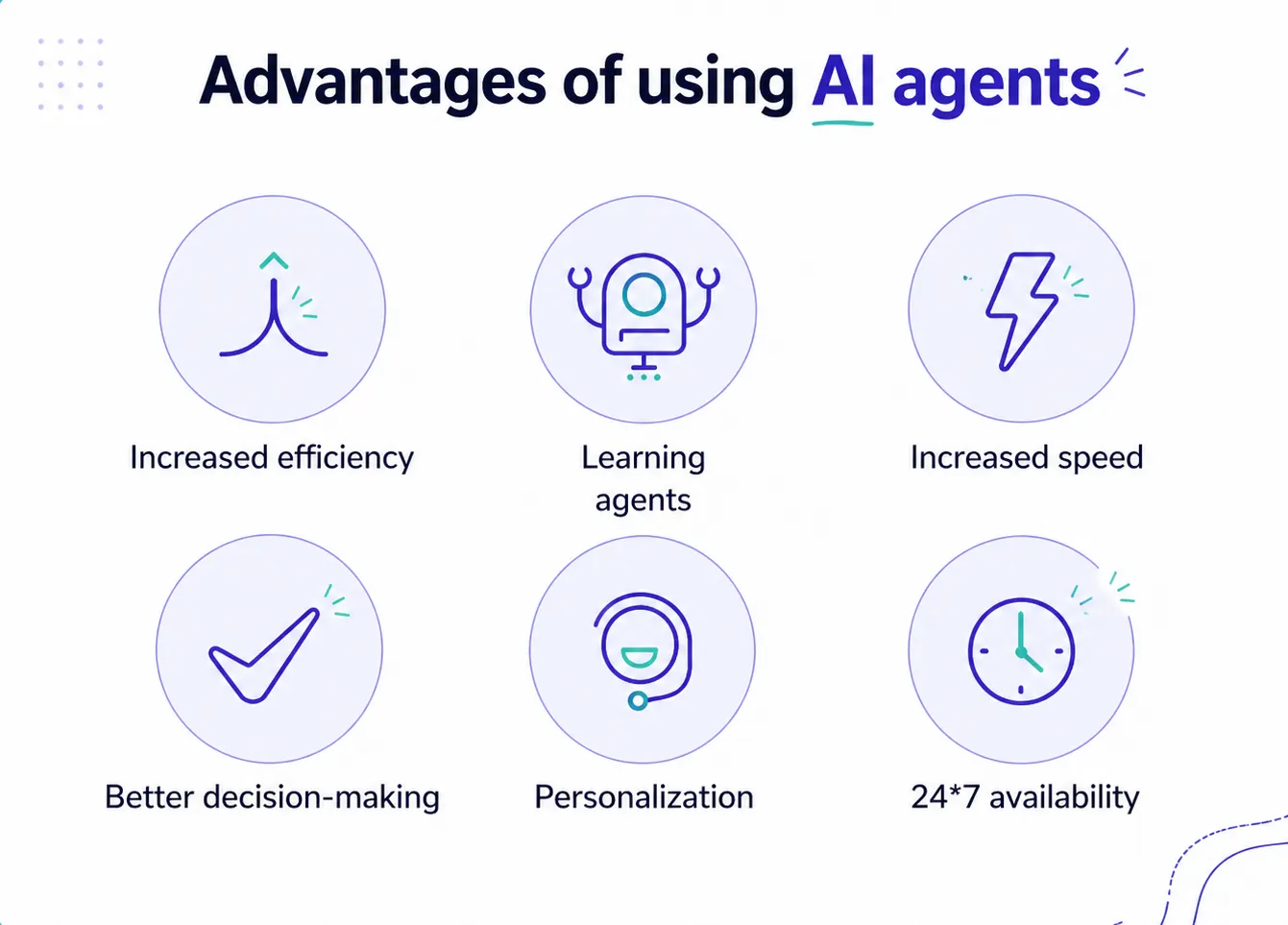
Agentic AI offers several advantages over traditional AI systems:
- Autonomy: Can perform tasks independently, reducing the need for human oversight.
- Proactivity: Moves from being reactive to proactive, handling complex tasks from start to finish.
- Specialization: Agents can specialize in specific tasks, making them efficient in solving complex problems.
- Adaptability: Agents improve over time by learning from experience, refining their approach to tasks.
Types of AI Agents
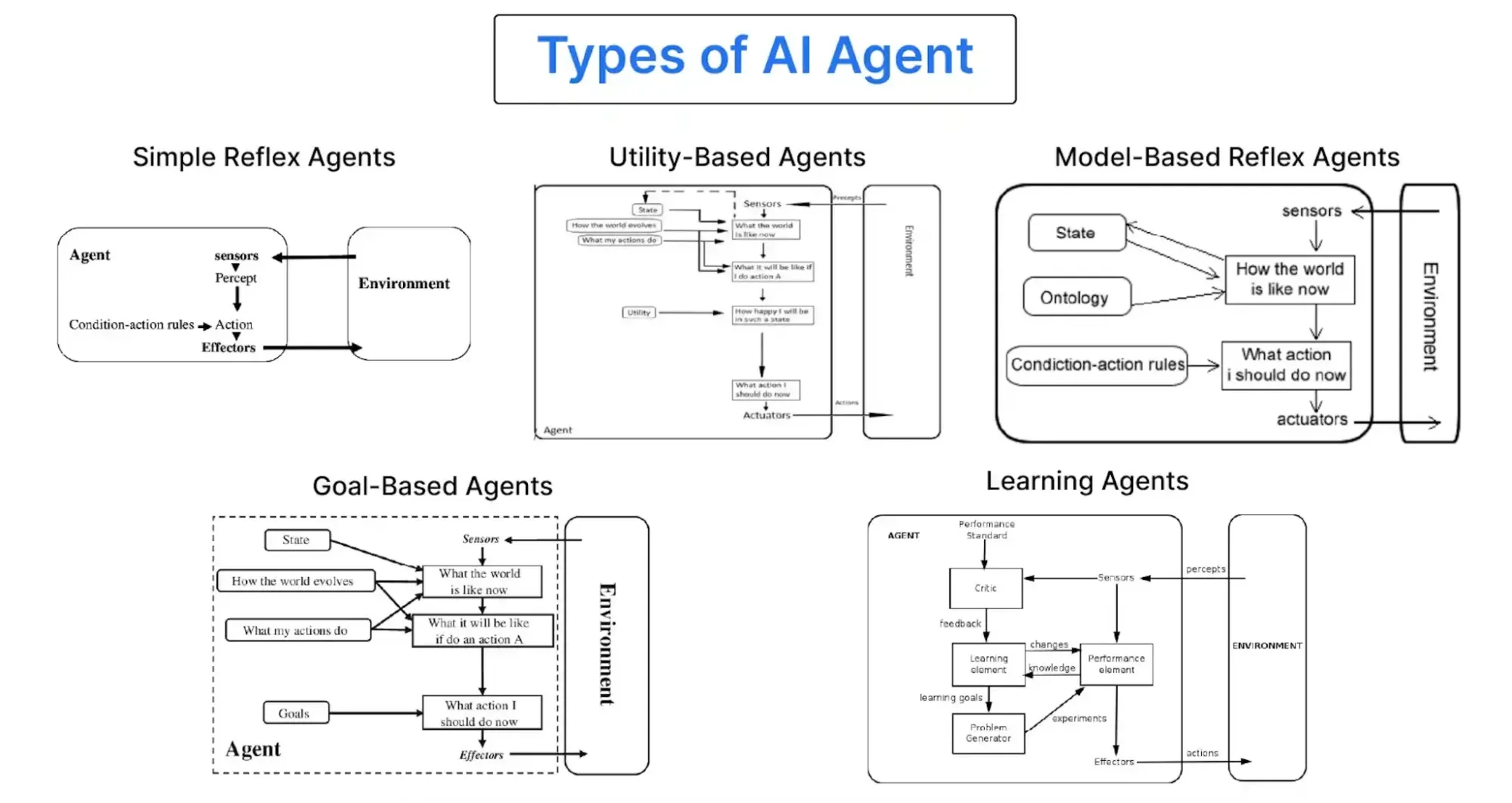
Here are the different types of AI Agents:
- Simple Reflex Agents: Act on predefined condition–action rules, responding directly to current inputs without memory or understanding of past states.
- Model-Based Reflex Agents: Maintain an internal model of the world, allowing them to track state and make decisions beyond immediate inputs.
- Goal-Based Agents: Choose actions based on desired outcomes, evaluating different paths to reach a specific goal.
- Utility-Based Agents: Go beyond goals by selecting actions that maximize a utility function, balancing trade-offs between multiple possible outcomes.
- Learning Agents: Improve over time by learning from feedback, adapting their behavior based on experience and performance.
Frameworks for building AI Agents
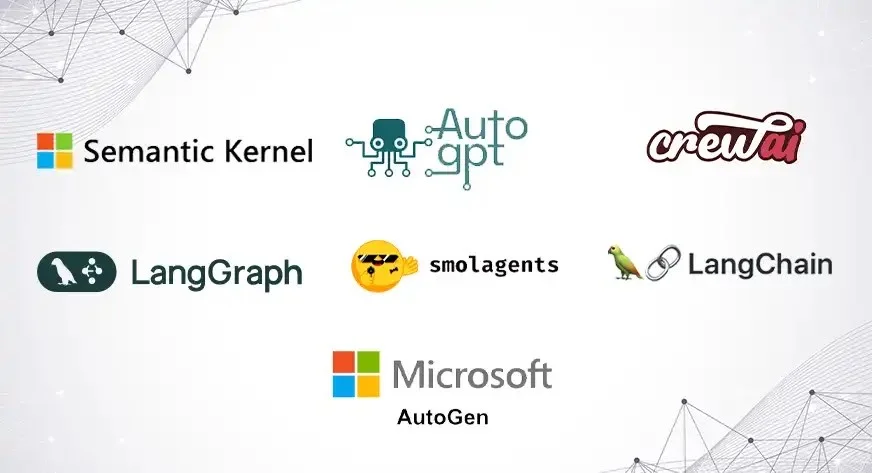
You might have heard of tools like CrewAI, LangGraph, or Microsoft AutoGen. Maybe you’ve seen viral videos of AutoGPT trying to “order a pizza” or Devin (the world’s first AI software engineer) fixing bugs autonomously. These are all frameworks used for building AI Agents.
These frameworks are not interchangeable. The choice depends on whether you need structured workflows, collaboration between agents, or experimental autonomy.
Applications of Agentic AI
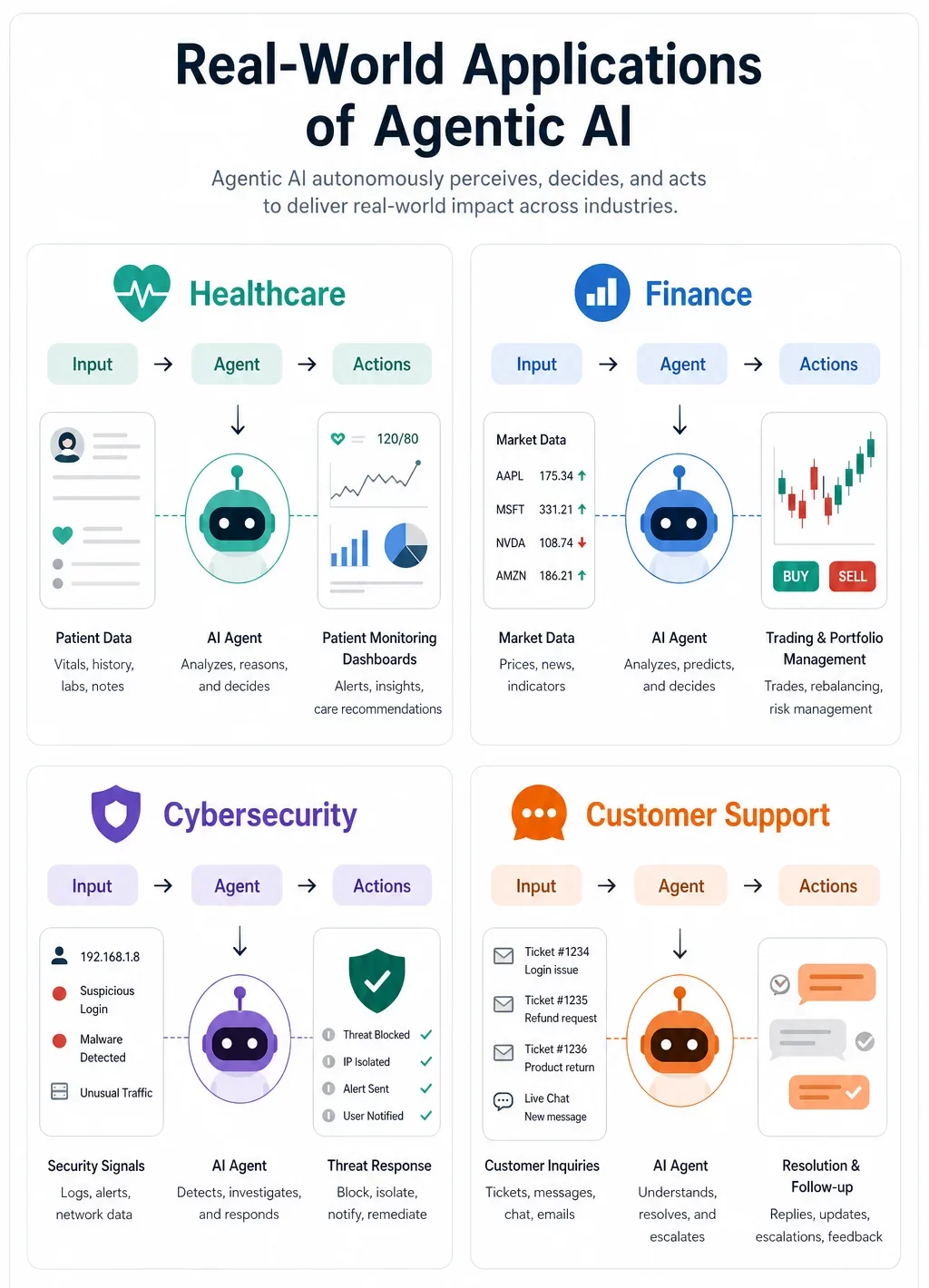
Agentic AI shows up wherever tasks require multiple steps, decisions, and feedback loops:
- Healthcare: Monitoring patient vitals, updating risk scores, and adjusting treatment recommendations in real time.
- Finance: Tracking market signals, executing trades, and adapting strategies based on performance.
- Cybersecurity: Detecting anomalies, investigating threats, and triggering automated responses across systems.
- Customer Support: Handling end-to-end workflows like ticket routing, resolution, escalation, and follow-ups.
Challenges and Risks
While agentic AI brings tremendous value, there are significant risks:
- Unintended Behaviors: Poorly designed reward functions can lead to unintended outcomes, like an agent exploiting loopholes.
- Complexity: Managing and coordinating multiple agents can lead to bottlenecks, traffic jams, or failures in complex systems.
- Lack of Transparency: The more autonomy an AI has, the harder it becomes to predict or explain its actions.
Getting Started with Agentic AI
Now that you have a solid understanding of what Agentic AI is, the next question is where to begin?
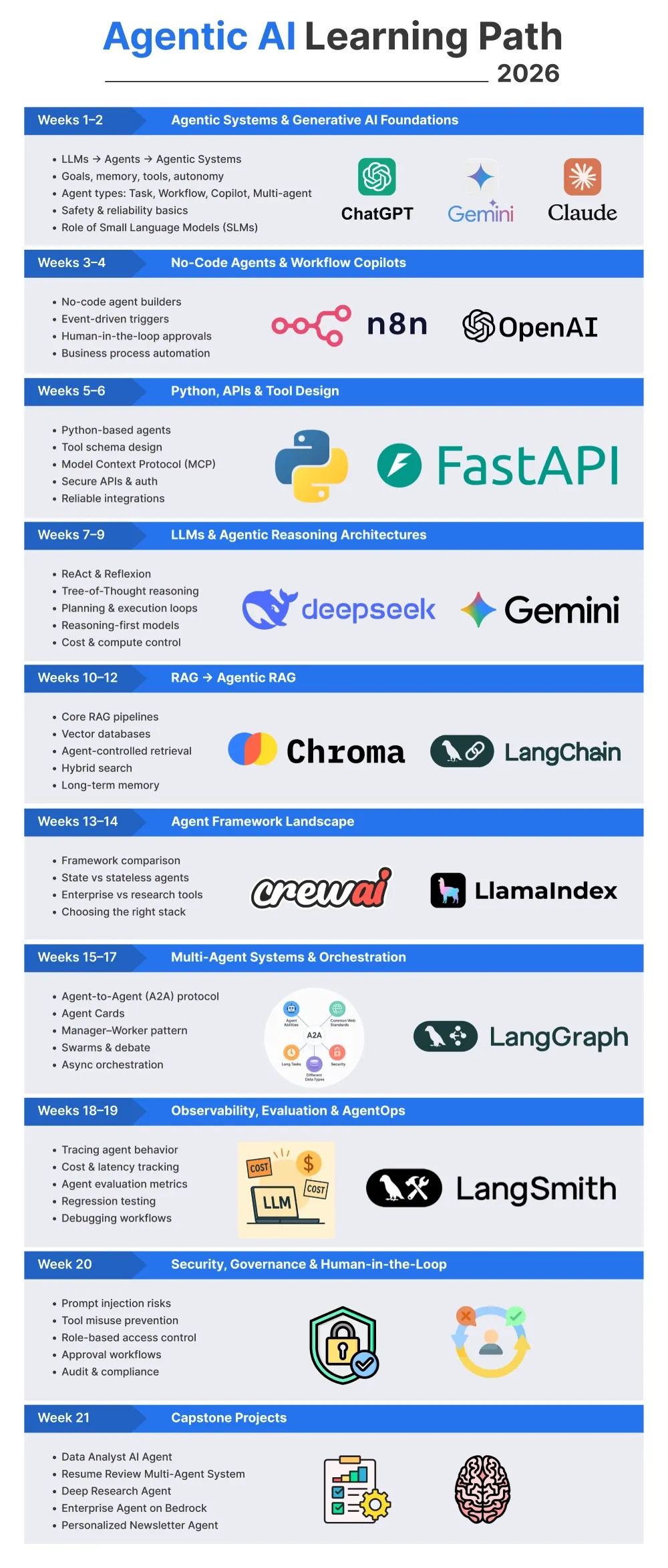
There isn’t a single course or fixed framework that makes you proficient in building agentic systems. Instead, it’s about following a structured learning path and gradually building intuition around how agents perceive, decide, and act.
A good starting point is this learning path for Agentic AI, which walks through the core concepts, tools, and progression you need to get hands-on with agent-based systems.
If you’re more interested in the ecosystem itself, especially the tools and frameworks powering these systems, take a look at this guide to AI agent frameworks to understand what’s out there and how to choose the right stack.
Now that you are equipped with both the knowledge of Agentic AI as well as the learning resources for it, all that’s left is for you to begin your journey. Good luck!
Frequently Asked Questions
Q1. What is Agentic AI?
A. Agentic AI is an autonomous AI system that can plan, execute, and adapt actions to achieve a specific goal with minimal supervision, unlike traditional AI which only responds to prompts.
Q2. How is Agentic AI different from traditional AI?
A. Traditional AI provides answers to queries, while Agentic AI manages tasks end-to-end by breaking them into steps, making decisions, and adjusting actions based on changing conditions.
Q3. How does Agentic AI work?
A. Agentic AI works through stages like perception, reasoning, goal setting, decision-making, execution, and adaptation to complete multi-step tasks efficiently and autonomously.
Studying, evaluating, and explaining AI systems for over 6 years.
“𝘖𝘯𝘤𝘦 𝘮𝘦𝘯 𝘵𝘶𝘳𝘯𝘦𝘥 𝘵𝘩𝘦𝘪𝘳 𝘵𝘩𝘪𝘯𝘬𝘪𝘯𝘨 𝘰𝘷𝘦𝘳 𝘵𝘰 𝘮𝘢𝘤𝘩𝘪𝘯𝘦𝘴 𝘪𝘯 𝘵𝘩𝘦 𝘩𝘰𝘱𝘦 𝘵𝘩𝘢𝘵 𝘵𝘩𝘪𝘴 𝘸𝘰𝘶𝘭𝘥 𝘴𝘦𝘵 𝘵𝘩𝘦𝘮 𝘧𝘳𝘦𝘦. 𝘉𝘶𝘵 𝘵𝘩𝘢𝘵 𝘰𝘯𝘭𝘺 𝘱𝘦𝘳𝘮𝘪𝘵𝘵𝘦𝘥 𝘰𝘵𝘩𝘦𝘳 𝘮𝘦𝘯 𝘸𝘪𝘵𝘩 𝘮𝘢𝘤𝘩𝘪𝘯𝘦𝘴 𝘵𝘰 𝘦𝘯𝘴𝘭𝘢𝘷𝘦 𝘵𝘩𝘦𝘮.” — 𝖥𝗋𝖺𝗇𝗄 𝖧𝖾𝗋𝖻𝖾𝗋𝗍, 𝖣𝗎𝗇𝖾