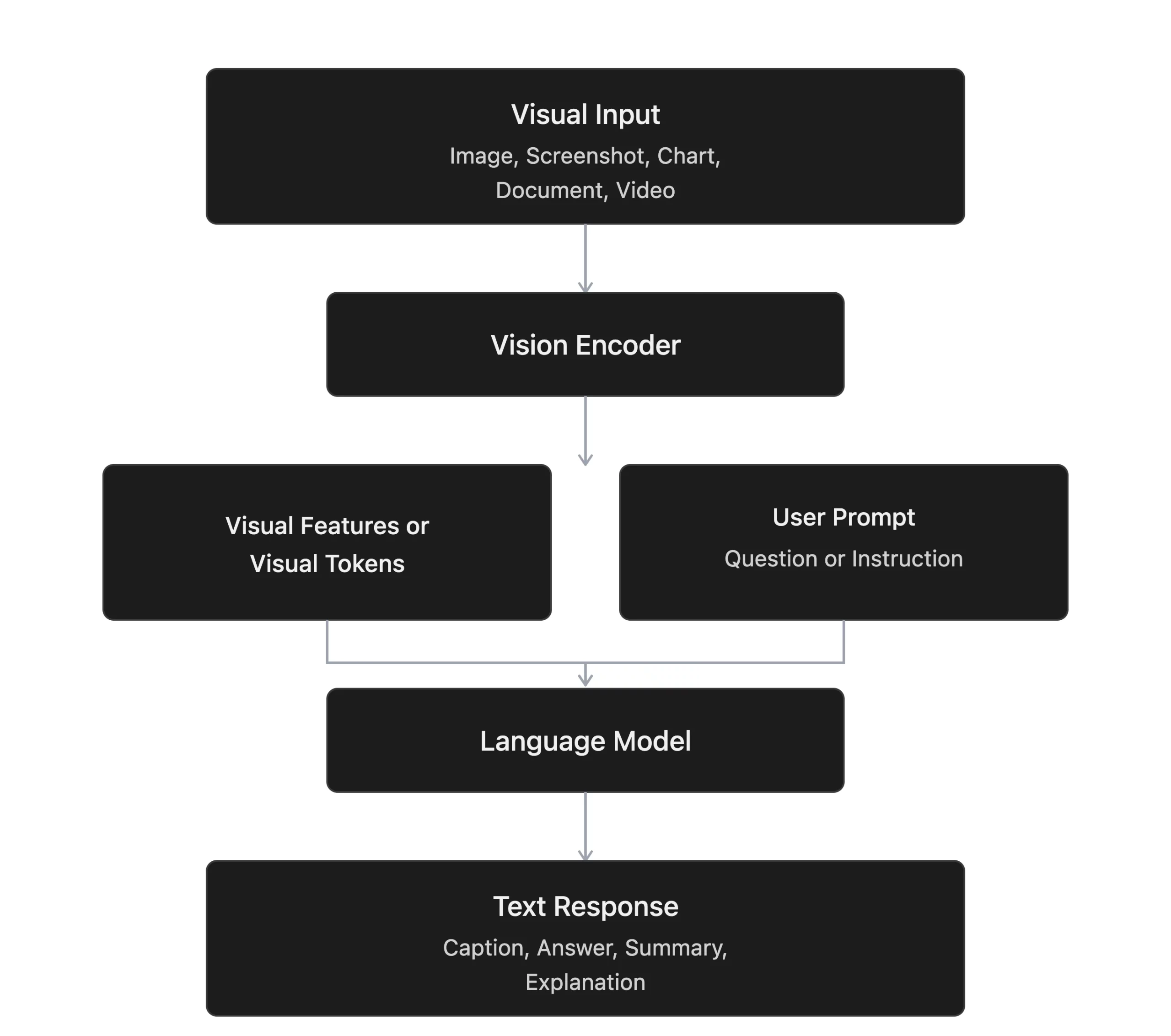
Vision Language Models, or VLMs, are AI models that can understand both visual content and language. While earlier models like CLIP and BLIP connected images with text, modern VLMs can analyze images, read documents, interpret charts, answer visual questions, and support multimodal conversations.
Models like GPT-4o, Gemini, Claude Vision, and Qwen-VL are making visual AI more practical for real-world tasks across education, business, healthcare, automation, and accessibility. In this article, we will explore how modern VLMs work, why they matter, and how the best VLMs today are comparable.
Table of contents
What Are Modern Vision Language Models?
Modern Vision Language Models are AI systems that can understand images and language together. They do not just detect objects in an image. They can also explain what is happening, answer questions, read visible text, understand layouts, compare details, and reason over visual information.
These models usually combine a vision system with a large language model. The vision system converts an image into useful visual features. The language model then uses those features along with the user’s prompt to generate a response.
Modern VLMs are useful because they can work with many types of visual inputs, such as photos, screenshots, scanned documents, charts, diagrams, and sometimes videos. This makes them much more practical than older image-only AI models.
From CLIP and BLIP to Modern VLMs
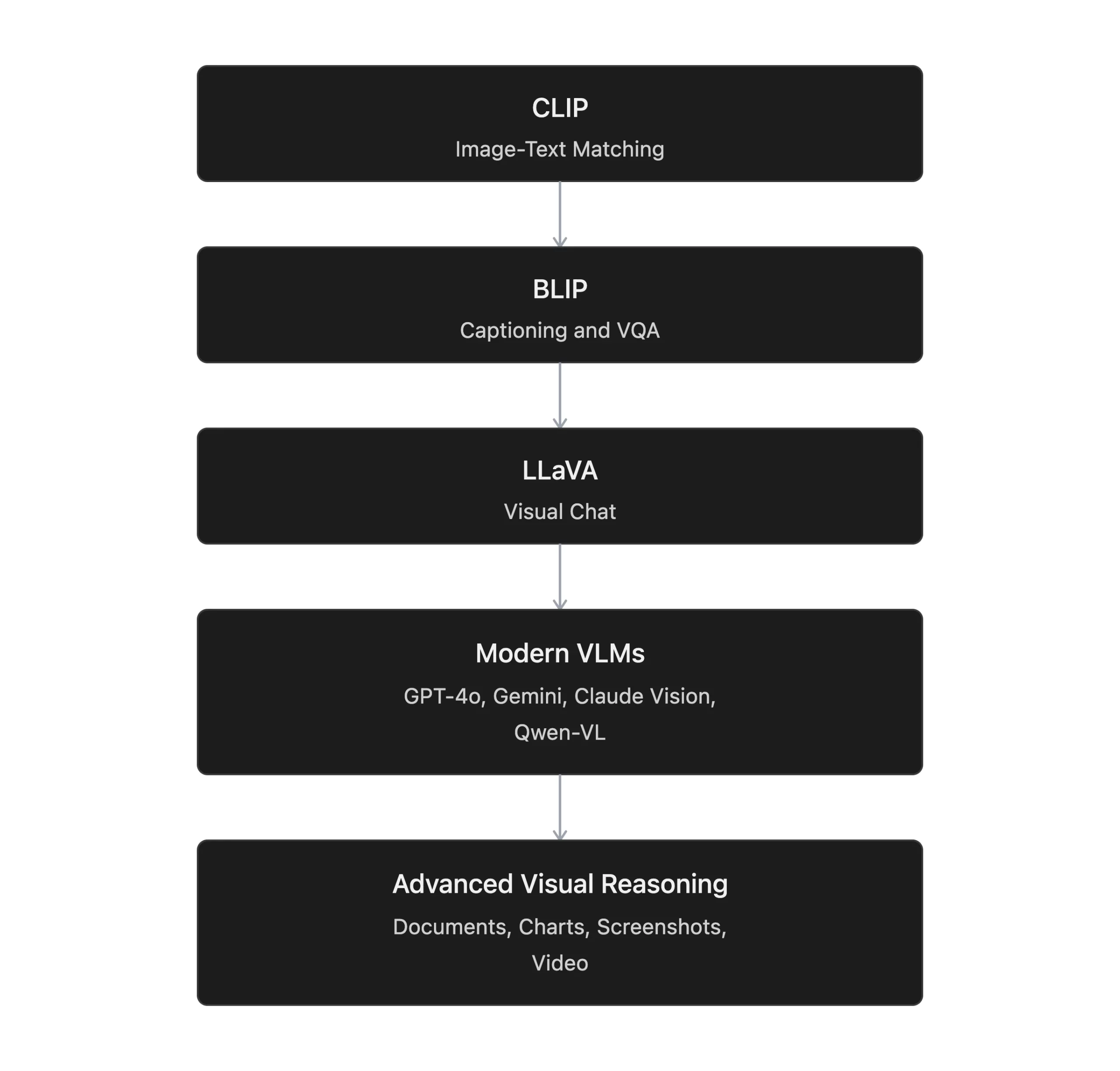
CLIP and BLIP were important for early Vision Language Models. CLIP showed that images and text could be matched in a shared space, making it useful for image search and zero-shot classification. BLIP improved this by supporting image captioning and visual question answering.
However, modern VLMs go beyond simple matching and captioning. They can follow instructions, hold conversations, analyze documents, understand charts, read screenshots, and reason over visual details.
This shift changed VLMs from image-text models into multimodal assistants. Instead of only identifying what is in an image, they can explain what it means and help users act based on it.
How GPT-4o Works
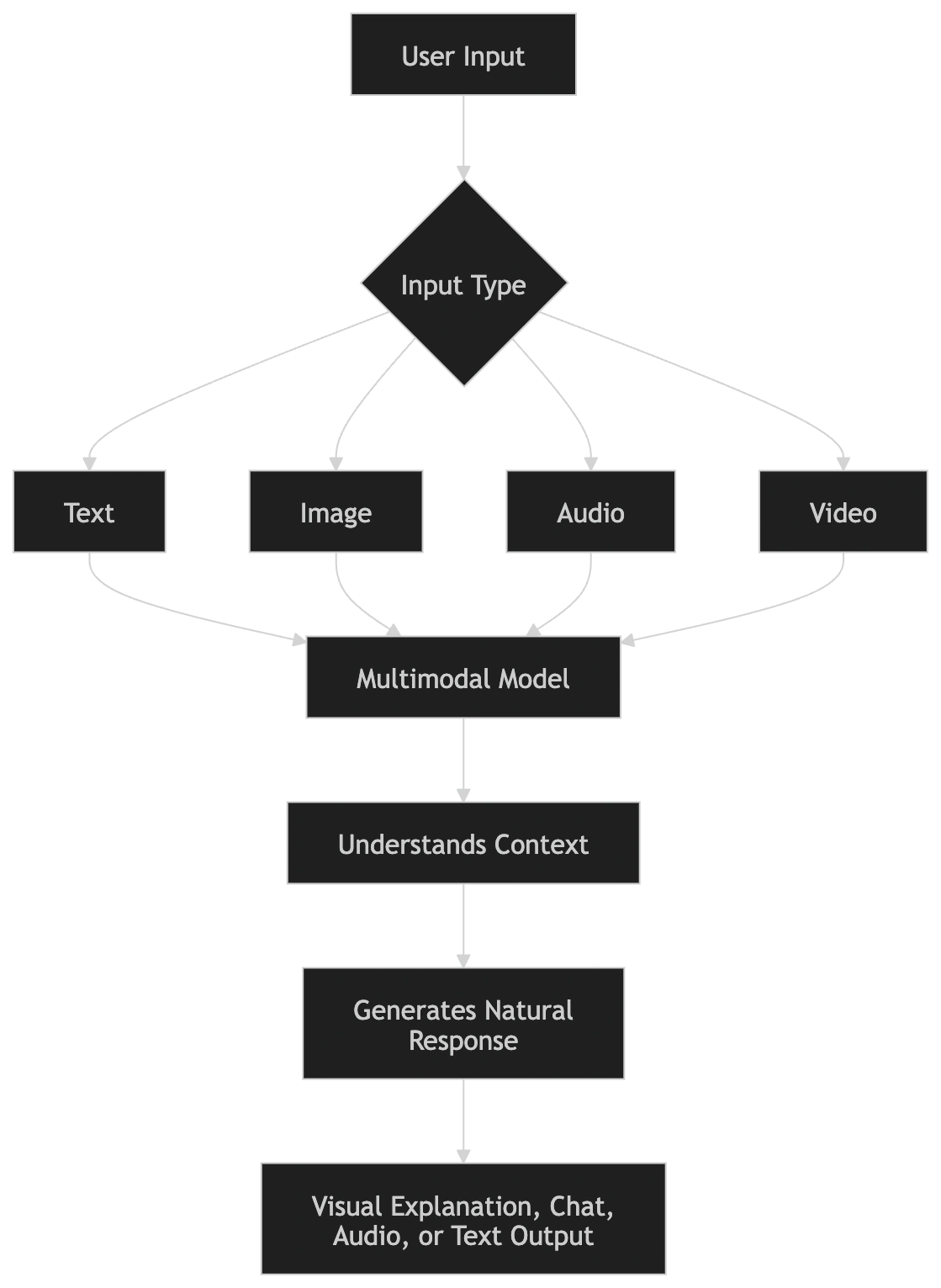
GPT-4o is a modern multimodal model that can work with text, images, audio, and video. For vision tasks, it can take an image as input, understand the visual content, and respond using natural language.
When a user uploads an image and asks a question, GPT-4o analyzes the image, connects the visual details with the prompt, and generates an answer. This allows it to describe images, explain screenshots, read visible text, compare objects, and reason over visual information.
Its biggest strength is real-time multimodal interaction. Instead of treating text, vision, and audio as separate experiences, GPT-4o brings them closer together in one assistant-like system.
How Gemini Works
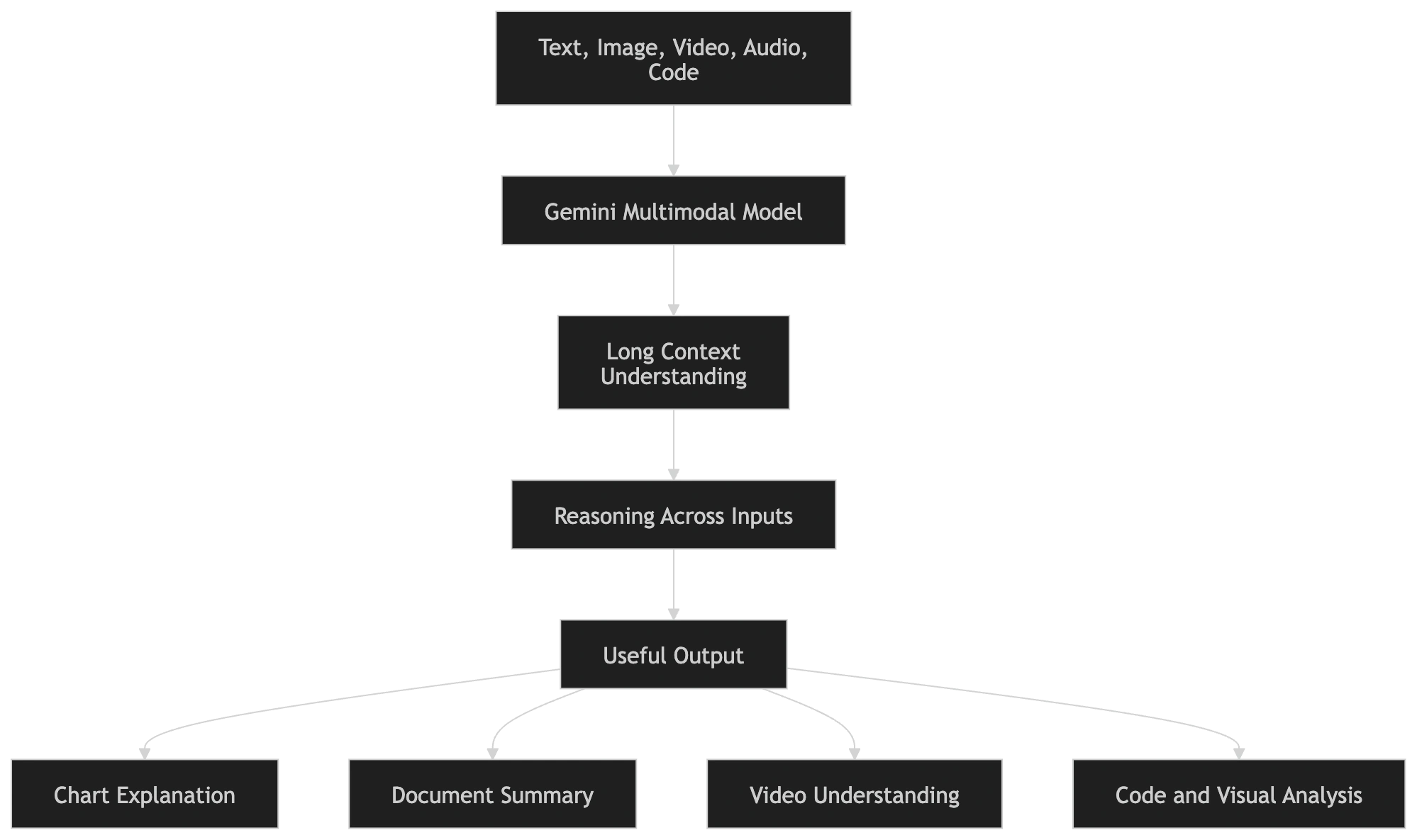
Gemini is Google’s family of multimodal AI models. It is designed to understand different types of input, including text, images, audio, video, and code. For vision tasks, Gemini can analyze an image or video, connect it with the user’s question, and generate a useful answer.
Gemini’s strength is its ability to combine visual understanding with reasoning. This means it can do more than describe an image. It can compare details, explain charts, understand screenshots, summarize visual content, and reason across long documents or videos.
Modern Gemini models are especially useful when the task needs both multimodal understanding and step-by-step reasoning, such as analyzing a presentation, reviewing a chart, or understanding a long visual document.
How Claude Vision Works
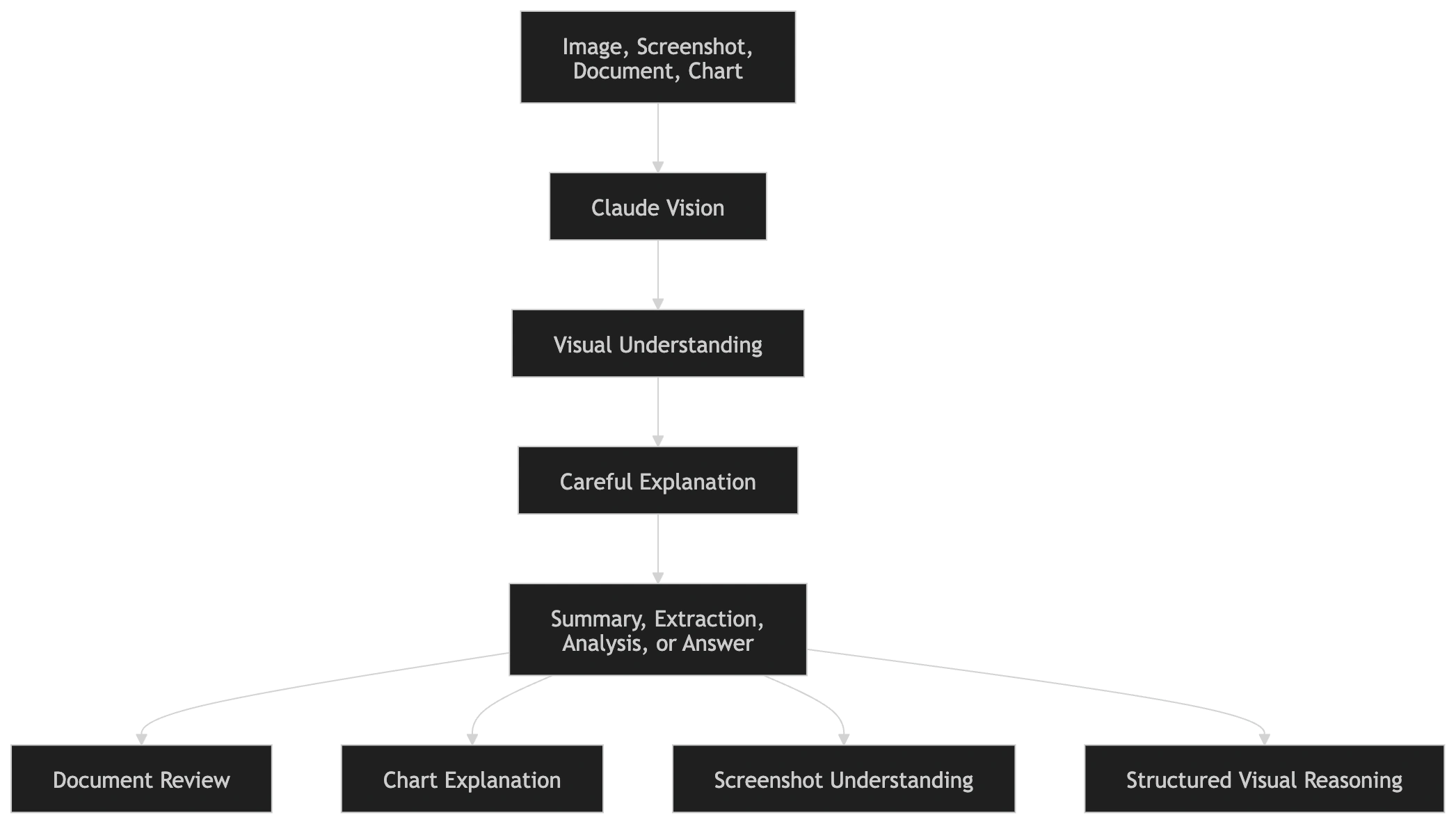
Claude Vision is designed to help users understand and analyze visual content through natural language. It can take images as input and respond to questions about what the image shows.
For example, Claude can analyze screenshots, documents, charts, tables, product images, and diagrams. It can summarize visual information, explain patterns, extract details, and help users understand complex visual material.
Claude Vision is especially useful for careful analysis and document-heavy workflows. Its strength is not just describing an image, but explaining the visual content in a clear and structured way.
How Qwen-VL Works
Qwen-VL is Alibaba’s Vision Language Model family. Newer versions like Qwen2.5-VL and Qwen3-VL are built for more advanced visual understanding, not just basic image description.
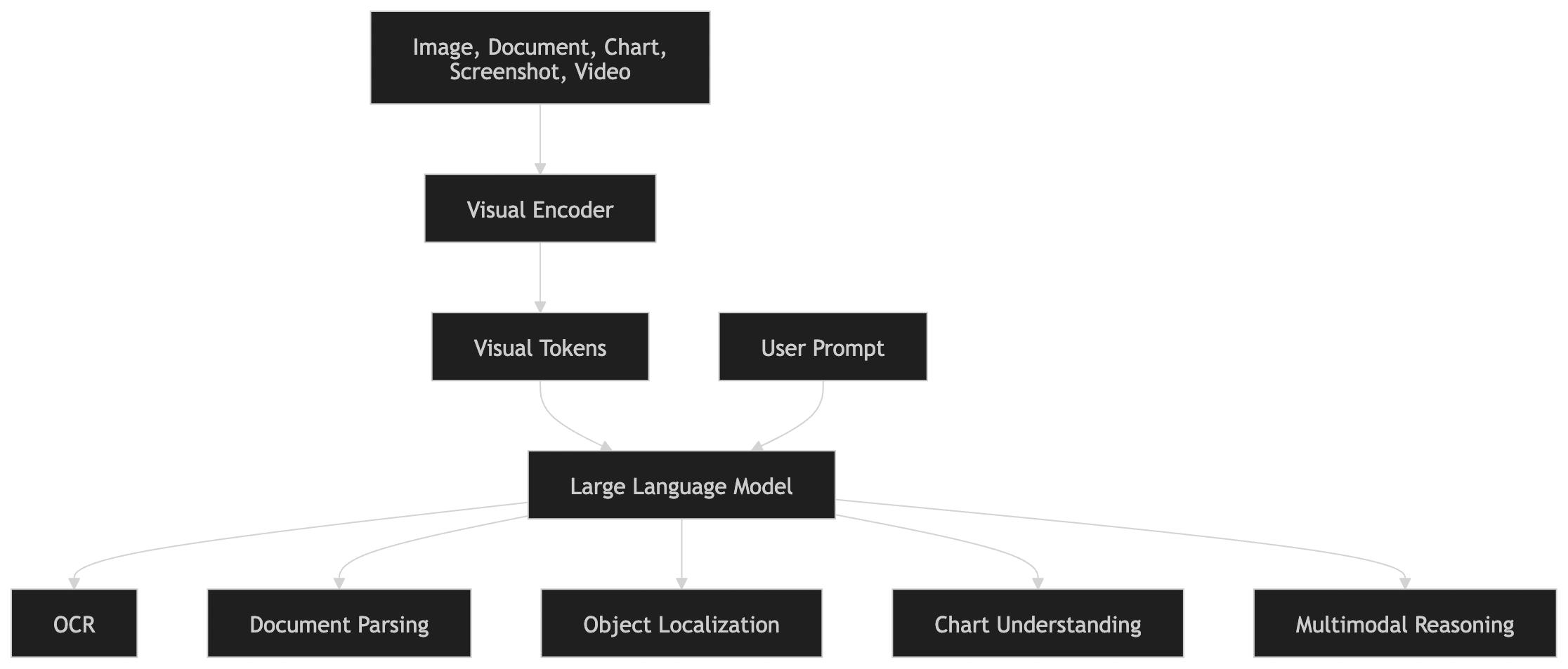
Qwen-VL can analyze images, documents, charts, screenshots, and videos. It is especially strong at reading text from images, understanding layouts, locating objects, and reasoning over visual details. This makes it useful for OCR, document parsing, chart understanding, visual search, and multimodal agents.
The model works by converting visual inputs into visual tokens and passing them into a large language model. The language model then combines the visual tokens with the user’s prompt to generate a useful answer.
Key Differences Between Modern VLMs
Here are the main differences between these VLMs summarised:
| Vision Language Model | Key Strength | Best Used For |
|---|---|---|
| GPT-4o | Real-time multimodal interaction across text, images, audio, and video | Assistant-like experiences where users need fast, natural, and interactive responses |
| Gemini | Strong reasoning across different types of information | Long documents, videos, code, charts, and detailed analysis |
| Claude Vision | Careful visual understanding and clear explanation | Reading screenshots, reviewing documents, explaining charts, and summarizing visual content |
| Qwen-VL | OCR, document parsing, object localization, and structured visual understanding | Extracting detailed information from images, documents, charts, screenshots, and visual inputs |
Strengths and limitations of Modern VLMs
| Strengths of Modern VLMs | Limitations of Modern VLMs |
| Understand visual content and explain it in natural language. | Can miss small visual details or misunderstand unclear images. |
| Easier to use than older computer vision systems that only gave fixed labels or scores. | May give confident answers that are not fully correct. |
| Can describe images, answer visual questions, read screenshots, explain charts, summarize documents, and support multimodal chat. | Can struggle with crowded images, complex charts, low-quality scans, handwritten text, and missing context. |
| Useful for real-world work where text and visuals need to be analyzed together. | In sensitive areas like healthcare, finance, law, and security, outputs need human review. |
| Helps users understand complex information faster. | Large VLMs require strong computing power. |
| Reduces manual document review. | Processing many images, videos, or long documents can become costly. |
Conclusion
Modern Vision Language Models are a major step forward because they can understand both visuals and language. Unlike earlier models like CLIP and BLIP, newer models such as GPT-4o, Gemini, Claude Vision, and Qwen-VL can analyze images, documents, charts, and visual questions.
They are useful across education, business, healthcare, e-commerce, accessibility, and automation. Still, they need careful use because they can miss details or misunderstand complex visuals. As they improve, VLMs will become more important in how AI sees, reasons, and supports visual work
Frequently Asked Questions
Q1. What are modern Vision Language Models?
A. Modern Vision Language Models understand images and text together. They can describe visuals, read documents, explain charts, answer visual questions, and reason over visual information.
Q2. How are modern VLMs different from CLIP and BLIP?
A. CLIP and BLIP mainly matched images with text or generated captions. Modern VLMs go further by following instructions, analyzing documents, understanding screenshots, and supporting conversations.
Q3. What are the main limitations of modern VLMs?
A. Modern VLMs can miss small details, misunderstand unclear images, or give confident but incorrect answers. They also struggle with complex charts, poor scans, and sensitive use cases.
Hi, I am Janvi, a passionate data science enthusiast currently working at Analytics Vidhya. My journey into the world of data began with a deep curiosity about how we can extract meaningful insights from complex datasets.