
In today’s dynamic business environment, a company’s approach to customer experience can significantly impact its brand perception. One poor interaction, such as a missed delivery or an unhelpful agent, and the relationship often doesn’t recover. Industry data puts it into perspective: Nearly 32% of consumers abandon a brand after just one bad experience. The stakes are high, but is that the reality? Most companies still struggle to get it right.
That gap between intent and outcome is bigger than most realize. While 80% of businesses believe that they provide excellent experiences, only 8% of customers agree. It’s not a lack of effort; it’s a mismatch between the tools, the timing, and the human understanding that real service requires.
Table of contents
The Hidden Cost of Customer Frustration
Picture this: Bob, a longtime customer, orders a $1,000 dishwasher. It’s delayed. But when it does show up, it’s in a damaged condition. Naturally, he contacts support only to be put on hold, transferred, and eventually told to wait for an investigation. No one notices his tone of voice or the repeated follow-ups. In short, the system doesn’t catch that Bob is a few clicks away from cancelling his purchase.
Now multiply that by hundreds of thousands of customers.
What leads to these issues is the disconnect between operational and customer data. Operational systems might know the shipment is late, but they’re blind to Bob’s sentiments in real time. Support transcripts, call logs, and chat messages are full of clues, but the systems can’t connect the dots fast enough to matter.
And this drives up costs. Each time a customer calls back or escalates, it adds $8 to $15 per call, with complex cases costing even more. Every unresolved issue eats into trust and margins. Over time, the impact becomes hard to ignore.
Moving Beyond Guesswork: How We’re Using GML to Close the Gap
At Dentsu Global Services (DGS), we have adopted a different approach to solve this. While a lot of companies are running Generative AI (GenAI) pilots in isolated pockets, we stepped back and asked: what would it take to build a system that not only understands people but also learns from their behavior at scale?
That led us to what we now call Generative Machine Learning, or GML. It’s not a buzzword. It’s the backbone of a new way to make decisions that puts people first.
What Exactly Is GML?
Think of it like this. GenAI is great at understanding language. It can read a customer’s message, pick up on frustration, and even generate a helpful response. Machine learning (ML), on the other hand, excels at spotting patterns and predicting outcomes based on past behaviour. On their own, both are useful. But together? They’re powerful.
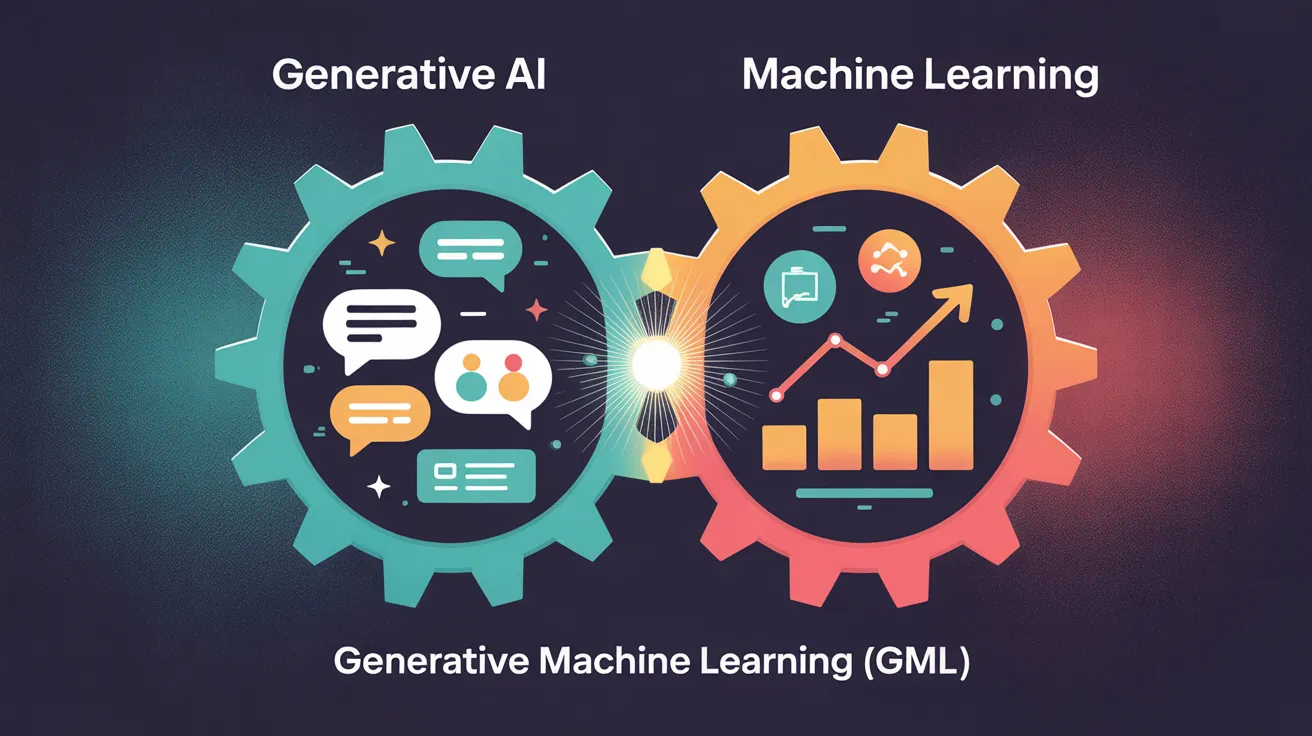
With GML, we’re combining these strengths into one system that can:
- Take in everything from shipping data to chat transcripts
- Spot signs of trouble early, before a customer gets upset
- Decide which issues need attention right now
- Trigger actions that feel personal, not robotic
It’s about having the right lens to see what’s really going on, and the muscle to do something about it, fast.
Hands-On: How GML Works in Practice
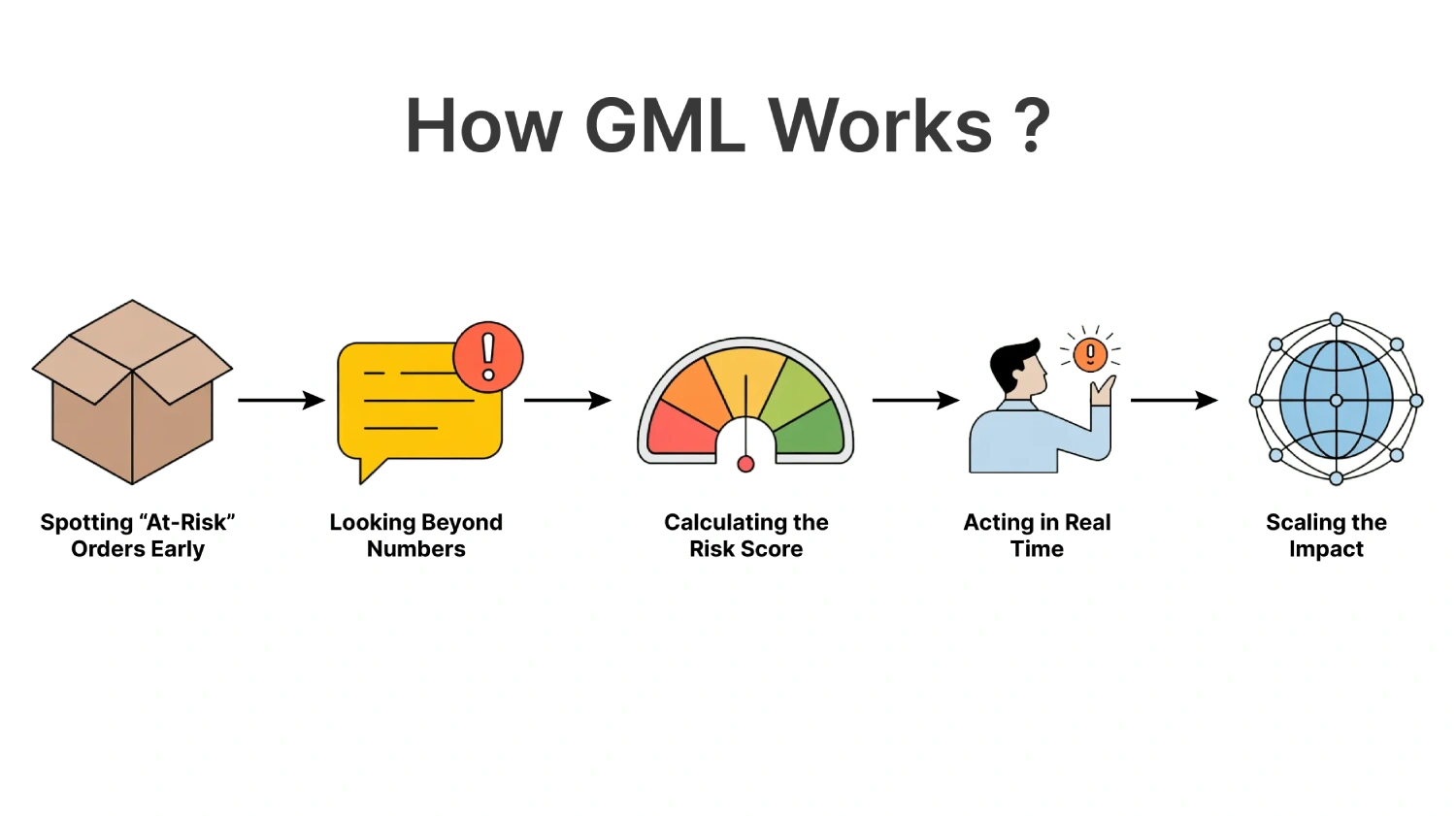
It helps to see how this plays out in the real world. Here’s what a typical use case looks like:
- Spotting “At-Risk” Orders Early: Instead of waiting for customers like Bob to complain about a late or damaged delivery, the system continuously scans both operational data (shipments, order notes, logistics updates) and conversational data (call transcripts, chat logs, IVR interactions, and agent notes). This wide-angle view makes it possible to flag the top 10% of “problematic” orders — the ones most likely to escalate.
- Looking Beyond Numbers: Once flagged, GML digs deeper into the conversations themselves. Large language models sift through customer messages, spotting risk markers — anything from subtle signs of frustration to explicit threats of escalation. It’s about surfacing the signals that would otherwise be lost in the noise.
- Calculating the Risk Score: Machine learning models blend those conversational cues with operational signals to assign each order a risk score. The result: a ranked list that tells agents exactly where to focus before issues snowball.
- Acting in Real Time: If Bob’s order shows both a late shipment flag and frustrated language in his chat history, the system doesn’t just log the issue — it nudges a support agent with the right action: maybe a goodwill discount, maybe a proactive replacement. The point is, intervention happens before escalation.
- Scaling the Impact: Because this process is automated, it extends across millions of interactions each year. What once required manual triage by overworked agents now happens seamlessly, freeing teams to spend their energy where it counts most.
What Held the Solution Together
Behind the scenes, two design choices made all the difference:
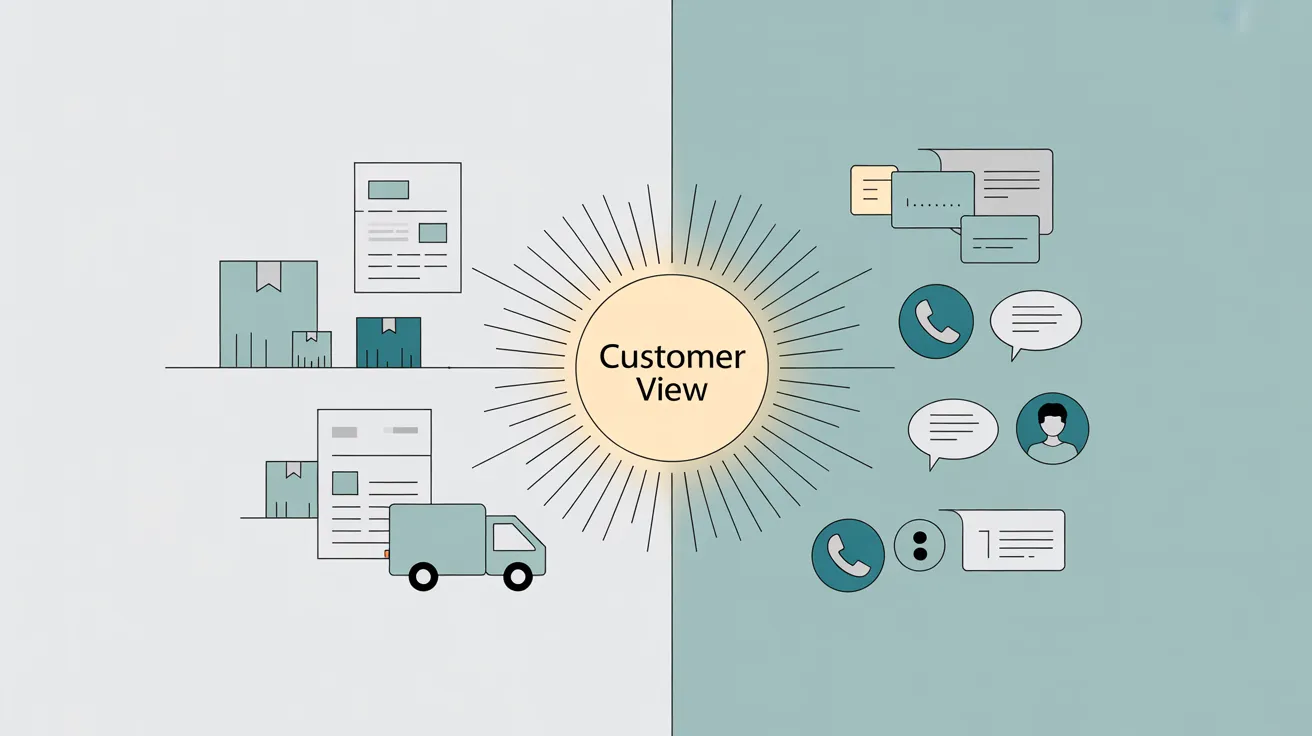
- A Unified View of the Customer: Instead of treating operational data and conversational data as separate silos, we built one model that sees both sides of the story. Order numbers and tracking details tell us what happened. Transcripts and agent notes reveal how it felt. When combined, they create a far more accurate picture of customer risk.
- A Decision Engine Built for Speed: Insight is only useful if it leads to action fast. That’s why the system was designed to evaluate risk in real time and surface clear next steps for agents. Instead of analysing sentiment after the fact, the engine learns continuously and helps teams respond in the moment, when a small gesture can save a relationship.
What Changed as a Result
Within just a few weeks of going live:
- Satisfaction jumped 22%
- Resolution times dropped by 80%
- The model is scaled to 40 million customer conversations annually
- On the financial side:
- $6 million in revenue saved from churn avoidance
- Half a million dollars in operational savings from reduced call volumes
These aren’t just vanity metrics. They point to a system that understands what matters most to customers and makes life easier for the people trying to serve them.
Making Real-Time Action Possible
The tech is only half the story. For GML to really work, the plumbing has to be right. That means:
- Data has to flow in real time
- Systems need to communicate effectively
- Responses have to be fast with no lags, no batch jobs, no waiting for someone to click “run”
We’ve seen too many good ideas get stuck in PowerPoint because the infrastructure wasn’t ready. GML demands readiness across the board, especially when the goal is to intervene before the complaint happens, not after.

Why GML Isn’t Just About AI, it’s About Intent
We’re not pitching GML as a silver bullet. It’s a shift in how we think about service. Instead of analysing what went wrong after the fact, we’re building systems that anticipate problems and give teams the tools to fix them, while there’s still time to make it right.
It’s scalable. It learns as it goes. And most importantly, it helps us treat customers less like support tickets and more like people with stories, frustrations, and expectations.
This article was developed with contributions from Pavak Biswal, Senior Manager at Dentsu Global Services.
Frequently Asked Questions
Q1. What is Generative Machine Learning (GML)?
A. GML combines Generative AI’s language understanding with Machine Learning’s predictive power to spot risks, personalize responses, and act in real time.
Q2. How does GML improve customer experience?
A. It scans operational and conversational data, flags at-risk orders, assigns risk scores, and nudges agents to act before issues escalate.
Q3. What were the results after implementing GML?
A. Satisfaction rose 22%, resolution times dropped 80%, and DGS saved $6 million in churn while cutting call costs by $500,000.
Q4. Why is a unified customer view important?
A. It merges operational data (shipments, orders) with conversational signals (chats, calls), giving a holistic picture that drives faster and more accurate interventions.
Q5. What infrastructure does GML need to work?
A. Real-time data flow, connected systems, and fast responses—no batch jobs or delays—so action happens before a complaint, not after.
Dentsu’s global capability center, Dentsu Global Services (DGS), is shaping the future as an innovation engine. DGS has 5,600+ experts that specialize in digital platforms, performance marketing, product engineering, data science, automation and AI, with media transformation at the core. DGS delivers AI-first, scalable solutions through dentsu’s network seamlessly integrating people, technology, and craft. They blend human creativity and advanced technology, building a diverse, future-focused organization that adapts quickly to client needs while ensuring reliability, collaboration and excellence in every engagement.
DGS brings together world-class talent, breakthrough technology and bold ideas to deliver impact at scale—for dentsu’s clients, its people and the world. It’s a future-focused, industry-leading workplace where talent meets opportunity. At DGS, employees can accelerate their career, collaborate with global teams and contribute to work that shapes the future. Find out more: Dentsu Global Services