I get the AI scare, and if I am being honest here, you should take it seriously too. The AI age is unfolding fast, and we are seeing automation enter just about every sector. Once it does, there is absolutely no argument that the entire dynamics of human roles will change. So, for most of the professionals, especially those working in fields like mine (content and marketing), better pull your socks up and adapt ASAP. For others, there might just be time before they get any whiff of AI in their roles. For those starting out and hoping to pick a field where AI cannot replace their jobs (at least not in 2026), this article should give you direction.
After carefully analysing several reports (and using common sense), I have come up with this list of sectors and related jobs that are just about impossible to replace with AI as per its current capabilities. Ideally, this list should:
- help freshers choose the right path if they wish to steer clear of AI
- help entrepreneurs assess critical areas of human workforce
- help executives with their hiring decisions
- help professionals in these fields know they are on their own (at least for now)
Here goes.
Table of contents
Note: This list is based on insights from McKinsey, PwC, World Economic Forum, Upwork, and the US Career Institute.
Healthcare Providers And Caregivers
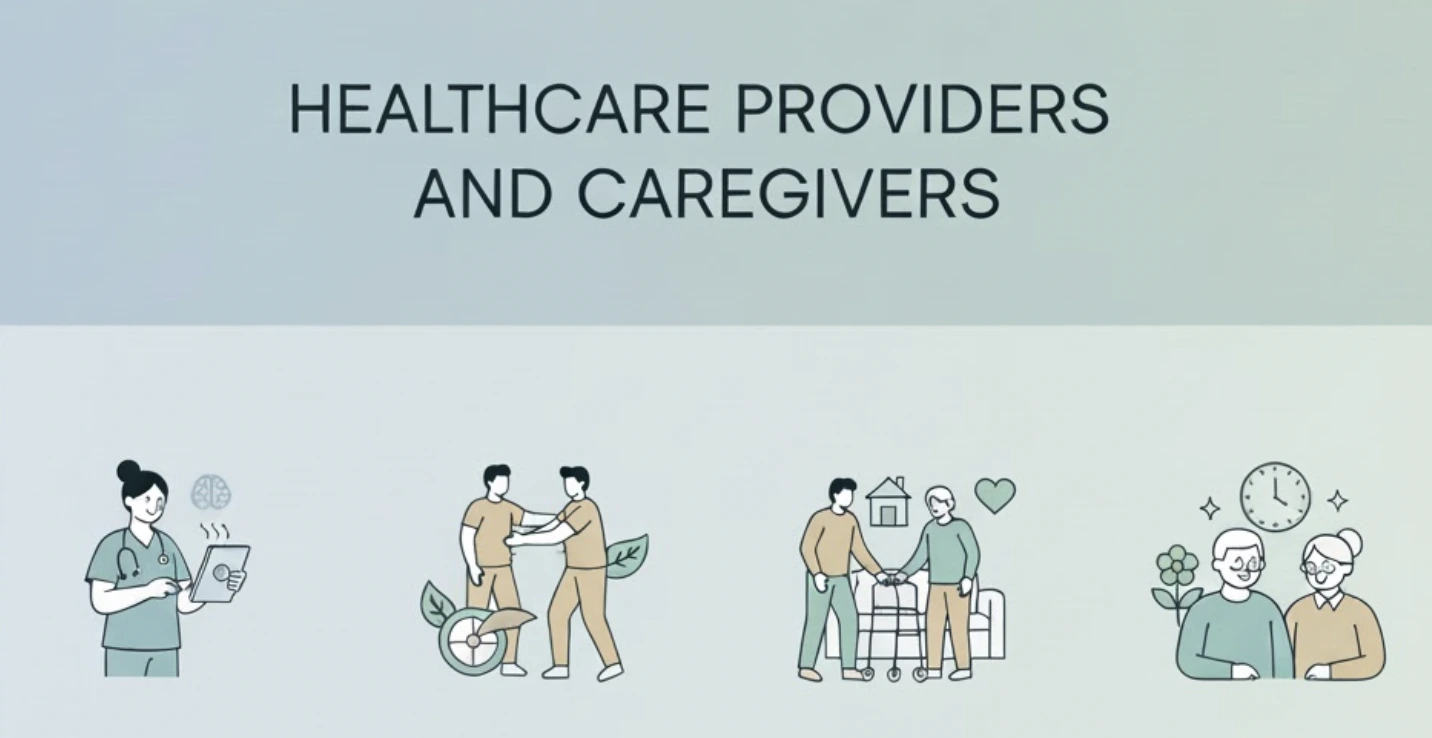
Job Examples: Nurse Practitioners, Mental Health Counsellors & Therapists, Physical & Occupational Therapists, Home Health Aides & Personal Care Aides, Geriatric Care Specialists
Healthcare looks automatable on paper. In reality, it isn’t. AI can analyse scans, summarise reports, and flag anomalies, but it cannot sit with a patient in pain. Healthcare work inherently demands empathy, trust, ethical judgment, and physical presence, and not just one or some of these, but all at once.
Mental health is the clearest example. Therapy depends on nuance, silence, emotional reading, and lived context. So simple prompts will never help as much as human interactions. Although people are increasingly finding replacement in their AI chats, the general consensus of experts is, don’t.
Similarly, caregiving roles involve unpredictable situations, real-time decisions, and accountability that no model can legally or morally own yet. Even in highly clinical roles, patients want reassurance through a human who listens, explains, and adapts. So, until AI can be held responsible for human life and understand human suffering beyond data, healthcare will remain human-led.
Artists and Creative Professionals
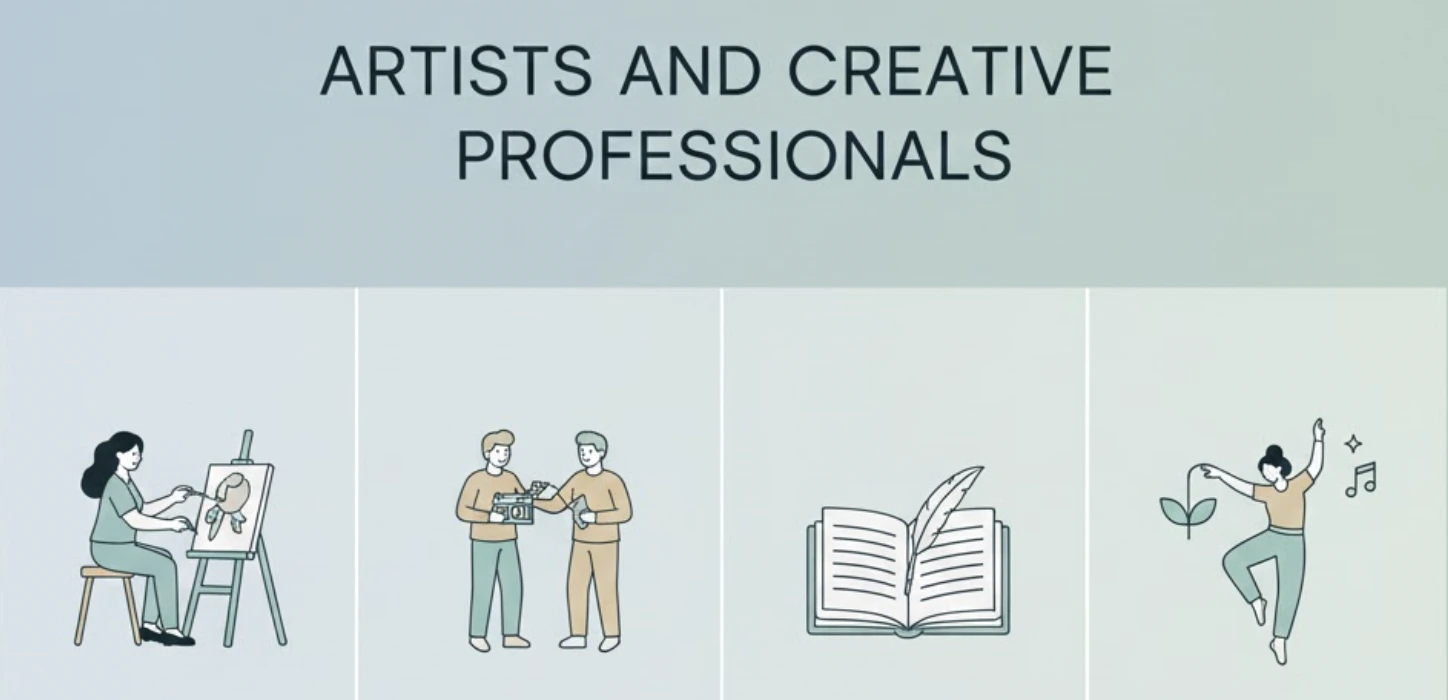
Job Examples: Visual Artists, Illustrators, Filmmakers, Directors, Writers, Storytellers, Choreographers, Brand Designers, Creative Directors, Musicians
Creative work is often the first thing people think AI has already replaced. That assumption is lazy. AI can generate images, write drafts, and remix existing styles, but it does not create with intent. It produces outputs, not meaning.
For instance, the sentence above was AI-written. Now I know I can write the entire article using this tone, rhythmic variation, syntax, and coherence, and nobody will bat an eye. But will you, my dear reader, have the same fun going through such a copy at length if I let ChatGPT take over my articles? Common courtesy says you have to shout “NO” here.
Case in point, true creativity will never be about producing content at scale. While AI draws from patterns, I, as any other creative professional, am driven by real human emotions, connections, and lived experiences. Now that is a world far away from AI reach for decades to come.
You apply the same principle to a high-stakes creative environment – Brand strategy, storytelling, film direction – and you know AI just won’t cut it. You need someone who understands people, not just data. So, at least for now, creativity remains a human advantage.
Construction and Maintenance
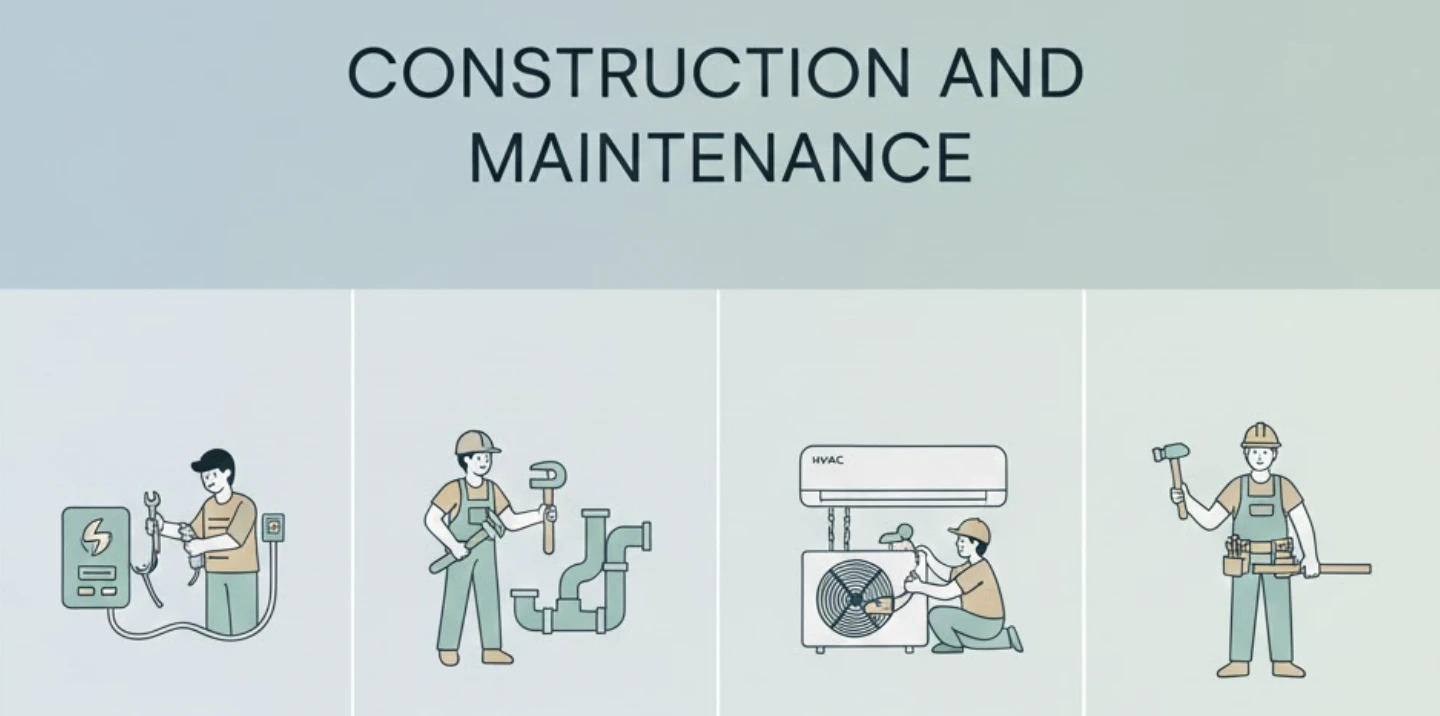
Job Examples: Electricians, Plumbers, HVAC Technicians, Carpenters, Construction Workers, Site Supervisors, Facility Maintenance Managers
Now this one is more of common sense than any report-driven data. Anyone who has ever stepped onto a real site will know that even if machines follow all the blueprints, lift loads, and repeat tasks, in practice, nothing on-site behaves the way it does on paper. Walls are uneven. Wiring is messy. Pipes do not line up. And suddenly, the “perfect plan” needs fixing.
AI struggles the moment the environment stops being predictable. Construction and maintenance jobs demand physical dexterity, spatial judgement, and real-time problem-solving in constantly changing conditions. No dataset prepares you for a half-built structure, unexpected leaks, or last-minute design changes.
More importantly, these roles carry immediate consequences. A wrong connection is not a bug but a safety hazard. Hence, construction remains deeply human and AI can’t replace its jobs, at least for now.
C-Suite / Entrepreneurs
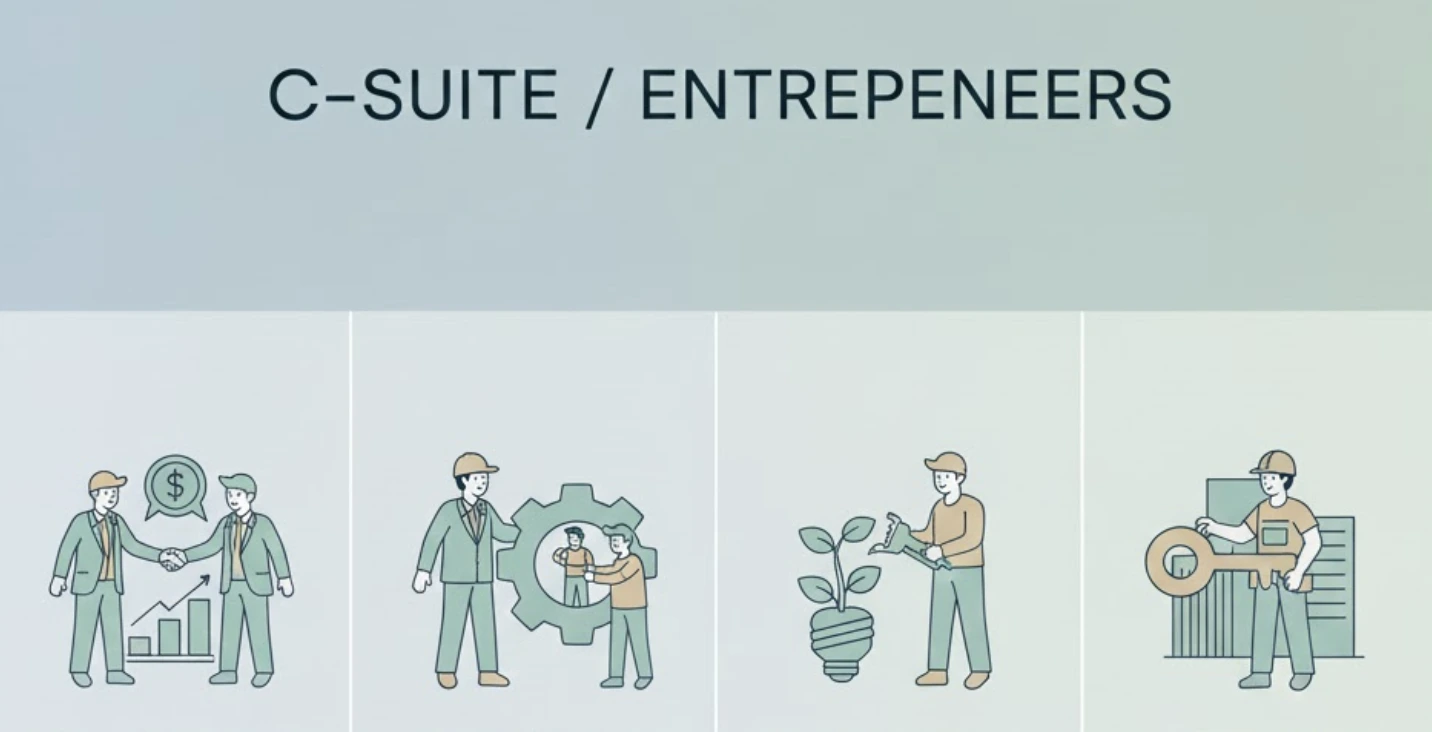
Job Examples: CEOs, Founders, COOs, CFOs, Startup Entrepreneurs, Business Owners
Ever watched Shark Tank? Imagine an AI as a Founder & CEO presenting the concept to Anupam Mittal or Kevin O’Leary. Doesn’t quite click, right? These gentlemen will fry its imaginary circuits with their cross-questioning in no time.
So, even if AI hype sounds the loudest in leadership – strategy decks being generated in seconds, financial models built instantly, board-level summaries auto-written – know that leadership has never been about producing documents. It was and always will be about making decisions when information is incomplete and outcomes are uncertain.
AI can analyse scenarios and simulate outcomes for businesses. What it cannot do is make a decision. Someone still has to take the risk, face employees, investors, and customers when things go wrong. That burden does not scale to a model. The ambiguity that exists with entrepreneurship by default is no AI’s cup of tea. Not now, and most likely, not ever.
Teaching
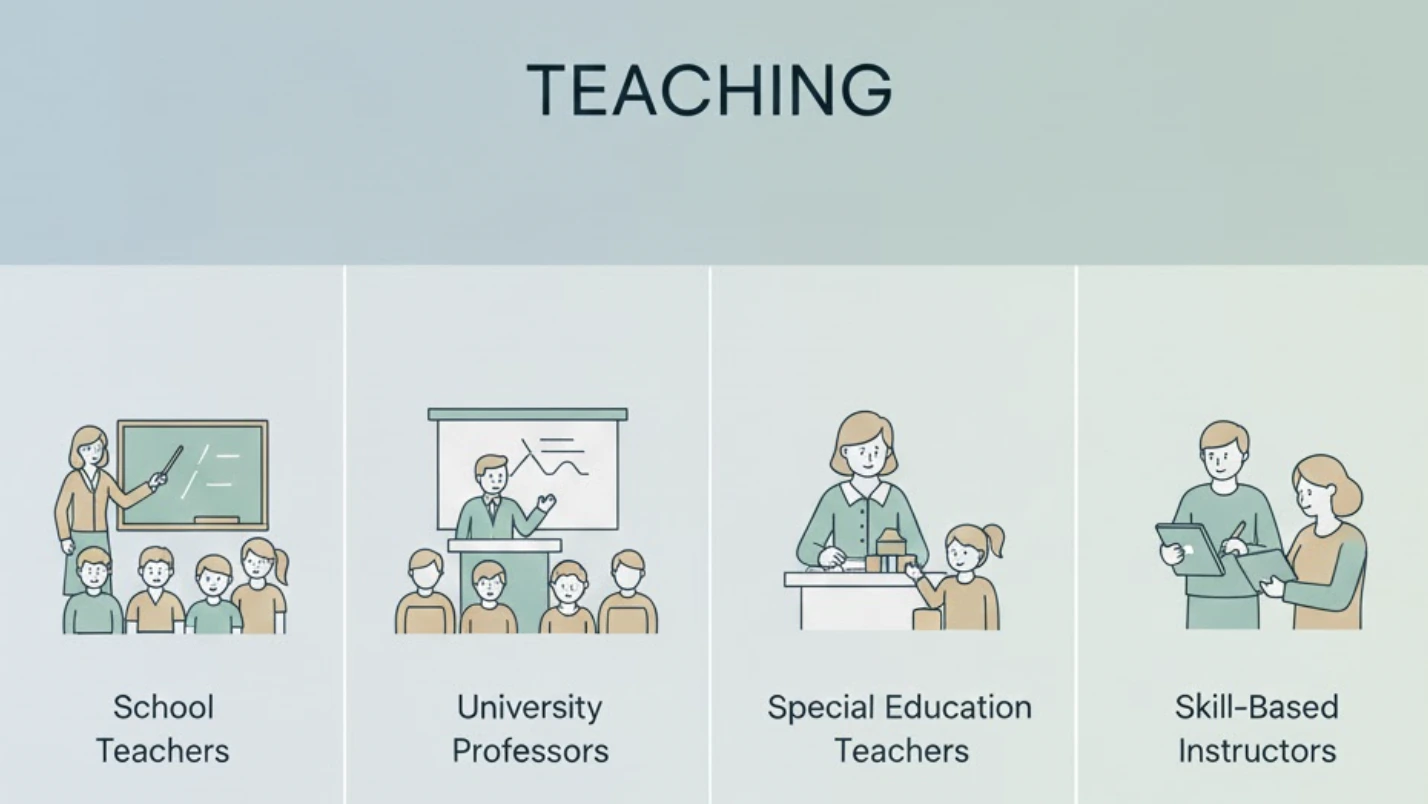
Job Examples: School Teachers, University Professors, Special Education Teachers, Skill-Based Instructors, Academic Mentors
Let’s be honest. Teaching looks like an information problem. Syllabus in – explanation out. If that were true, YouTube would have replaced teachers a decade ago. It didn’t. And that alone should tell you something.
AI can explain concepts, sometimes very well. But teaching is not explanation. It is calibration. A good teacher reads the room, knows when to slow down, when to push hard, when a student is confused, bored, anxious, or quietly lost. A transcript cannot capture that.
This becomes even more obvious in classrooms with younger students or functional needs learners. Attention spans vary, emotional states shift, and progress is uneven. Teaching adapts in real time, often instinctively.
Google has an elaborate plan of using AI for education in classrooms. But even though AI can assist education, personalise content, and automate assessments, it can’t entirely replace the jobs of human teachers who bring motivation, discipline, mentorship, and trust to their students.
Legal
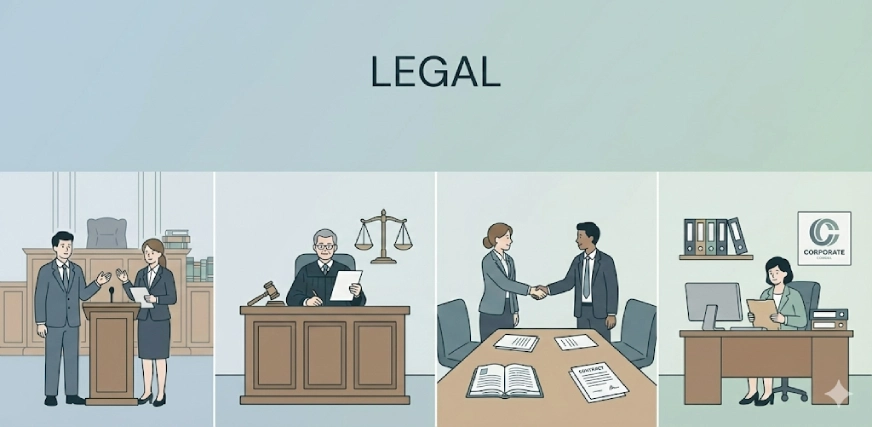
Job Examples: Trial Lawyers, Judges, Legal Negotiators, Compliance Officers, Corporate Counsels
Law looks deceptively logical. Rules, precedents, documents, and arguments. Feed it all into a system and let AI decide, right? Not quite. Because the law is not just about what is written but about how it is interpreted, argued, and applied to messy human situations.
AI can scan case law, summarise judgments, and draft contracts in minutes. Useful, no doubt. But legal work lives in the grey. Intent and context matter the most. So does persuasion and negotiation inside a courtroom – a deeply human connection.
Until AI can be held legally accountable for a verdict, a deal, or a regulatory failure, it can’t replace humans for legal jobs. Assistance is welcome. Replacement is not happening anytime soon.
Athletics and Sports
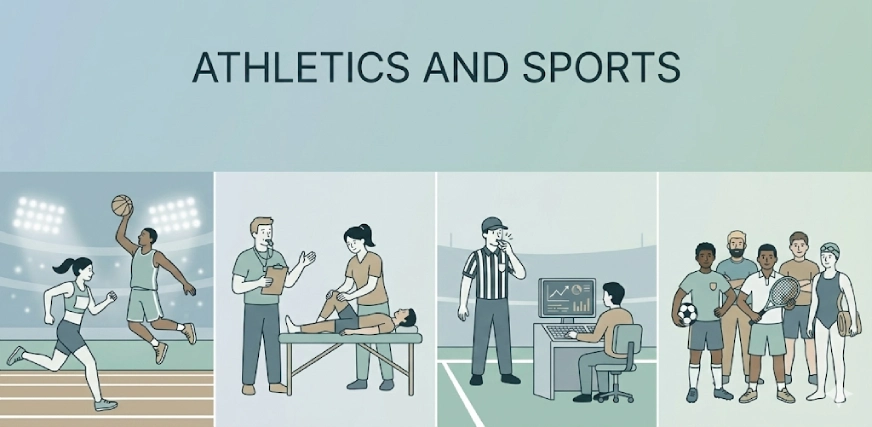
Job Examples: Professional Athletes, Coaches, Sports Trainers, Referees, Performance Analysts
This one should not even be a debate. Sport is the most human of competitions. Strength, speed, reflexes, endurance, and instinct. The high-octane, thrilling, deep-instilled human emotions at their very best, both in the performers and the audience.
AI can analyse gameplay, optimise training routines, and break down performance metrics frame by frame. In fact, it already does. But step onto the field and all of that becomes secondary. What matters then is execution under pressure, split-second decisions, muscle memory, mental toughness, and the will to give it all.
Even in officiating, context matters. A foul is not always just a foul. Momentum, intent, and game flow influence a judgment in ways data cannot fully capture. AI will make athletes better. It will make coaching smarter. But replacing human competition defeats the purpose of sport itself.
Public Service
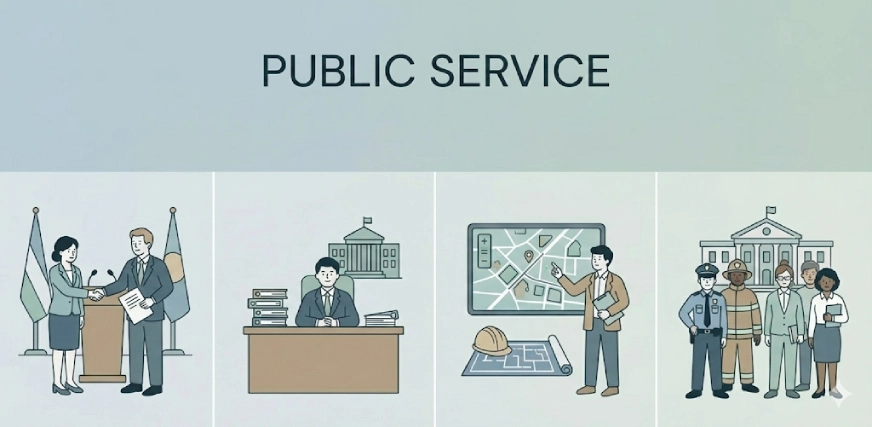
Job Examples: Policy Makers, Diplomats, Government Administrators, Urban Planners, Civil Servants
Public service is where your decisions potentially affect millions, sometimes for generations. On the surface, it looks procedural – rules, frameworks, policies, and protocols. But anyone who has worked even remotely close to governance knows how misleading that picture is.
AI can crunch data, model outcomes, and surface trends. Helpful, absolutely. But public decisions are rarely just technical. They are social, ethical, and political, where trade-offs are unavoidable. One policy helps one group and hurts another. Someone has to choose.
Diplomacy makes this even clearer. Negotiations are built on trust, nuance, timing, and reading the room. A misstep is not an error message but a geopolitical consequence.
Until AI can be held accountable to citizens, answer for long-term outcomes, and navigate human values at scale, it can’t replace humans in public service jobs.
Emergency Response
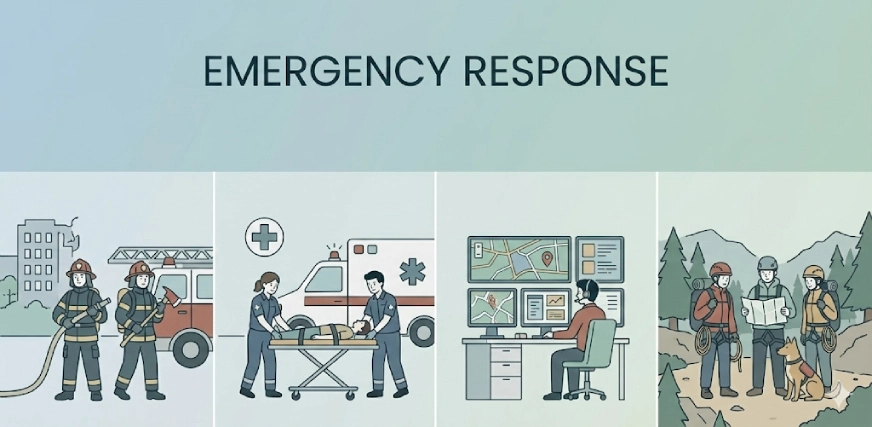
Job Examples: Firefighters, Paramedics, Emergency Medical Technicians, Disaster Response Coordinators, Search and Rescue Teams
Another no-brainer. Situations that are chaotic by default have absolutely no place for AI’s pattern-driven analysis and response. With zero room for delay and outcomes that can mean life or death, muscle memory and quick thinking achieved through years of emergency response training are all that matter.
AI can assist, of course, with routing, forecasting, and early warnings. It already does in some cases. But once boots hit the ground, theory collapses. Fires spread unpredictably. Buildings behave differently than models suggest. People panic. Conditions change every second.
Emergency responders rely on instinct sharpened by experience. They can improvise when plans fail, and they make moral decisions under pressure that no algorithm is trained to handle.
Until AI can operate reliably in chaos, take responsibility for irreversible outcomes, and act with human empathy in moments of crisis, emergency response will stay human. And rightly so.
Communication
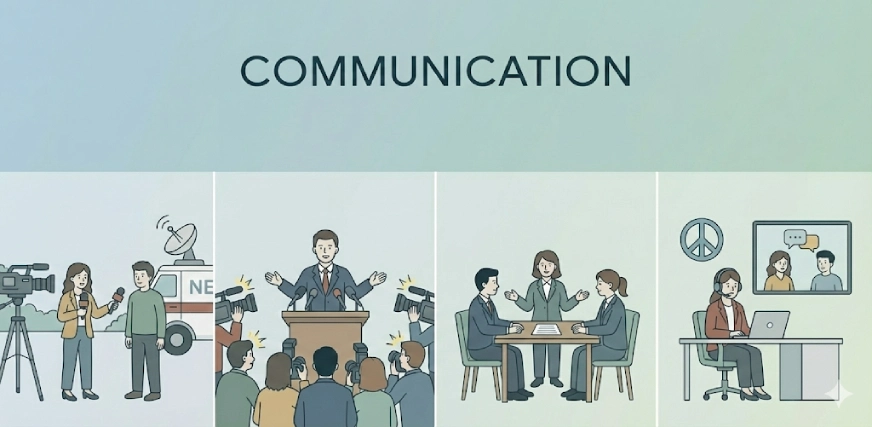
Job Examples: Journalists, Public Relations Professionals, Corporate Spokespersons, Negotiators, Mediators
Communication is one of AI’s strongest skills, and also one of its biggest traps. Generating language is not the same as communicating meaning. While it gets the words right, it may not get the intent that easily.
AI can draft press releases, summarise events, and generate responses at scale. All that is low-stakes work. But real, impactful communication lives in context, tone, timing, and knowing when to stay shut.
This becomes obvious in journalism, crisis communication, and negotiation. A single poorly framed sentence can change public perception or derail talks entirely. So while AI will continue to assist communication-heavy roles, the trust, credibility, and nuance will still sit with humans.
Culinary
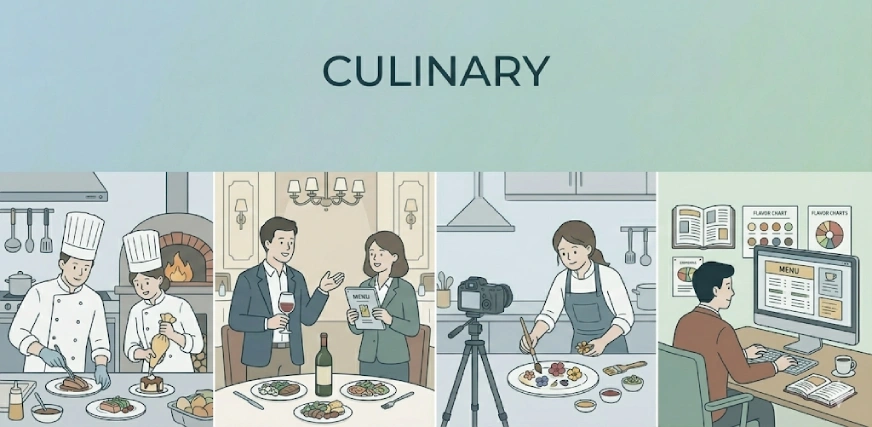
Job Examples: Chefs, Pastry Chefs, Culinary Artists, Restaurant Owners, Menu Curators
Slowly and steadily, AI is showing its use in the culinary arts. It can (and it does) suggest flavour pairings, optimise nutrition, and even generate recipes for people to follow. However, taste is a very subjective matter exclusive to humans.
A good chef will still have to adjust on the fly. Real-time micro-decisions around heat, ingredients, taste, texture, and urgency often define the culinary experience. And for these obvious reasons, kitchens will remain human spaces for now.
Technology
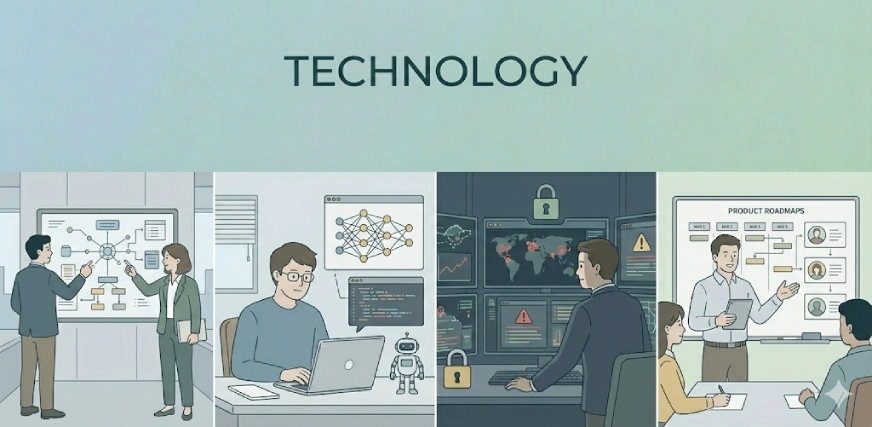
Job Examples: Software Architects, Systems Designers, AI Engineers, Cybersecurity Leaders, Technical Product Managers
This one surprises people. After all, AI is built by the tech industry itself. So, how can technology jobs be safe from AI? Simple. Because building tools is not the same as deciding what to build, why to build it, and how it fits into the real world.
AI can write code. Sometimes good code. But technology work is not just coding. It is system design, trade-offs, constraints, and long-term thinking. Decisions made at the architecture level can define a product for years. No autocomplete can take responsibility for that.
Cybersecurity makes this even clearer. As threats evolve, defenders rely on intuition, experience, and a deep understanding of incentives to be safe.
So, even though AI will accelerate development by reducing grunt work, strategic thinking, system ownership, and accountability will remain human problems. And that is exactly why core technology roles are not going anywhere.
Transportation
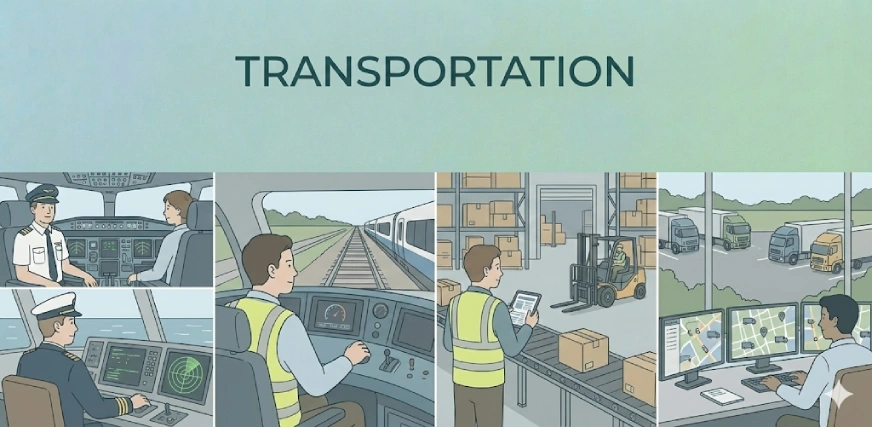
Job Examples: Commercial Pilots, Ship Captains, Train Operators, Logistics Supervisors, Fleet Managers
Transportation is often cited as the next big AI takeover story. Self-driving cars. Autonomous ships. Pilotless flights. The demos look impressive. Though the reality is much slower, messier, and far more regulated.
AI can assist with navigation, route optimisation, and predictive maintenance. But transportation extends beyond moving from point A to point B. It involves safety, accountability, and decision-making at its core.
So, until AI can be trusted with edge cases, legal liability, and real-world chaos at scale, it can’t replace human jobs from the driver’s seat. In this case, quite literally.
Farming / Fishing / Forestry
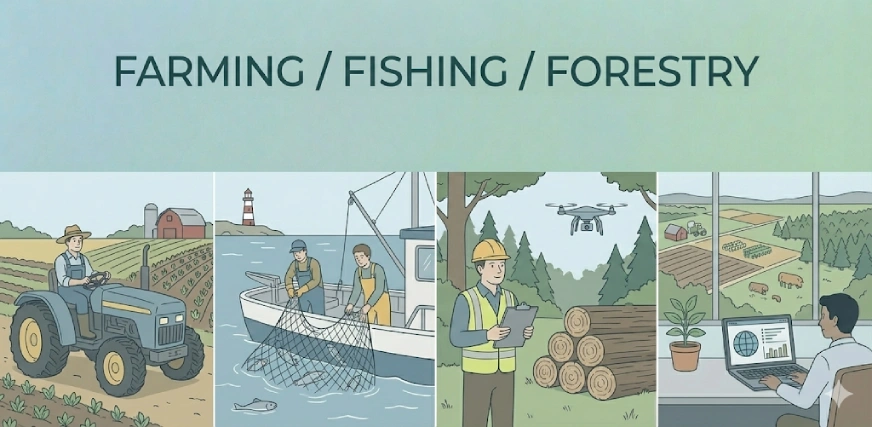
Job Examples: Farmers, Fishery Workers, Forestry Managers, Agricultural Supervisors, Sustainable Resource Managers
I have seen drones being used across farms for spraying fertilisers or insecticides. In fact, I did a whole research piece on how AI is saving farmers and their practices in India. Though you should note that that is just a part of farming, or other related practices. A major part in farming, fishery, and even forestry is played by nature. And nature, as we know it, can be a tough teacher.
If you think nature follows rules, you have never worked with it. Soil behaves differently each season. Weather refuses to cooperate. Crops fail. Fish migrate unexpectedly. Forests change without warning.
So while AI can help forecast yields, monitor conditions, and optimise inputs, agriculture and natural resource management live at the mercy of variables no model fully controls. Experience matters. Timing matters. And most of all, local wisdom is unparalleled.
This is where our revered farmers and resource workers just cannot be matched. They can constantly make judgment calls based on observation, instinct, and hard-earned lessons. For them, these will never be data problems but survival problems.
So, as long as humans depend on nature for food, resources, and livelihoods, humans will stay involved in managing it. AI may assist from the sidelines, but it will never take over the field.
Also Read:
- 5 Jobs AI Can’t Replace According to Bill Gates
- The 5% Rule: What can you do That AI Still Can’t?
- AI Won’t Replace All Jobs… Just the Ones You’d Start With
- BEWARE: AI is Coming for Your Jobs!
Conclusion
The list above is pretty much self-explanatory. AI, even with all its power and capabilities, cannot reshape the entire world. There will and possibly always be sectors and jobs where AI intervention will be restricted to the surface and can’t replace humans. Deep down, these sectors will be powered by human grit and experience.
These sectors survive the AI wave not because they resist technology, but because they operate where data ends and responsibility begins. The smart move here is not to fear AI or fight it. It is to understand where it helps, where it assists, and where it simply cannot step in yet. For professionals, this means doubling down on what makes you human. For businesses, it means hiring with intent. And for anyone choosing a career path, it means clarity over panic.
I hope this article helps you with that.