Nano Banana! The image model that took the world by storm just got eclipsed by…itself. Yes! Google did it again. After establishing standards by their release of Nano banana, they are back with its high anticipated follow-up: Nano Banana 2 (officially designated as Gemini 3.1 Flash Image).
This new model bridges the gap between studio-quality creative control and rapid generation speeds. By merging the quality outputs of the Pro tier with the efficiency of the Flash architecture, Nano Banana 2 aims to make enterprise-grade image generation possible.
We’ll talk about its features and test Nano Banana 2’s performance on real-world tasks.
Table of contents
Nano Banana 2: What’s new?
Speed with Quality would be the right phrase to describe this new model. Nano Banana 2 eliminates the trade-off between rapid rendering and studio-grade precision, offering a zero-compromise solution for visual workflows.
Where Nano Banana excelled at creating visually compelling images, the time it took to make one left a lot to be desired. Google handled this problem head on, by streamlining the architecture to reduce latency, allowing creators to rapidly iterate and refine images through prompts without the long wait times. This approach (based on my tests) proved to be fruitful.
Key Features
Nano Banana 2 isn’t just a speed upgrade, it brings heavy-hitting capabilities to everyday workflows:
- Real-Time Web Grounding: The model pulls live information and reference images from Google Search to accurately render real-world subjects, locations, and data.
- Advanced Text Rendering and Localization: It can generate crisp, highly accurate text within images (perfect for posters or mockups) and uniquely allows users to translate that text into different languages directly within the image.
- Subject Consistency: The model can maintain the exact likeness of up to five different characters and 14 objects throughout a single workflow, making it a viable tool for complex storyboarding.
- High-Fidelity Formats: It supports native generation across a multitude of aspect ratios (including 16:9, 9:16, and ultra-wide formats) and resolutions ranging from a latency-optimized 512px up to stunning 4K upscaling.
You can access Nano Banana 2 using Gemini’s Web Interface. Nano Banana 2 is free to use for all users.
Let’s Try Nano Banana 2
Here are five practical ways to put it through its paces:
Task 1: The Infographic Test Prompt
“Generate a top-down, flat-lay infographic explaining the solar energy cycle. Ensure there is a logical visual flow and absolutely zero spelling errors in the text labels.”
Response:
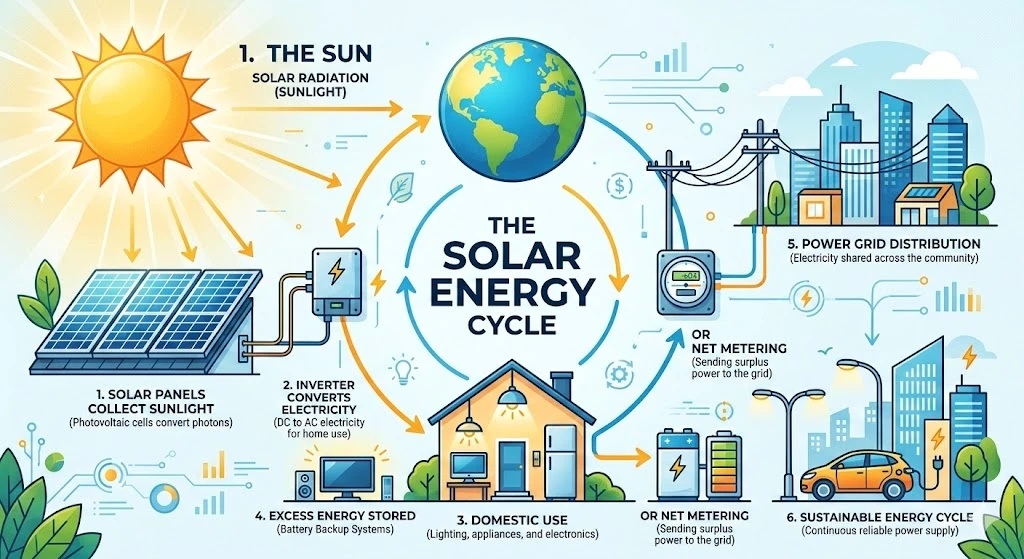
A beautify infographic that is devoid of spelling mistakes and perfectly answers the query, while adjusting the image to the theme it was trying to portray (positive green vibes).
Task 2: In-Image Translation
“Generate a modern advertisement mockup for a sleek pair of headphones featuring the English text ‘Feel The Bass’.”
Response:

A convincing advertisement mockup. But let’s spice things up a bit.
Prompt 2 (Followup): “Localize this visual by translating the text into Japanese (‘低音を感じろ’) without changing the underlying image composition or lighting.”
Response:
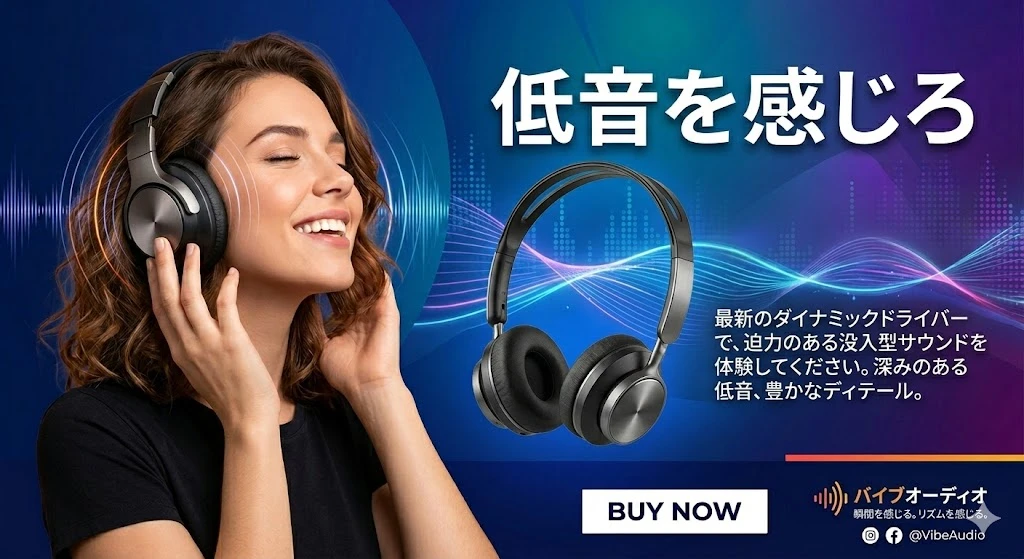
The japanese text in the image looked quite convincing. But since I can’t read japanese, I used google translate to confirm whether the translation was correct or not.
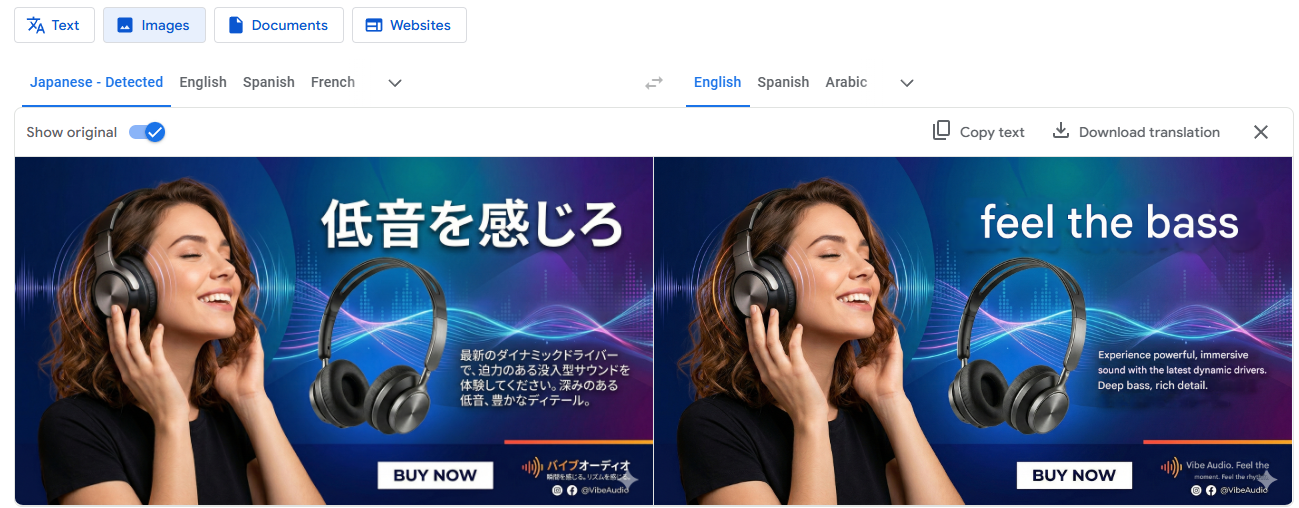
Wow. This is almost a 100% match from the original text! This is amazing because the Nano Banana 2 was not only able to translate and paste the japanese text in a convincing manner, but also took care of the correctness of the translation.
Multilingual graphic designs would benefit a lot from this capability of Nano Banana 2.
Task 3: Character Storyboarding Prompt
“Generate a specific character design of a cyberpunk detective wearing a glowing blue visor. Using this exact character, generate three new images placing them in entirely different environments: a bustling neon night market, a sterile white corporate lobby, and a dusty wasteland.”
Response:
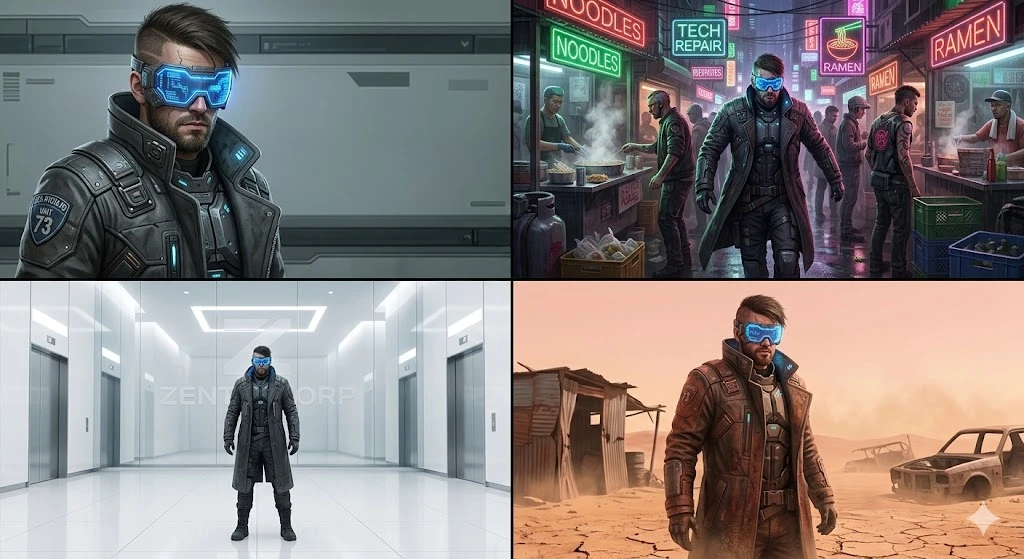
Cyberpunk 2077 Vibes. The character design of the detective was consistent across the environments. The patches on the coat, the scar on the forehead, and many more details are consistently relayed across the different scenes.
This is something that Nano Banana struggled with.
Task 4: Semantic Natural Language Editing
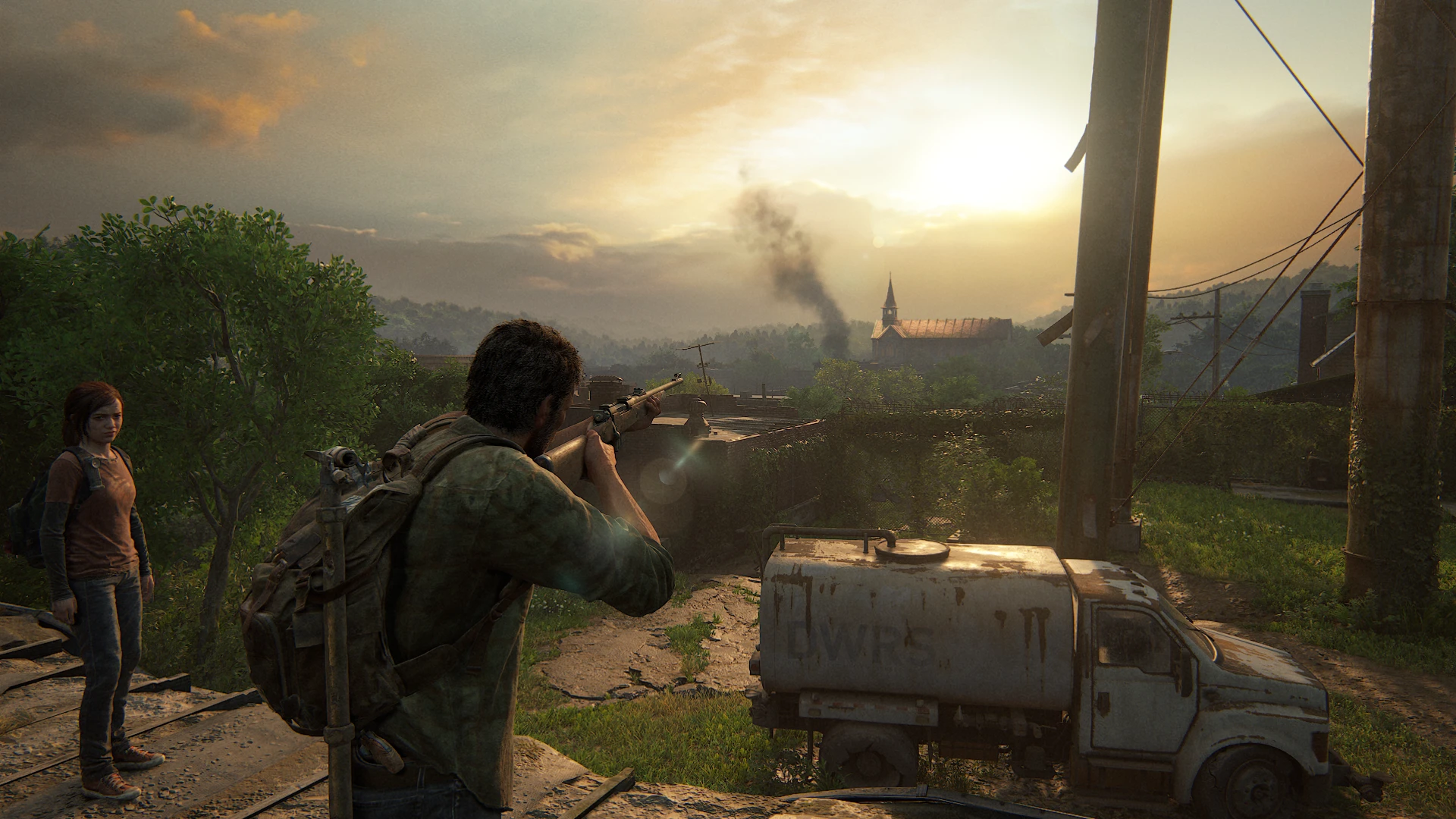
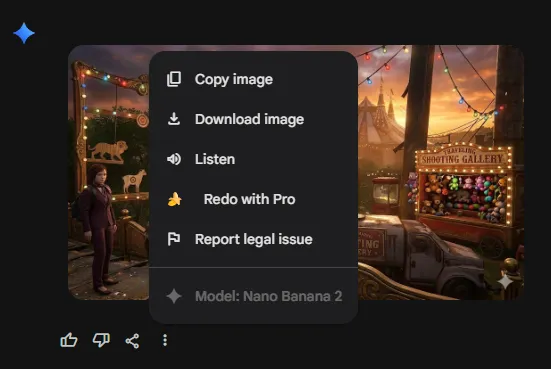
“Take this image and change the atmosphere to that of Circus. Swap the clothing with formal suits. Make it as if they’re in a shooting gallery. Don’t change the subject or where they are located in the image.”
Response:
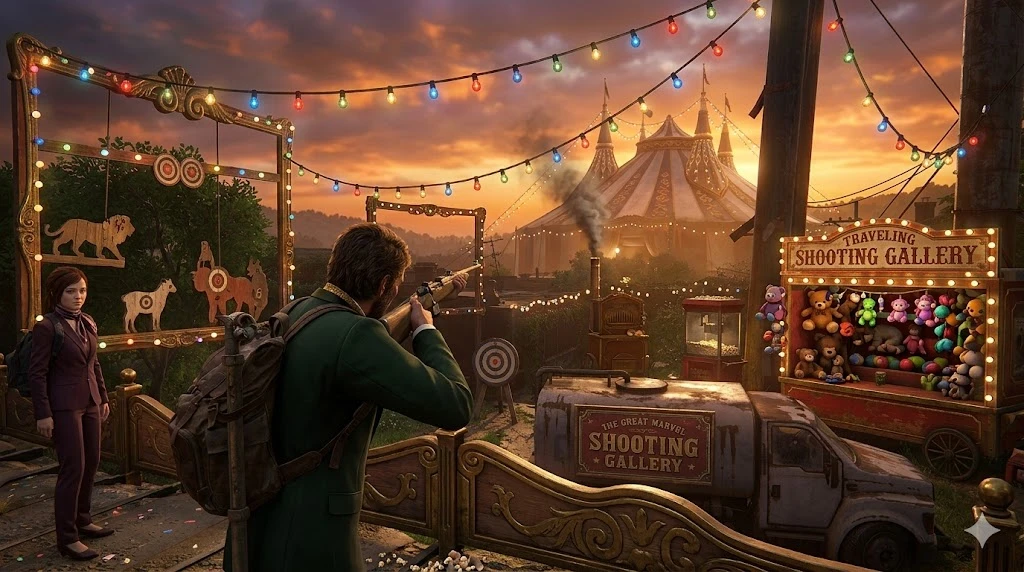
Impressed. The character weren’t moved at all. And their attires were changed according to the instruction in a natural manner. Nano Banana 2 was able to do a revamp on this image, without changing a number of its visual elements like the water truck, tree (besides the girl) and the chimney smoke.
Task 5: Live Weather Grounding Prompt
“Generate a photorealistic view from a cozy apartment window looking directly at the Eiffel Tower, accurately reflecting today’s actual live weather conditions in Paris.”
Response:
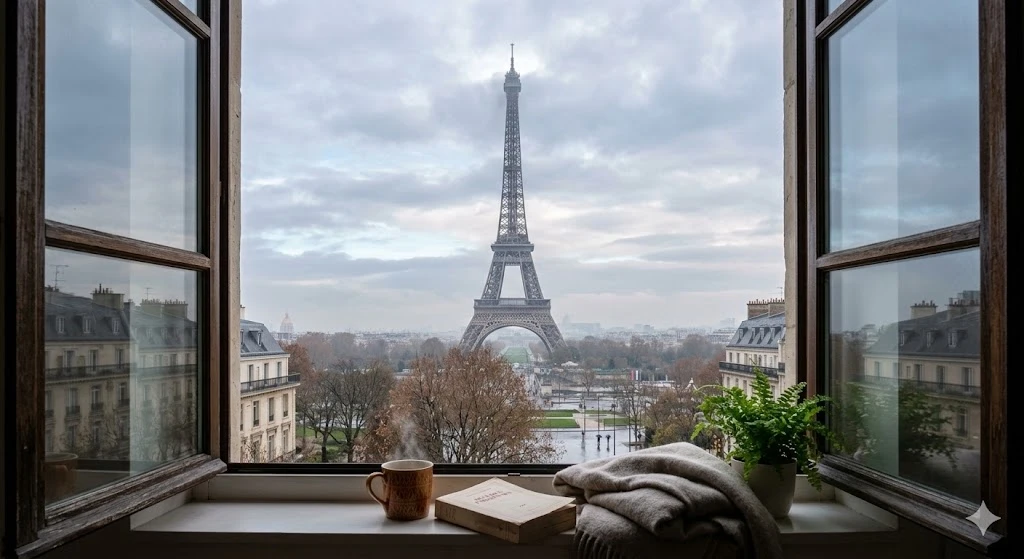
This image looks like a high-quality instagram image. If you were to tell your friend that this is a snap you took while you were in paris, chances are —ahm.. Watermark— they’re gonna believe you. The time and weather conditions of paris as of the time this test was done were 12:52 am and cloudy weather. This scene perfectly captures these details.
Nano Banana 2 Review
While using Nano Banana 2, I made the following observations:
- Specificity: Nano Banana 2 is an incredible tool, if you can ask it properly. Ask and you shall get! The old adage epitomizes the experience I’ve had using it. The more clear your prompts are, the better the output image quality.
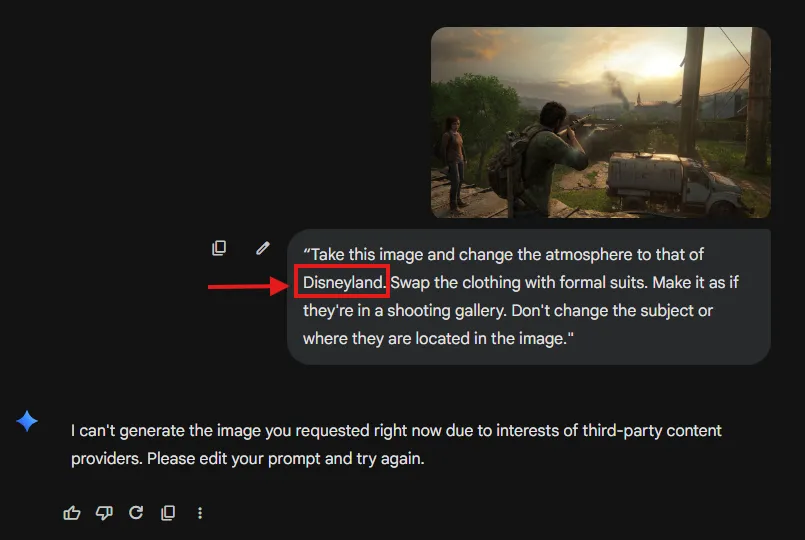
- Guardrails: Of all its mightiness, Nano Banana 2 would outright reject image request that contains a copyrightable entity in the prompt. Avoid using company names or something specific that can trigger this guardrail.
- Limitations: Nano Banana 2 is available for free to all users of Gemini model. But some features are locked behind subscriptions and free usage leads to limit quite easily.
Performance and Benchmarks
While exact benchmark numbers are still stabilizing, early reception places Nano Banana 2 at the very top of visual AI leaderboards like Arena.ai.
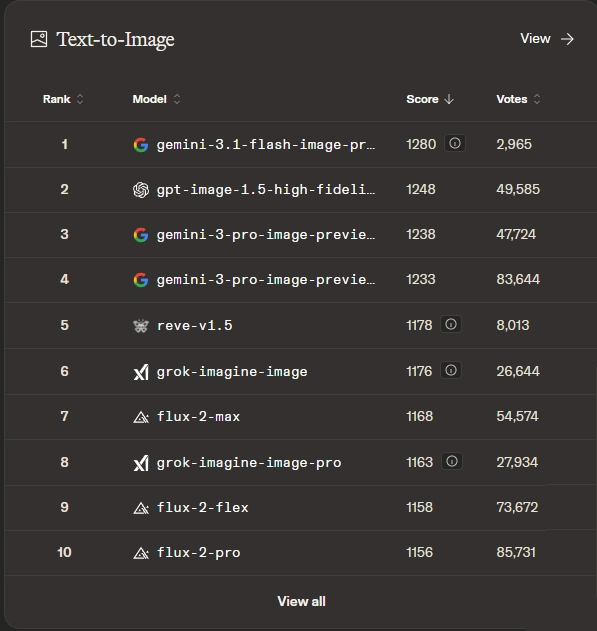
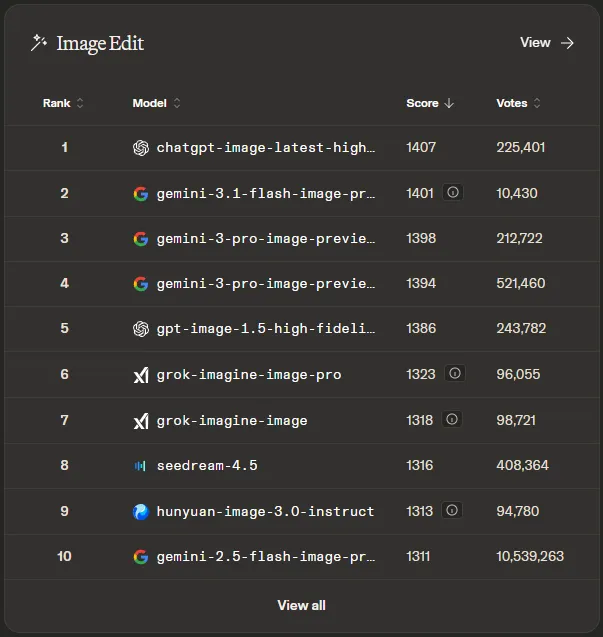
It outperforms its predecessor, Gemini 2.5 Flash Image, by drastically reducing latency while matching the instruction-following and prompt adherence previously reserved only for the heavier Gemini 3.1 Pro Image model.
Conclusion
Nano Banana 2 represents a major shift in how we approach AI image generation. By removing the friction of long rendering times while keeping advanced features like perfect text generation and character consistency, it is effectively ending the compromise between speed and quality.
Whether you are an enterprise marketer localizing global ad campaigns or a creator building a comic book, Nano Banana 2 is positioned to become the new default standard for visual generation.
Frequently Asked Questions
Q1. What makes Nano Banana 2 different from its predecessor?
A. It combines Flash-level speed with Pro-quality image generation, removing the usual trade-off.
Q2. Can Nano Banana 2 translate text inside generated images?
A. Yes, it supports in-image text translation without changing composition or lighting.
Q3. How many subjects can Nano Banana 2 keep consistent?
A. It maintains consistency for up to five characters and 14 objects across workflows.
I specialize in reviewing and refining AI-driven research, technical documentation, and content related to emerging AI technologies. My experience spans AI model training, data analysis, and information retrieval, allowing me to craft content that is both technically accurate and accessible.