Two years ago, AI could autocomplete your sentence. Today, it writes production code, drafts legal contracts, generates photorealistic images, builds entire apps, and debates philosophy.
Generative AI is not just another tech trend. It is a platform shift.
The internet changed how we access information. Mobile changed how we interact with it. GenAI is changing how software itself is built. Developers are no longer just writing logic. They are orchestrating models. Engineers are not just building features. They are designing systems that generate.
Here is the real differentiator. The people who understand how transformers work, how diffusion models generate images, how tokenization shapes output, and how fine tuning changes behavior are the ones building the future. If you are serious about GenAI, you do not just call APIs. You understand the stack. These 10 books will help you do exactly that.
Table of contents
- Deep Learning by Ian Goodfellow, Yoshua Bengio, Aaron Courville
- Natural Language Processing with Transformers by Lewis Tunstall, Leandro von Werra, Thomas Wolf
- Build a Large Language Model from Scratch by Sebastian Raschka
- The LLM Engineering Handbook by Paul Iusztin and Maxime Labonne
- AI Engineering by Chip Huyen
- Generative Deep Learning by David Foster
- Generative AI on AWS by Chris Fregly, Antje Barth, Shelbee Eigenbrode
- Generative AI with LangChain by Ben Auffarth
- Transformers for Natural Language Processing and Computer Vision by Denis Rothman
- Generative Adversarial Networks in Action by James Acklin
- Conclusion
Deep Learning by Ian Goodfellow, Yoshua Bengio, Aaron Courville

Often called the bible of modern AI, this book builds the mathematical and conceptual foundation behind neural networks and generative systems. It covers backpropagation, optimization, probabilistic models, representation learning, and sequence modeling with remarkable clarity. Generative models such as autoencoders and adversarial networks are explained from first principles, helping readers understand why they work and when they fail. If you want to understand transformers, diffusion models, or large language models at a deeper level, this book provides the theory required to reason about them rigorously instead of treating them as black boxes.
Natural Language Processing with Transformers by Lewis Tunstall, Leandro von Werra, Thomas Wolf
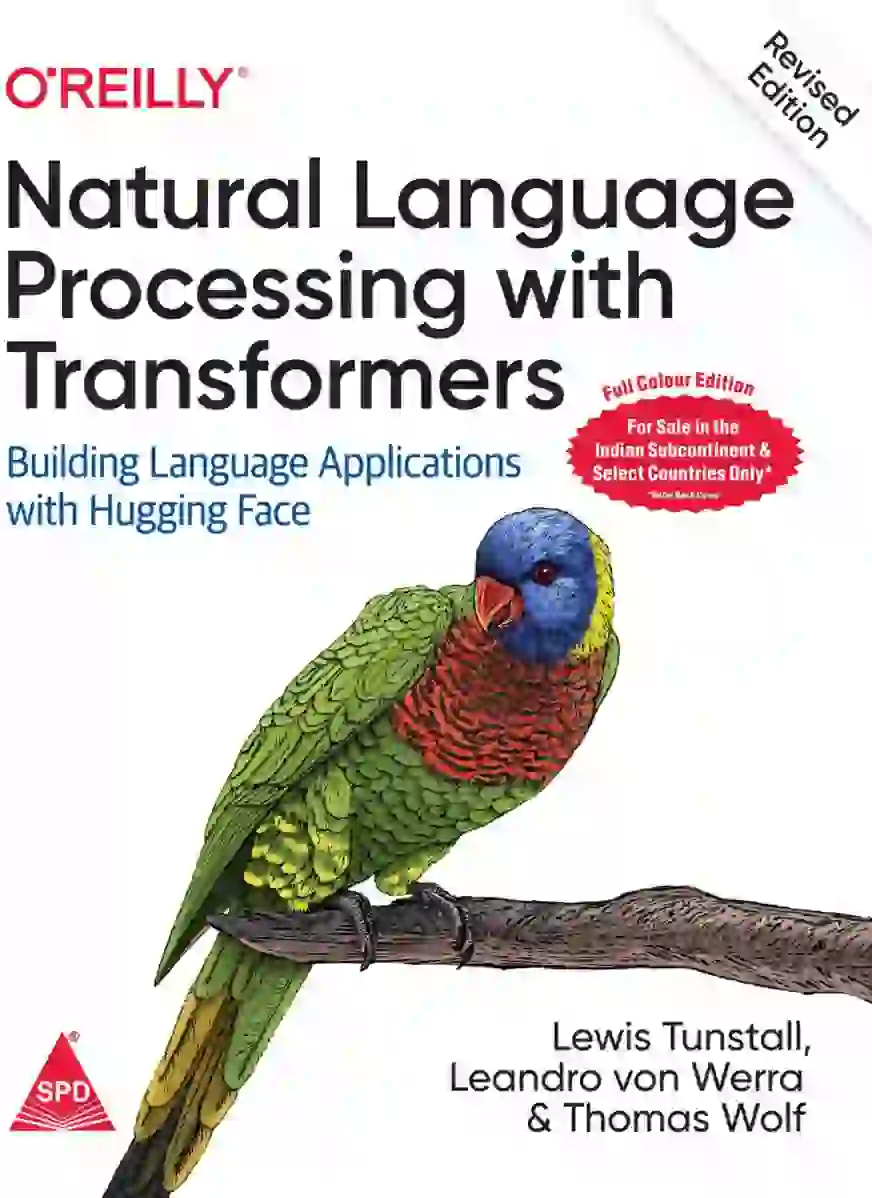
This is one of the most practical guides to working with transformer models in real-world environments. Written by core contributors to the Hugging Face ecosystem, the book walks through fine tuning, evaluation, scaling, and deploying transformer models for classification, question answering, and generation tasks. It balances conceptual clarity with production-ready implementation using modern tooling. Readers learn how to optimize models, reduce size, and handle deployment challenges. For anyone building with BERT, GPT, or similar architectures, this book bridges research concepts and hands-on engineering.
Build a Large Language Model from Scratch by Sebastian Raschka
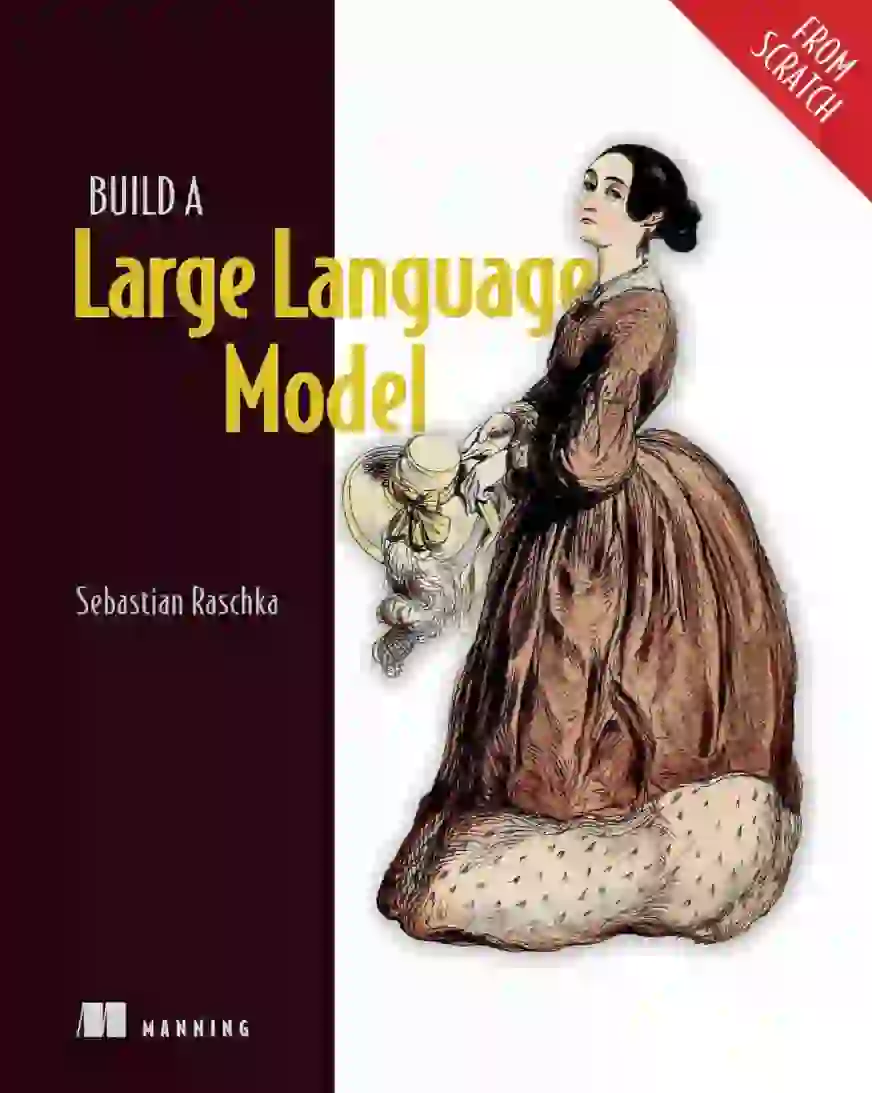
If you have ever wanted to truly understand what happens inside GPT-style systems, this book delivers. Raschka guides readers step by step through implementing a transformer-based language model in PyTorch. From tokenization and embeddings to attention mechanisms and training loops, every component is built from the ground up. Instead of abstract explanations, you write the model yourself and see how design choices impact performance. This book removes the mystery around large language models and empowers you to reason about architecture, scaling, and fine tuning with confidence.
The LLM Engineering Handbook by Paul Iusztin and Maxime Labonne
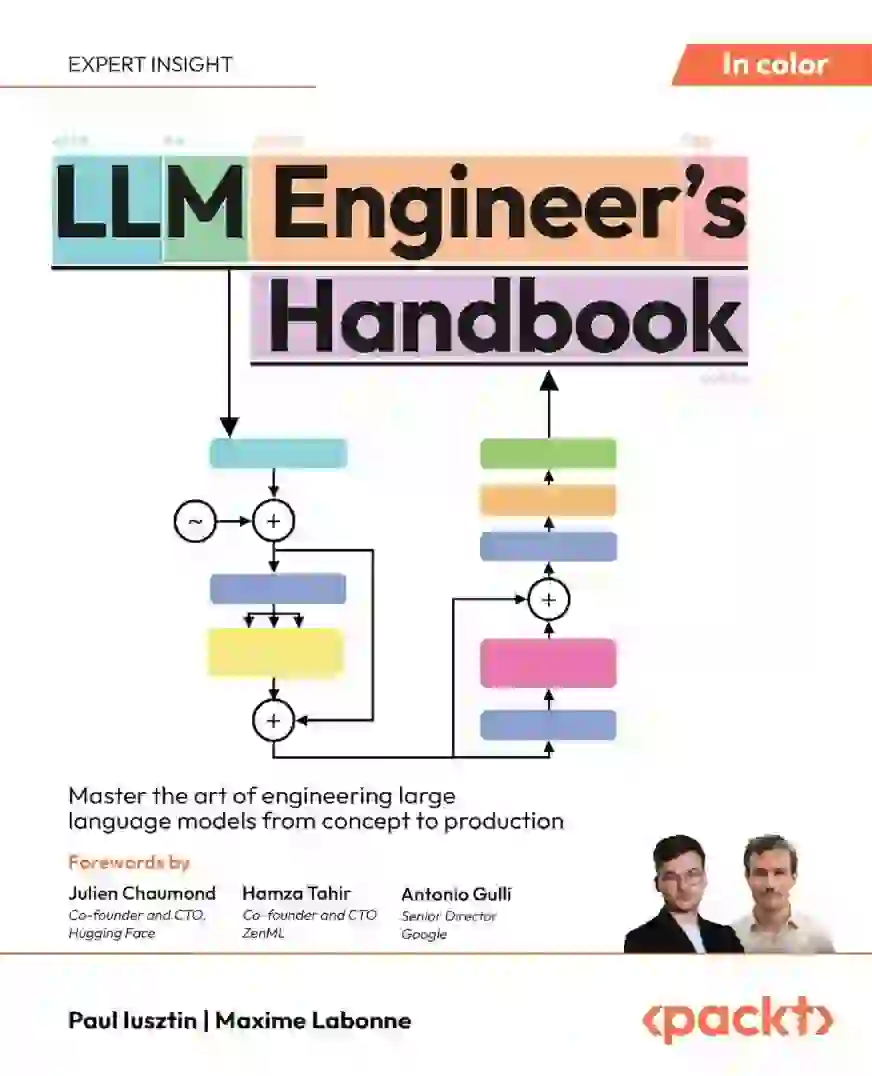
Building a demo chatbot is easy. Building a production-grade LLM system is not. This book focuses on engineering large language model applications end to end. It covers prompt design, retrieval augmented generation, embeddings, evaluation frameworks, monitoring, and deployment strategies. The authors emphasize practical decision making such as choosing the right model, optimizing latency, and ensuring reliability in real environments. For developers moving from experimentation to shipping AI products, this book provides a structured blueprint for designing robust and scalable GenAI systems.
AI Engineering by Chip Huyen
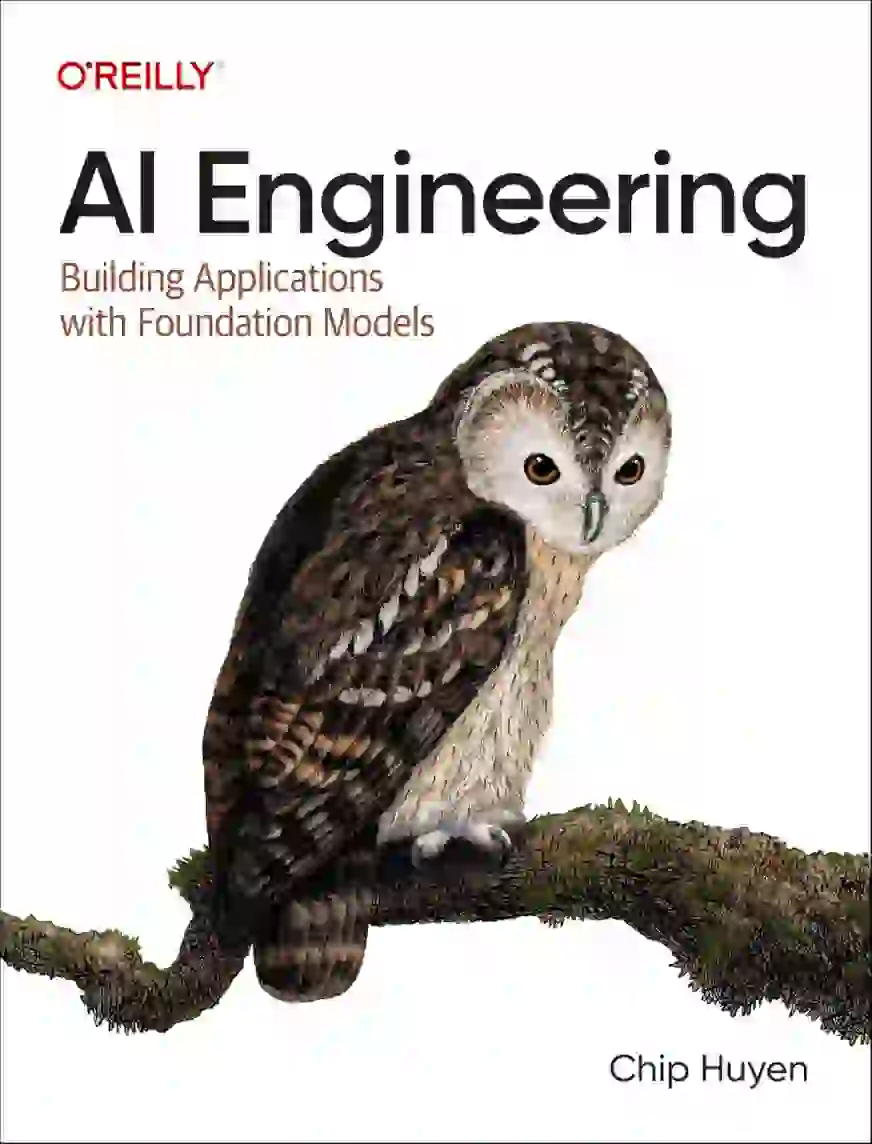
This book shifts focus from model theory to system design. Chip Huyen explores how to build, deploy, monitor, and iterate on machine learning systems in production. Topics include data pipelines, model versioning, infrastructure design, experimentation frameworks, and feedback loops. While not limited to generative AI, the principles apply directly to large language models and generative applications. If you want to understand how GenAI fits into larger software systems and how to operate it at scale, this book gives you the engineering mindset required for real-world impact.
Generative Deep Learning by David Foster
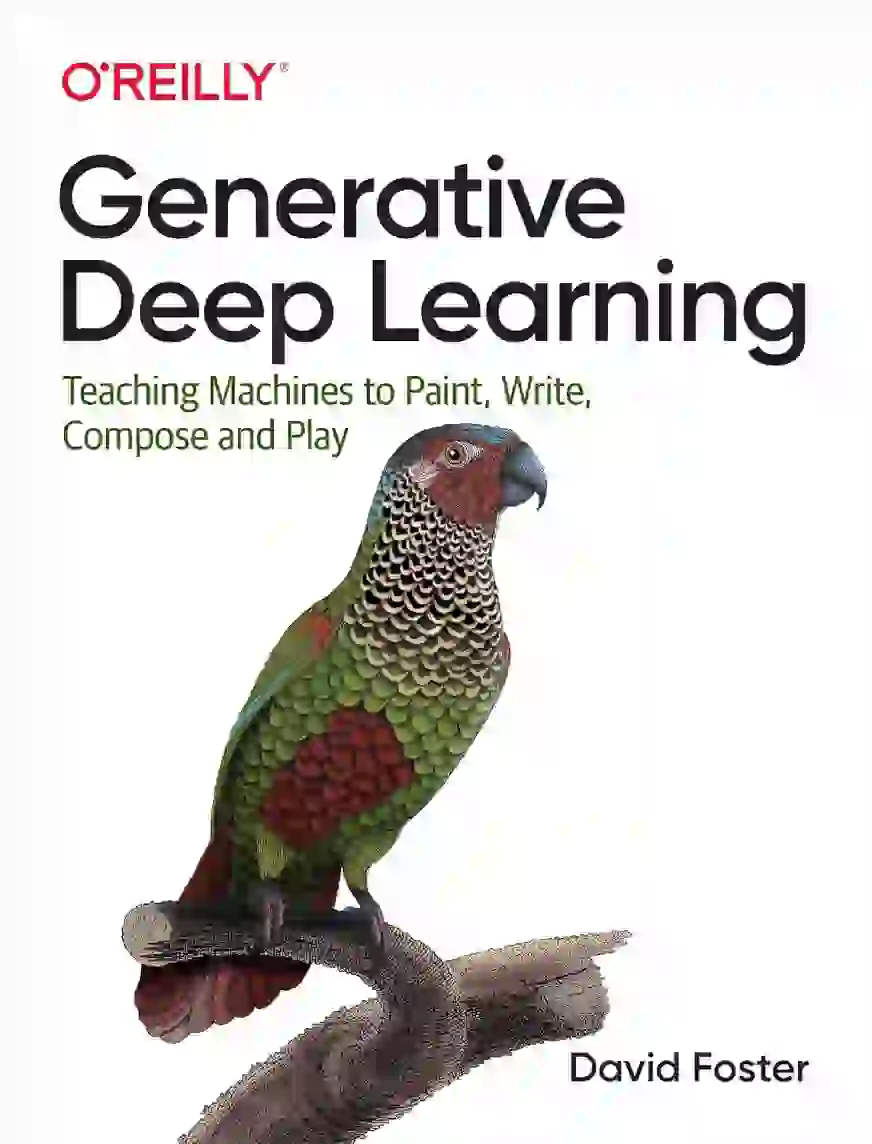
A hands-on guide to creative AI, this book explores variational autoencoders, generative adversarial networks, transformers, and other generative architectures using TensorFlow and Keras. Foster combines intuition with implementation, helping readers understand how generative systems create images, music, and text. Real examples demonstrate how models learn latent representations and manipulate them to generate new content. It is especially valuable for those interested in visual or multimodal generative applications. The book strikes a balance between accessibility and technical depth, making it a strong practical entry into generative modeling.
Generative AI on AWS by Chris Fregly, Antje Barth, Shelbee Eigenbrode
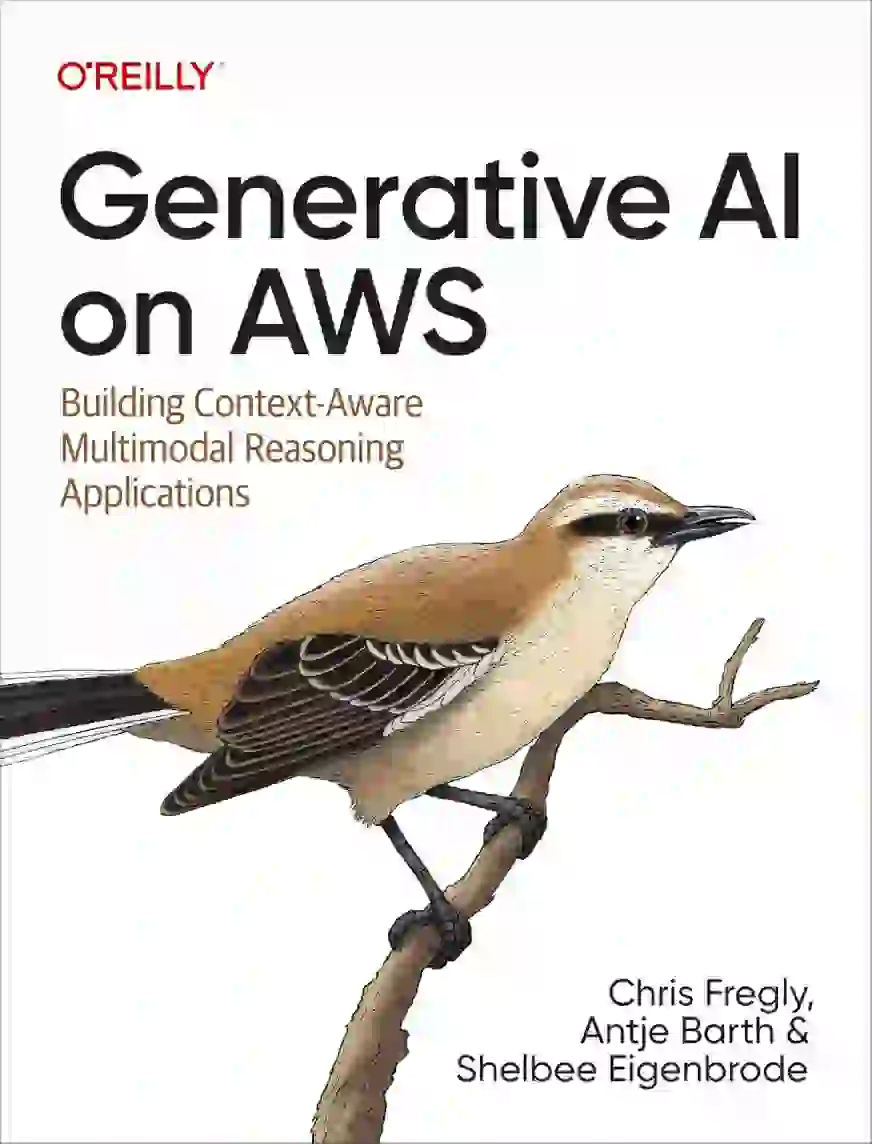
This book focuses on building and scaling generative AI systems using AWS infrastructure. It walks through data preparation, distributed training, deployment pipelines, cost optimization, and managed services for large models. Readers learn how to leverage cloud-native tools to create production-ready generative applications. The emphasis is not only on model training but also on operational efficiency and scalability. For engineers working in enterprise environments or building cloud-first AI systems, this book provides practical insight into integrating generative AI into real infrastructure stacks.
Click here to get this GenAI book.
Generative AI with LangChain by Ben Auffarth
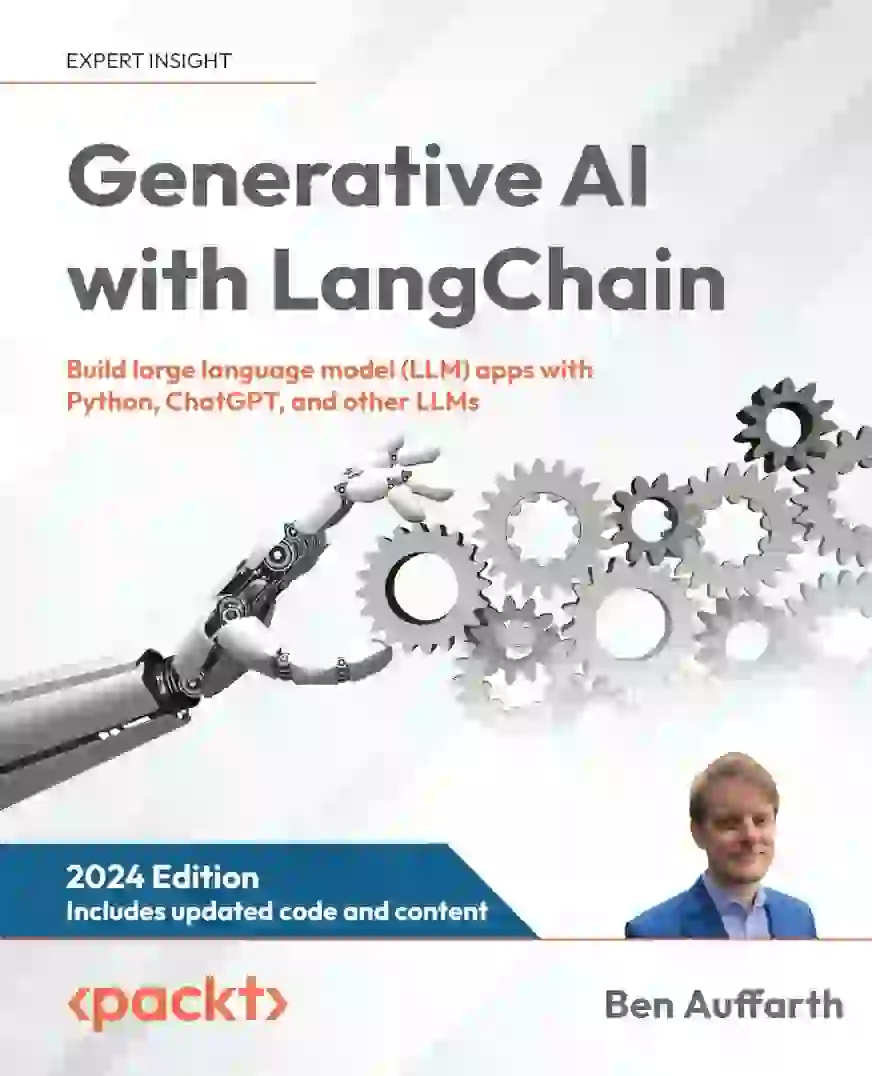
LangChain has become central to building application-layer AI systems. This book teaches how to use the framework to construct chatbots, agents, and retrieval augmented workflows. It covers chaining prompts, managing memory, integrating external tools, and building interactive applications powered by large language models. Rather than focusing solely on model internals, it emphasizes orchestration and workflow design. Developers learn how to transform raw model outputs into structured, reliable systems. For those building AI products rather than research models, this is a highly practical resource.
Click here to buy this Generative AI book.
Transformers for Natural Language Processing and Computer Vision by Denis Rothman
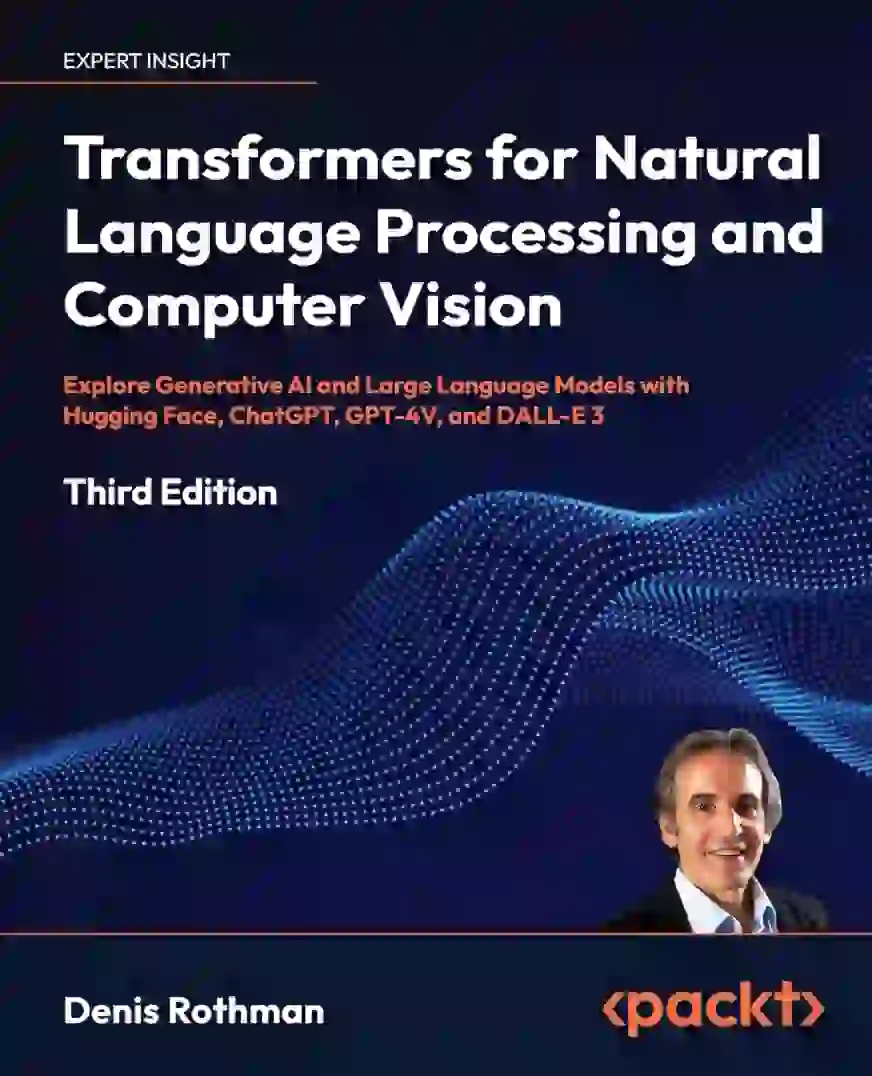
This book explores transformer architectures across language and vision tasks. It covers pretraining, fine tuning, multimodal models, retrieval augmented systems, and techniques for reducing hallucinations. Readers gain exposure to both theoretical underpinnings and applied use cases across NLP and computer vision. The inclusion of multimodal transformers makes it especially relevant in the era of image and video generation. For engineers looking to understand the broader transformer ecosystem beyond text-only models, this book expands perspective and capability.
Click here to buy this GenAI book.
Generative Adversarial Networks in Action by James Acklin
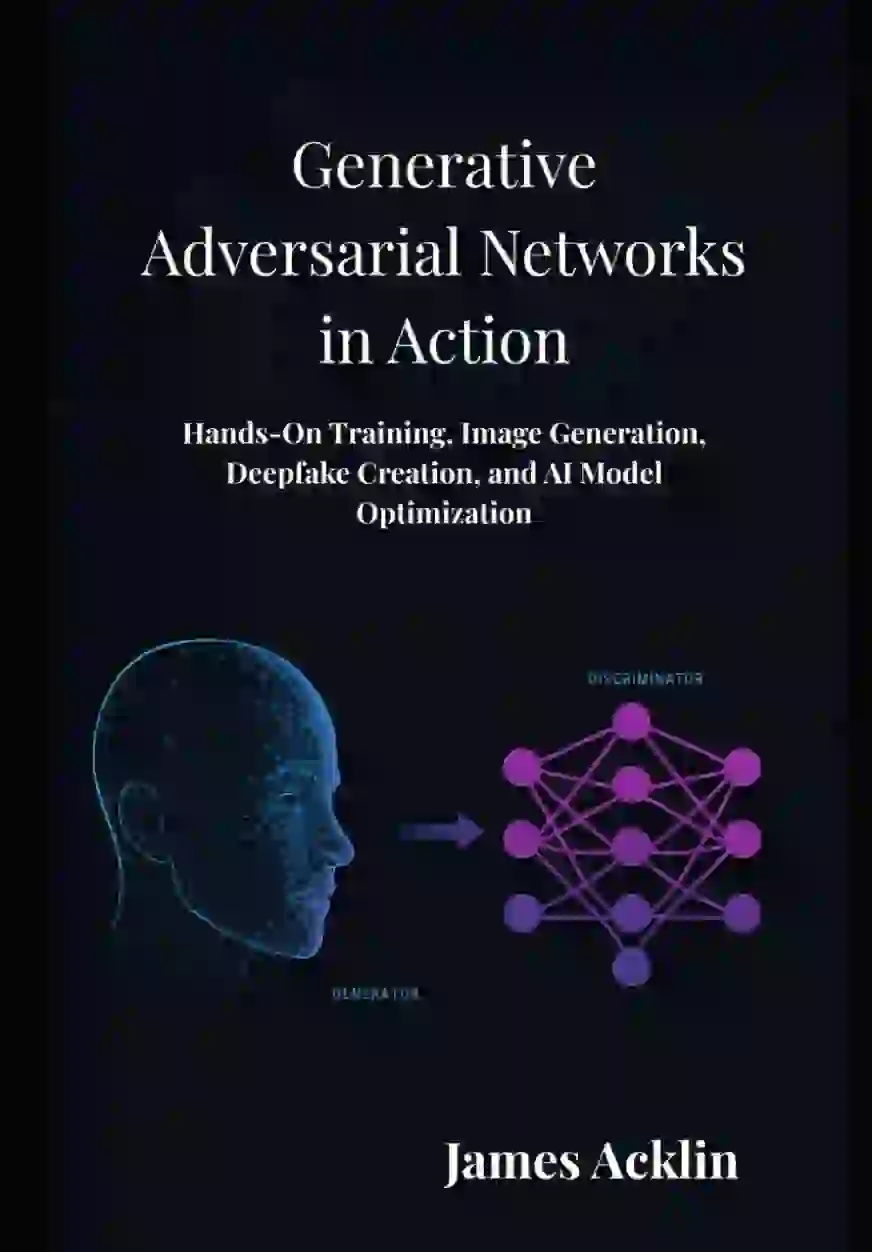
Generative adversarial networks remain foundational in image generation and style transfer. This book dives into GAN architectures, training dynamics, stability challenges, and evaluation techniques. It explains how generators and discriminators compete to produce increasingly realistic outputs. Practical examples guide readers through implementing and improving GAN variants. While transformers dominate language, GANs continue to influence visual generative systems. For those interested in image synthesis and understanding adversarial training, this book provides focused technical depth.
Click here to get this GenAI book.
Read More:
Conclusion
Generative AI is moving fast. Reading casually about it is no longer enough. If you want to build, ship, and lead in this space, you need both conceptual clarity and hands-on depth. These books give you exactly that. They cover the foundations, the architectures, the engineering practices, and the real-world systems that power today’s most advanced AI applications. Together, they form a roadmap from theory to production.
If you are ready to go beyond reading and start building seriously, explore our GenAI Pinnacle Plus program. Designed by industry practitioners, Pinnacle combines structured learning, practical implementation, and real-world use cases to help you master modern GenAI systems.
Take the next step and start building the future instead of just watching it unfold.
Hello, I am Nitika, a tech-savvy Content Creator and Marketer. Creativity and learning new things come naturally to me. I have expertise in creating result-driven content strategies. I am well versed in SEO Management, Keyword Operations, Web Content Writing, Communication, Content Strategy, Editing, and Writing.