
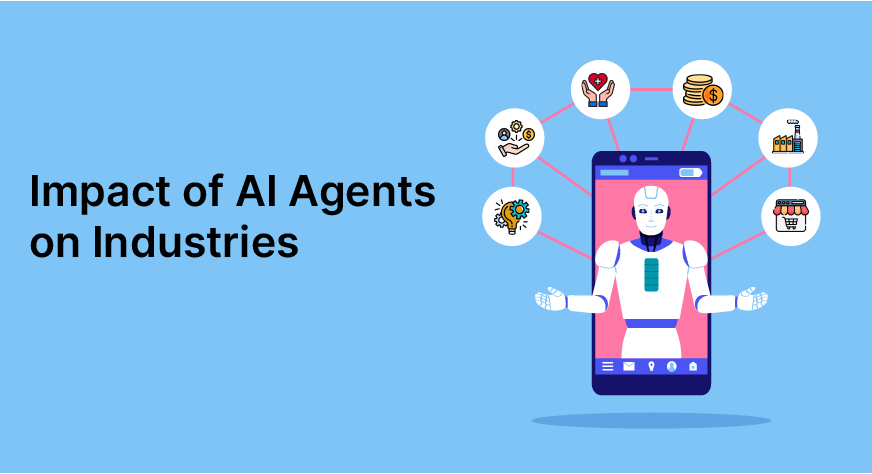
Agents that utilize artificial intelligence are leaving conventional offices and entering the real world. Scholars foresee AI agents’ adoption into every corner of our economy by 2025, performing complex tasks and automating others, while delivering real-time analytics under minimal supervision.
On the front of e-commerce, AI bots are already present to assist customers when they go shopping by communicating with them through chat, whereas in the field of health care, AI assistants are also being integrated through different tasks. This is a trend towards customer-focused and efficiency-based businesses, which becomes possible through such versatile solutions, taking automation of business processes a step forward. This guide shall explore the waves generated by AI agents in the vital sectors, along with the analytics accompanying them.
Table of contents
- Artificial Intelligence Market
- Healthcare Transformation: Precision and Speed at Scale
- Financial Services Advancements: Risk Related and Responsive
- Innovations in Manufacturing: Lean, foreseeable, lucrative
- The Evolution of Retail and E-commerce: Precision and Personalization
- Optimization of Human Resources: Intelligent Human Resources Management
- The Positives of AI Agents in Any Industry
- Issues and Ethical Concerns
- Are we ready for the Agentic Future?
- Frequently Asked Questions
Artificial Intelligence Market
Go back only 15 years, and AI remained a rather abstract concept. Two decades earlier, it was primarily oriented toward natural language processing and the application of machine learning frameworks such as chatbots. Jump to the present, and as we can see, the modern era and machinery are developing AI agents to automate duties and elicit meaningful facts, and connect in human-like conversations.
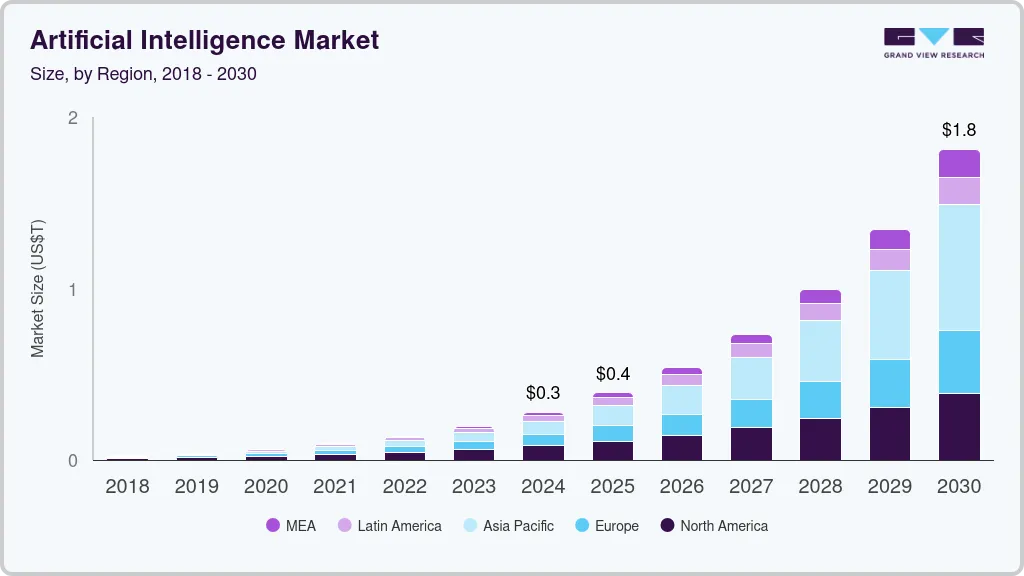
The adoption of industry-wide is as follows:
- A high 270 percent growth in AI applications in businesses over the last four years.
- An estimated world AI market size of 1,811.8 Bn dollars in 2030.
- By 2025, 95 per cent of the interactions of the customers with AI systems are anticipated.
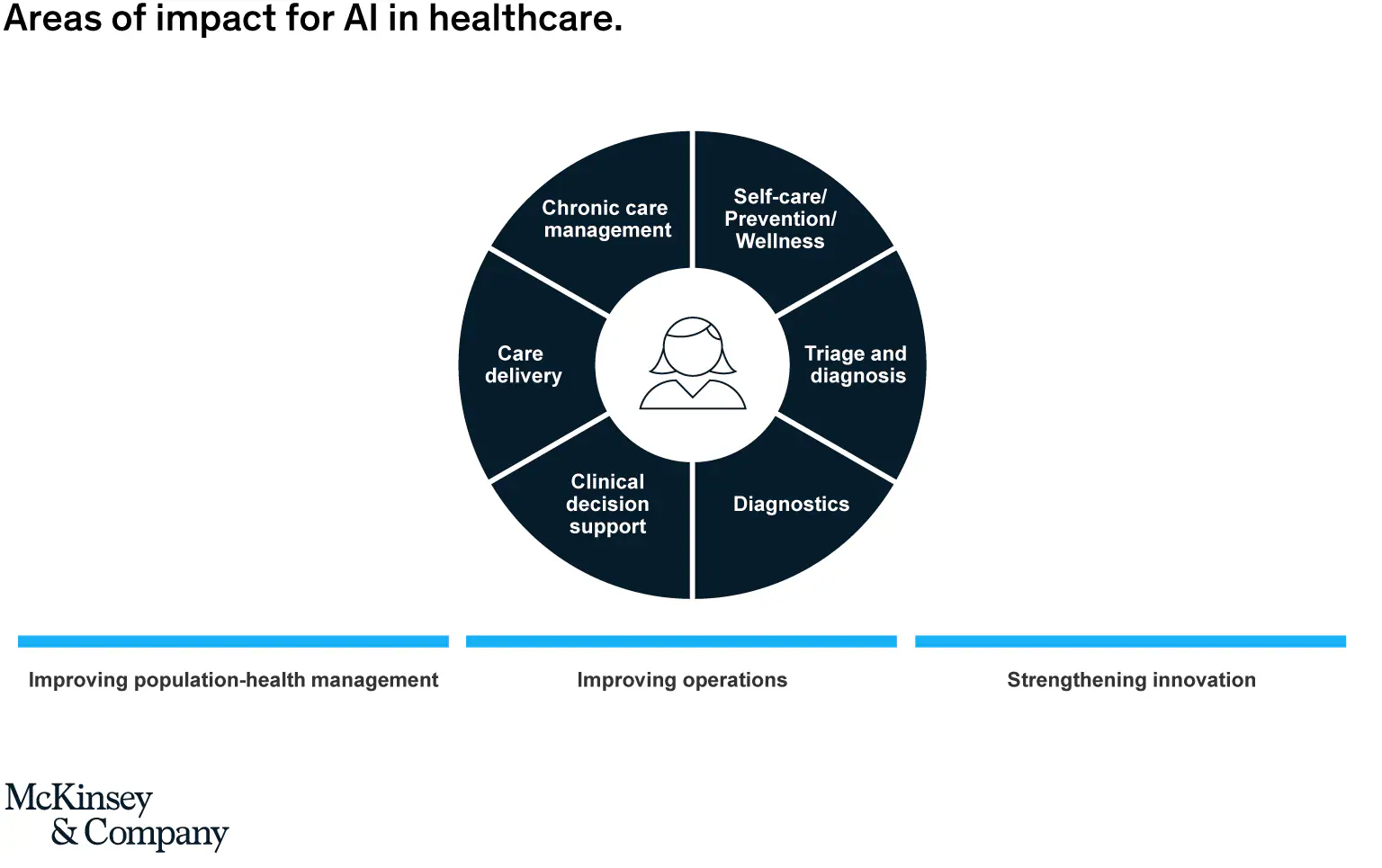
Digitization of healthcare is placing AI agents as priceless players in the provision of quality and timely patient care on a greater scale. Such advanced systems are increasing efficiency at all levels of operation in automating administrative functions, evaluation of symptoms, and excellent patient care services that demand attention from healthcare professionals.
Healthcare Transformation: Precision and Speed at Scale
Due to the rapid digitalization of the healthcare industry, AI agents are emerging as powerful companions in providing more effective, precise, and scalable patient care. These intelligent solutions are pushing the boundaries and enabling the extremes of the healthcare spectrum, including administrative workflow management to symptom triaging, thereby liberating the healthcare workers to focus on the ultimate goal, which is patient outcome enhancement.
Predictive Diagnosis
The introduction of AI-based diagnostic programs has enabled physicians to diagnose disease with velocity and accuracy that has never been witnessed before. Machine learning algorithms trained on massive databases containing genetic data, laboratory tests, and electronic health records can train AI agents to find risk factors and early warning signs of the onset of diseases such as cancer, diabetes, or cardiovascular disease.
Offer personal screening schedules based on the health history of an individual. Care teams should be notified of any discrepancies that were not caught during the manual check. Preventing the disease, especially at an early stage, allows transitioning between reactive and predictive medicine, which saves lives, in addition to reducing the cost of chronic treatment.
Virtual Health Assistants
Just imagine that you have your health assistant with you. AI agents are here to provide you with 24-hour scalable support systems, which include:
- Natural language inputs of symptom triage.
- Pill intake monitoring and alert system.
- Reports and interpretations of test results are stated in layman’s terms that translate technical medical terms.
Treatment of chronic conditions, structured follow-ups to allow environmental change. Such assistants increase access to healthcare among the disadvantaged and rural populations and add to convenience.
Simplification of Patient Care
The key to the interaction of any patient is the work of operational tasks. Efficiency in everyday procedures, such as scheduling or placing appointments via an interactive interface, is also enhanced by a huge margin with the assistance of AI agents.
Artificial intelligence agents free up valuable time and resources by removing administrative work from clinical staff and allowing doctors to spend more time treating patients and less time filling out forms.
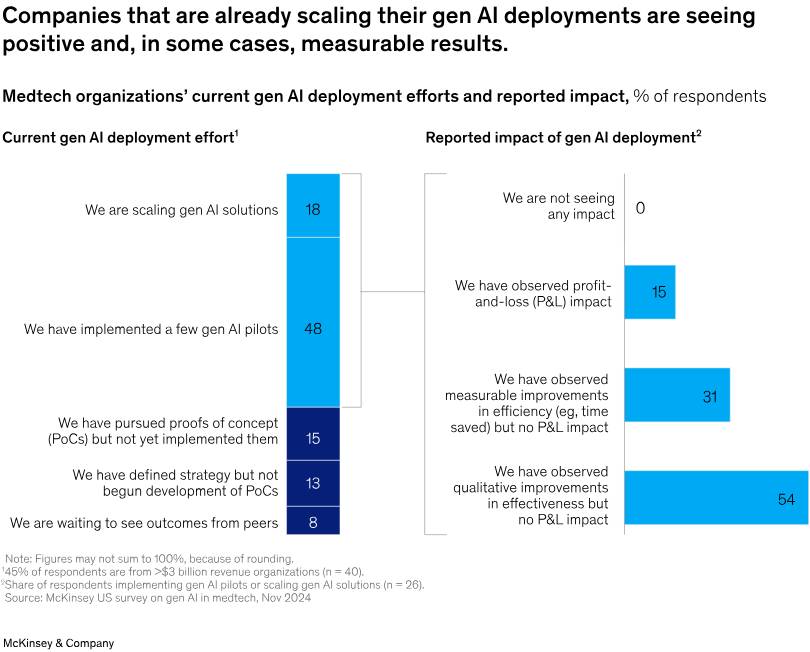
Key Stats:
- Up to 30% boost in diagnostic accuracy with AI-assisted systems
- 20-30% increase in patient recovery rates with real-time AI monitoring
- AI-driven clinical documentation reduces manual effort by 40%
Financial Services Advancements: Risk Related and Responsive
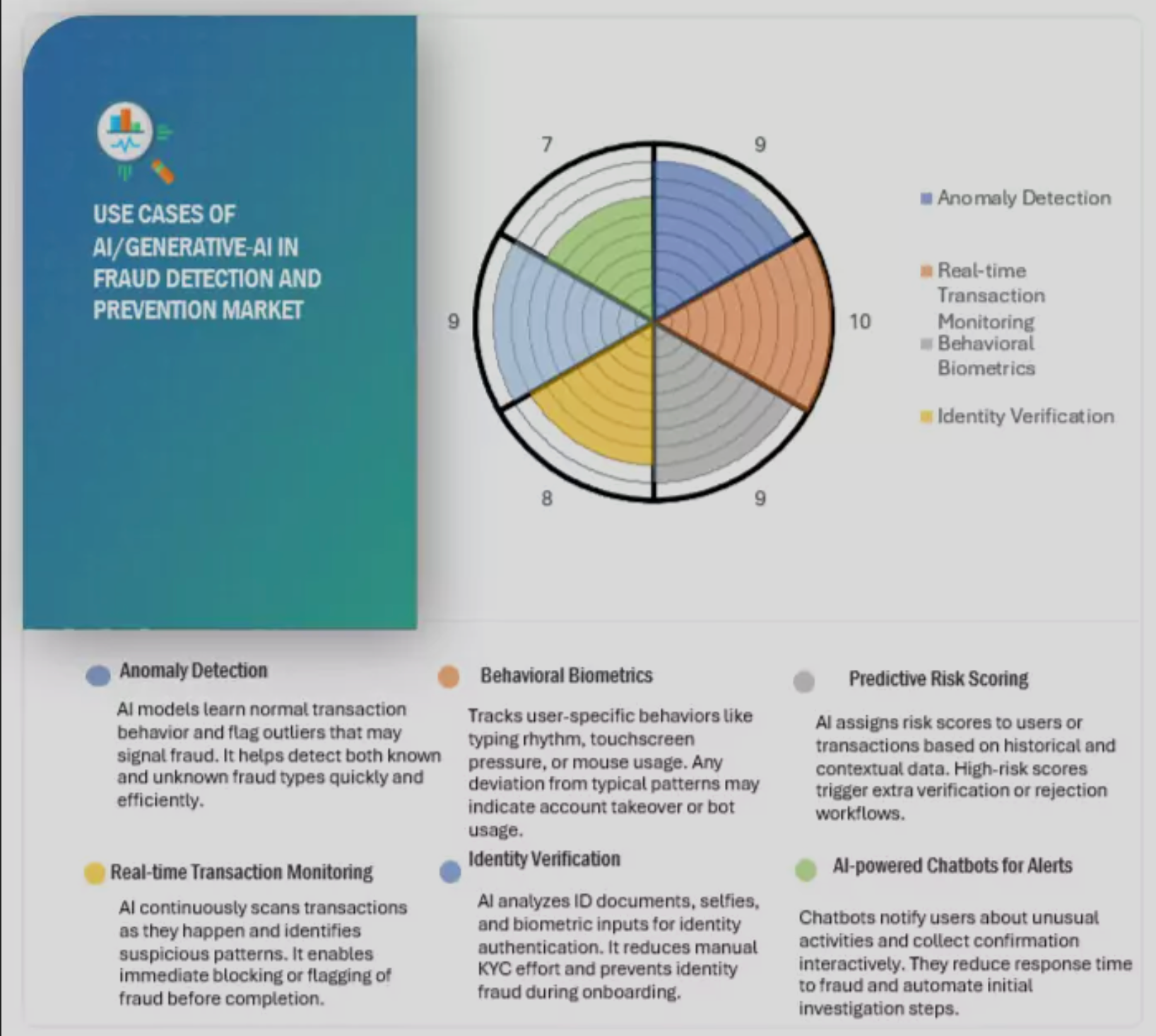
In the financial services industry, artificial intelligence is transforming it on an essential level. Intelligent agents are contributing to advertisement proof and automated buying/selling much more than ever before, especially in terms of security, regulation, and real-time decision making. Artificial intelligence guarantees that financial institutions accomplish this with expediency, particularity, and the ability to forecast.
1. Detection and Management of Risks
- AI agents use behavioral analytics and real-time data streaming to detect abnormal actions and possible threats before they develop.
- These agents constantly monitor the professionalism of account behavior so that financial firms should be able to proactively handle the risk exposure.
- Identification of anomalies early on avoids expensive mistakes, violations of regulatory requirements, and damage to reputation.
2. Strategies in Fraud Prevention
- AI programs embedded inside machine learning models are educated in the company of sophisticated signatures of fraud and to shift on the persistent transformation of threat procedures.
- They identify fraudulent activities within the blink of an eye or a millisecond, whether it is a synthetic fraud, phishing, or identity theft- they point out the suspicious transactions.
- This learns on its own, decreasing false positives dramatically, and is a dynamic self learning system that offers a better customer experience, yet does not jeopardize security.
3. Automated Stock Trading Systems
- The electronic trading agents are AI-enabled to make trades within milliseconds using huge volumes of data about the markets, trader sentiment of news, and past trends.
- These systems can change strategies dynamically according to the changing market dynamics in order to maximize returns with the least losses.
- Consequently, companies that employ AI in trading declare that they are more profitable and have a better grip on risk management, not to mention, are less dependent on human operations.
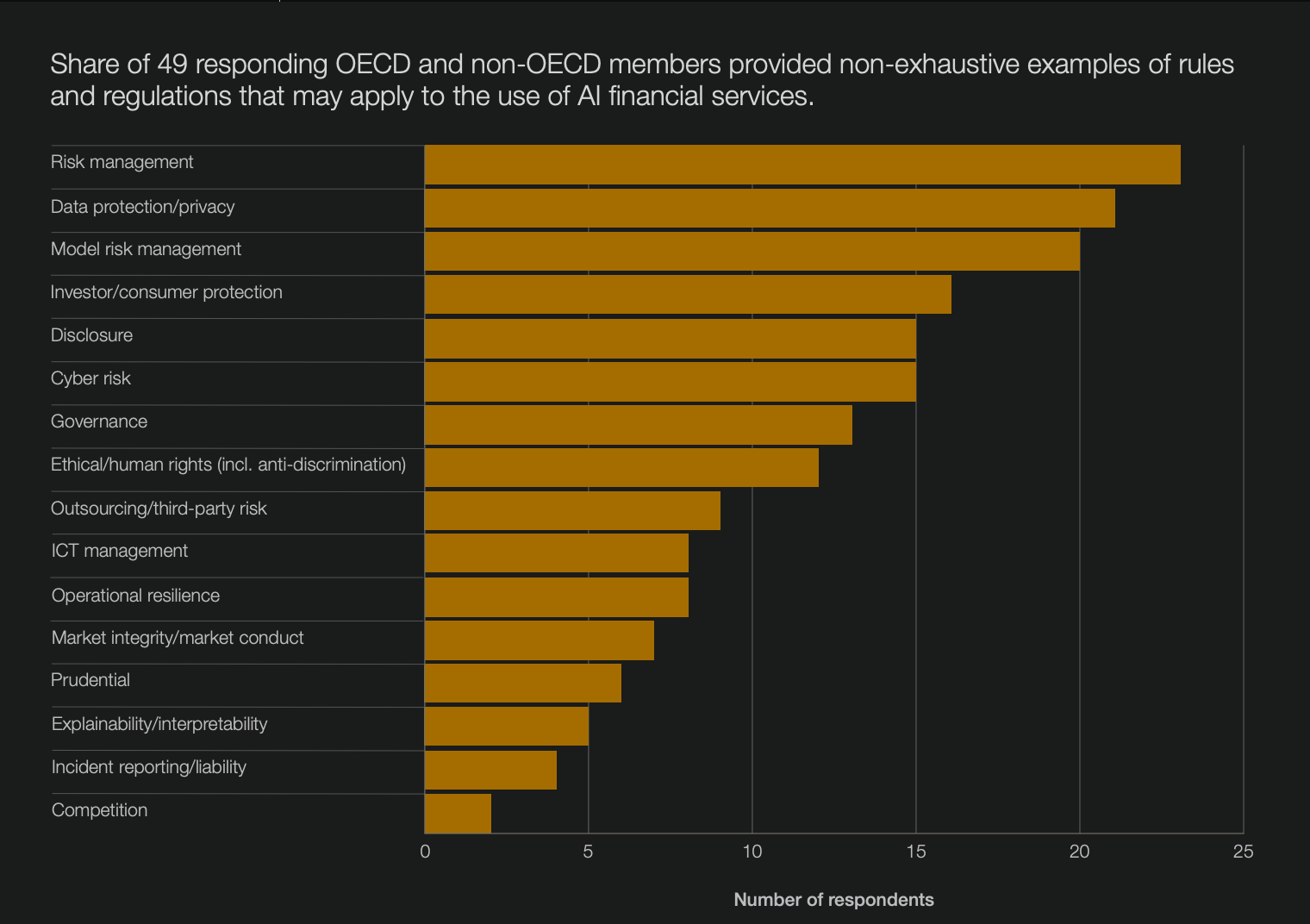
Key Stats:
- 89% of financial firms report improved fraud detection after implementing AI
- AI trading platforms reduce operational costs by 25%
- Real-time compliance monitoring improves reporting accuracy by 35%
Innovations in Manufacturing: Lean, foreseeable, lucrative
A new wave of robotic autonomy and forecasting operations is being ushered in the manufacturing sectors with AI agents assuming control.
A key to the revolutionary change in the manufacturing process is AI agents. Not applicable to factory-floor operations anymore, these smart systems are taking the optimization process to the extreme, meaning from the performance of the machinery to the responsiveness of the supply chain. The result? Reduced prices, increased flows, and more intelligent, less hazardous production facilities.
1. Robotic Automation
The self-learning robots have taken over routine, precision, and high-value works that significantly increase productivity and safety at the workplace in any industrial setting.
- These robots are installed with computer vision and the use of AI in motion planning, learn new parts or processes without reprogramming.
- The collaborative robots (cobots) are safe to work with humans and perform demanding jobs, and require less labor when working with people.
- Round-the-clock work with the help of automation of such functions as welding, pick-and-place, and assembly takes place without the feeling of fatigue.
By giving robots real-time performance feedback, it is possible to have a self-optimization process and therefore ongoing efficiency increases.
2. Predictive Maintenance
Real-time analytics of AI agents on machinery allows predicting when a failure will happen, preventing unplanned downtime, which can be very costly.
- Sensors are used to monitor trends such as vibration and energy consumption, and temperature to identify abnormalities before they become a problem.
- Maintenance is planned according to the actual wear and tear rather than the fixed schedule, hence increasing the life of assets.
- Maintenance can be decreased by up to 29% whilst bringing the reliability of operations up using predictive maintenance.
3. Process Optimization
AI-based data-driven decision-making guarantees a streamlined workflow, resources, and production plans.
- AI is used to compare historical and real-time data on production lines to detect inefficiencies or delays.
- Agents change the input, machine settings, or the allocation of resources dynamically to determine quality and speed.
- Using AI simulations, one will know the effects of changes in the process and make wise decisions without causing major upheavals through trial and error.
The manufacturers will enjoy increased yield rates, less consumption of energy consumption, and a greater coincidence with the demand dynamics.
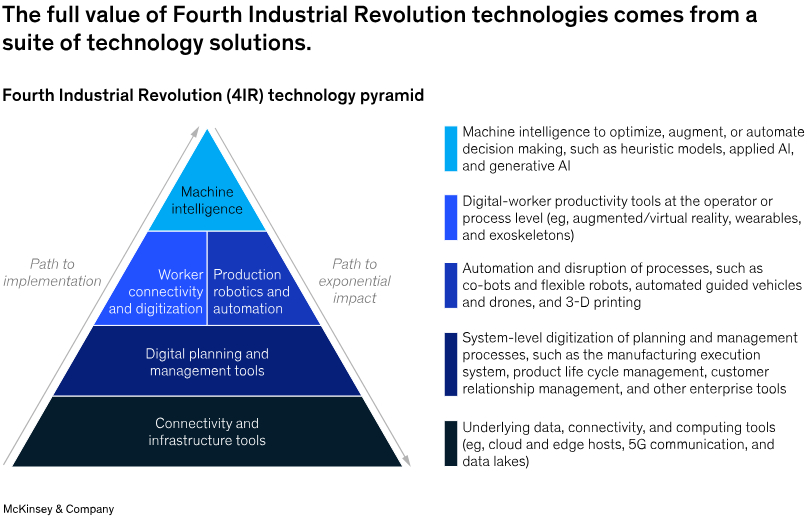
Key Stats:
- 29% reduction in maintenance costs with predictive AI systems
- 12% average increase in overall equipment effectiveness (OEE) post-AI adoption
The Evolution of Retail and E-commerce: Precision and Personalization
Artificial Intelligence is also transforming the rule book of customer experience in the retail and e-commerce industry, and providing personalized customer journeys with streamlined backend processing. The seamless shopping experiences can be realized by businesses using real-time data and automation to streamline operations on the back-end.
Personalized Recommendations
AI data helps to display a hyper-relevant product based on customer preference and behavior patterns in real time. Such suggestions raise conversions and prompt a customer to make purchases again because all the interactions seem personalized.
Enhancement of the Inventory Management
Due to smart agents, demand is forecasted, and stock replenishment is automated to minimize the overstock scenario and an empty warehouse. This results in improved supply chains, product availability, and loss of sales opportunities.
Transformation of Customer Experience
Chatbots and recommendation engines powered by AI are the means of increased user engagement and customer satisfaction. They also send out fast and correct answers on multi-channel platforms, shortening wait times and making communication with customers seamless.
Key Stats:
- 73% of e-commerce transactions are expected to occur via mobile in 2025
- Personalized AI recommendations boost sales by 20%
- Inventory turnover improved by 35% using AI agents
Optimization of Human Resources: Intelligent Human Resources Management
AI revolutionizes HR, tasking it with recruitment, engagement, and performance management to be much more data-informed and efficient. Using such smart tools will not only make the hiring and retention path smooth, but will also make employees feel more satisfied by providing fresh answers in real-time and being personal and smart.
Automatic Recruitment Process
Natural language processing is deployed in AI filters that match the candidates with job positions and initially screen the resumes with pre-qualification criteria. Automation of these initial processes allows HR departments to save considerable time on the overall time-to-hire and spend more of it on cultural fit and long-term potential assessment of high-quality talent.
HR Technology
AI helps to keep track of employee mood, prescribe individual engagement approaches, and forecast flock risks with minimal human control. This allows organizations to counter dissatisfaction and poor morale before they escalate proactively.
Workforce Analytics
Artificial intelligence-based smart dashboards monitor productivity, attendance, and performance indicators to suggest any necessary actions to improve the planning. Such insights assist managers in making competent choices concerning promotions, training, and allocation of tasks, which enhances team productivity.
Key Stats:
- AI reduces time-to-hire by 50%
- 70% of HR leaders use AI tools for workforce planning
- Companies using AI in HR report a 31% improvement in employee engagement
The Positives of AI Agents in Any Industry
The justification for using AI agents has never been as good as now. Whether it is the front-end service automation or the back-end optimization, these intelligent systems promise quantifiable benefits in all fields and applications.
1. Increased Efficiency
- AI processes routine work, which allows human beings to work on strategic decisions and value-added production.
- The process of scheduling, entry of data, and answering customer queries is done here simultaneously and 24 hours a day.
- The AI agents minimize the occurrence of human error and guarantee a quicker procedure, especially in time-sensitive areas.
- It releases employees to think outside the box, good problem solving, and a better customer experience.
2. Cost Reductions
- Reduce the cost of production through a decrease in actual labor and incidents of inefficiencies.
- Companies cite cost savings from reductions in staffing in routine functions and reduced overheads.
- AI does away with expensive errors in regions such as billing or documentation, and order fulfillment.
- The use of predictive analytics contributes to the efficient use of resources and avoids overrunning the budget.
3. Increased Power of Security and Accuracy
- AI has a consistent output and ensures real-time monitoring, which enhances compliance and data security.
- Anomalies are detected early, so that before fraud can be developed or an attempt to break a system, it is reported and made known by agents.
- Version controls and in-built audit trails facilitate administrative responsibility and compliance with regulations.
- The capacity of AI to learn and advance with time increases the accuracy of decisions throughout functions.
Issues and Ethical Concerns
Although there is an attraction, the deployment of an AI agent has to be dealt with responsibly.
- AI Ethics: Continuous testing of their model will make firms cautious against the risk of making decisions based on prejudiced results.
- SWR Compatibility of solutions: Scalability of solutions: Not every organization is prepared to implement a massive AI; intelligent agents should be able to be adapted to any organization.
- Workforce Readiness: With repetitive tasks and administrative duties being taken over in an AI framework, it will be important to train employees how to work with these systems.
Are we ready for the Agentic Future?
The facts are out there: intelligent systems transform industries on the fly. Artificial intelligence agents occupy the central place in business transformation strategies and may present reliability, efficiency, and quantifiable impact.
In 2025 and beyond, those organizations that made the early investment in AI are going to be at the forefront. Intelligent agents are the future when it comes to streamlining customer service or automating your supply chain.
Frequently Asked Questions
Q1. What industries are using AI agents in 2025?
A. Healthcare, finance, manufacturing, e-commerce, HR, logistics, and more are actively deploying AI agents.
Q2. How do AI agents improve efficiency in healthcare and finance?
A. They automate administrative work, provide real-time insights, enhance diagnostics, and detect fraud.
Q3. What are the benefits and risks of using AI agents in business?
A. Benefits include cost savings, scalability, and accuracy. Risks involve ethics, data privacy, and readiness.
Q4. How is predictive maintenance changing manufacturing with AI?
A. It reduces unplanned downtime, cuts costs, and enhances equipment lifespan using real-time monitoring.
Q5. Can AI agents replace human customer service roles?
A. They can handle most routine tasks and queries, but complex issues still benefit from human intervention.
I’m Dinesh Goel, a 3x founder with over 12 years of experience building and scaling tech startups from the ground up to $50M+ in ARR.
Currently, I’m building Robylon AI, where we help businesses automate over 80% of their customer support across chat, tickets, voice, and social using AI agents.
Previously:
Aasaanjobs – A hiring platform scaled to ~$50M ARR and acquired by OLX within 4 years.
Oneworldnation – A blockchain gaming startup that reached $2M ARR before a sudden tax policy shift.
At Robylon, we're focused on real, measurable outcomes:
90%+ query automation
90%+ faster resolution
30%+ cost savings
With a pay-per-resolution model, clients only pay for results.



