Artificial Intelligence has achieved remarkable feats, from recognizing images and translating languages to beating humans at chess. However, AI is not all-powerful, as there are key domains and tasks where it falls short of human capability. Current AI systems are “narrow” specialists that excel in well-defined problems but struggle with general situations requiring common sense, creativity, or emotional understanding. In this article, we explore several domains and real-world applications that AI cannot (yet) effectively replace, further highlighting AI’s inherent limitations that keep humans essential.
Table of contents
AI is incompetent in the following domains:
Creativity and Originality
Creativity is one of the things that most people mistake AI’s capabilities for. So, some level of disillusionment is required to get things started:
AI is not truly creative in the human sense
So far, AI mimics! It doesn’t innovate with meaning or intent. In creative domains, human ingenuity still has the upper hand. While AI can produce art or writing by learning patterns from existing works, it lacks imagination, cultural insight, and emotional depth. It excels at synthesizing existing information, but struggles with ingenious creation. This means an AI artist can remix styles or an AI writer can imitate a genre, but coming up with a profoundly original concept or a story that resonates on a deep human level is another matter.
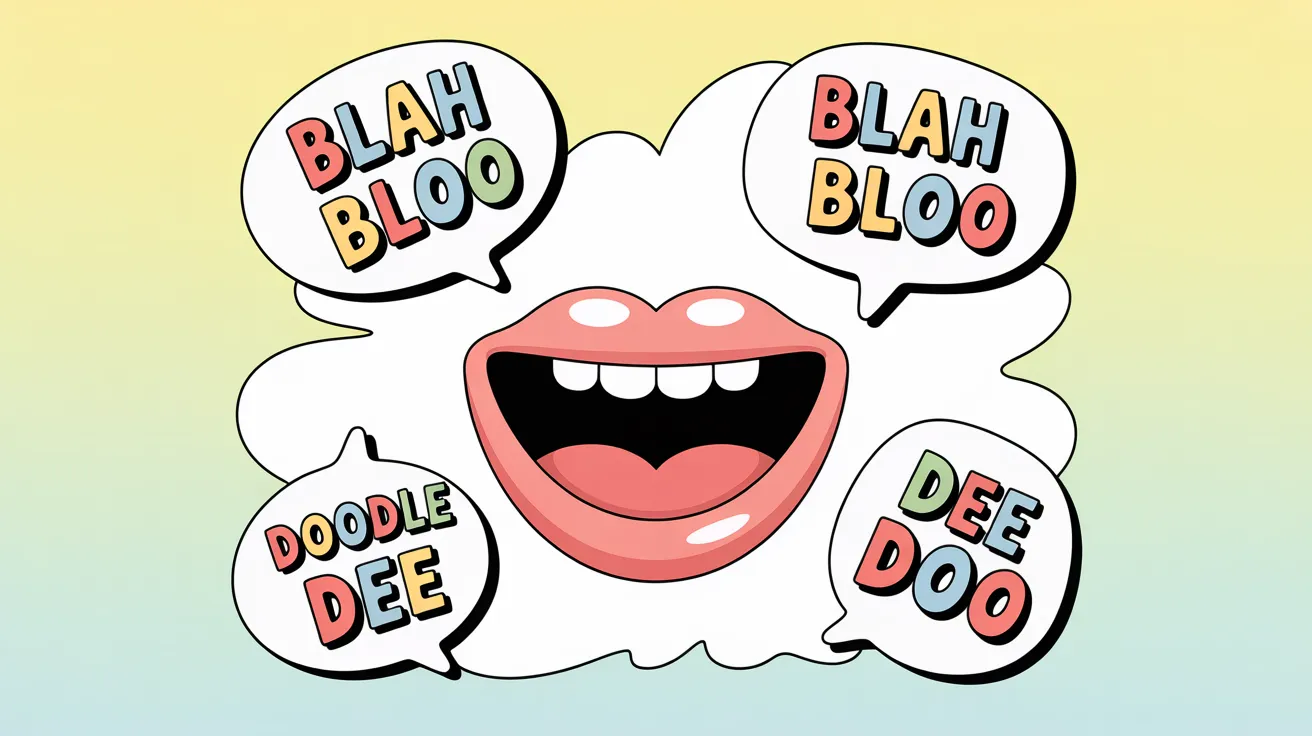
In one survey, 76% of people said AI-generated content isn’t “real art,” perceiving a lack of authenticity or soul in contrived creations. Human creators draw on personal experience, emotions, and intent – they create because they want to express something. AI has no inner voice or purpose; it generates outputs because it was told to. Thus, fields that thrive on original ideas and creative risk-taking – from scientific innovation to novel writing and design – remain hard for AI to truly disrupt. AI is a powerful creative tool, but as of now, it is more like a clever imitator than a source of genuine inspiration. Experts liken AI to a “mouth without a brain”. Understandably so!
Ethical and Moral Reasoning
AI lacks a genuine moral compass or understanding of ethics. But this is partly due to the complexity of moral dilemmas. There are no hard-and-fast yes or no, when it comes to ethical considerations. They change over time and are greatly influenced by culture and politics. AI can follow programmed rules, but it does not possess human values or a conscience. As a result, AI lacks the values, empathy, and moral reasoning needed for complex ethical decisions.
For example, we would not entrust an AI to make life-and-death choices in a medical triage or autonomous vehicle scenario without human oversight. AI might optimize for outcomes (like efficiency or utility) without grasping fairness or compassion. In criminal justice, algorithms used for sentencing or policing have shown bias due to being trained on historical data, which can reinforce unfair prejudices.
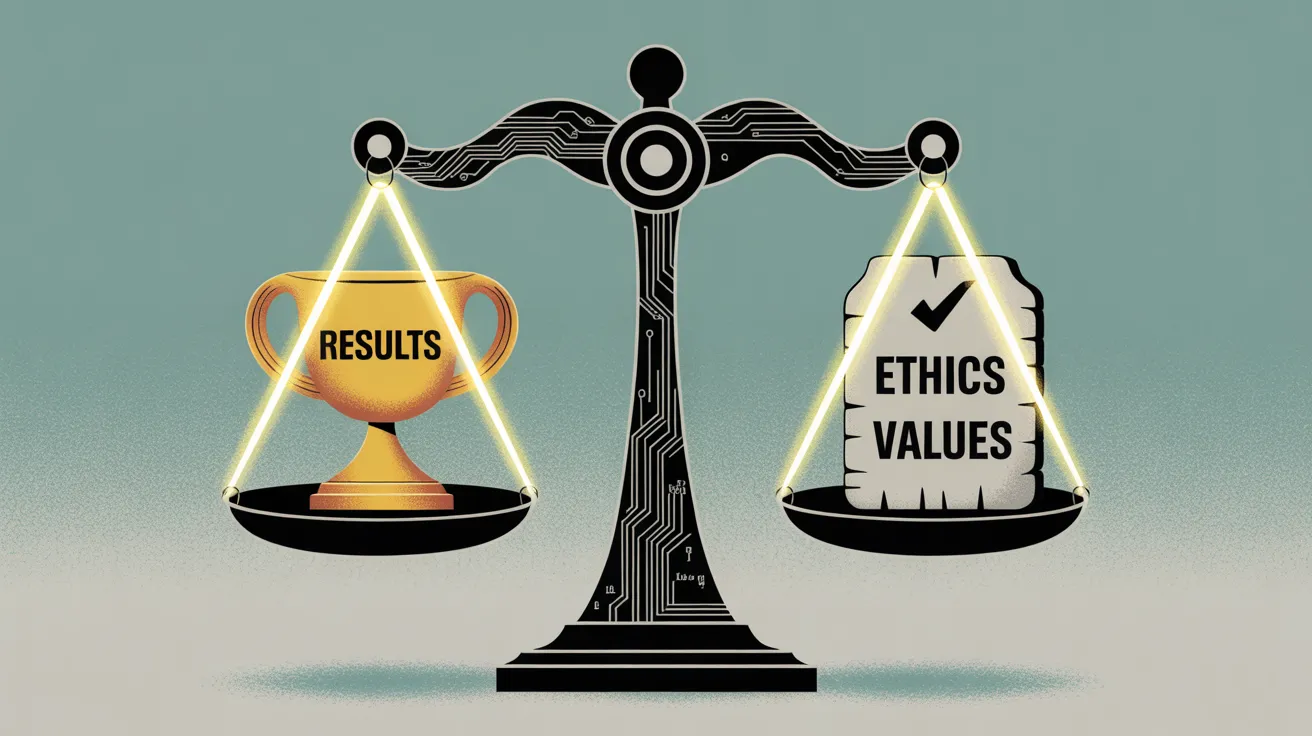
These tools fail to recognize individual circumstances or fairness, underscoring that machines lack the human capacity for moral reasoning and compassion. In short, whenever a decision involves ethical judgment or accountability, human judgment remains irreplaceable to weigh right and wrong in ways AI cannot.
Judgment and Human Values
Real-world decisions don’t have a single correct answer. They depend on personal values, cultural context, and situational judgment. AI doesn’t understand any of that. It runs on data and goals, not meaning.
Take something like picking a design for an advertisement campaign or shaping a community policy. It’s not just about what performs well in tests. It’s about what fits, what feels right. The aesthetics, the values, the tone, all of that comes from human experience. There is no one-size-fits-all solution in terms of human values, as they are heavily shaped by past experiences. AI can’t read a room. It doesn’t know what something means to someone.
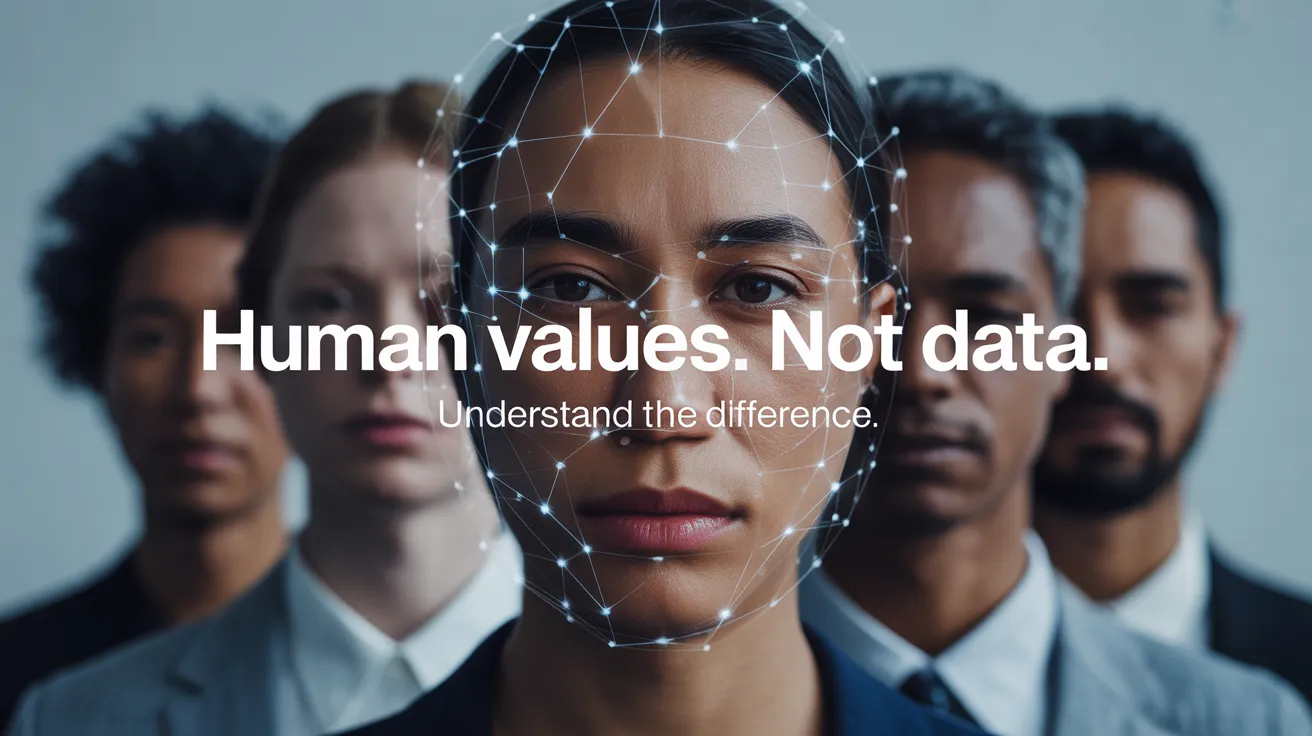
That’s why choices tied to ethics, culture, or judgment still need humans. We see the nuance, the context, and realize when something feels off, even if the numbers look good. AI just isn’t built for that kind of understanding. A good precedent for this would be the Dutch Welfare Policy. This program was introduced to provide financial assistance to the denizens of the Netherlands, where the choice of eligible candidates depended on an ML algorithm. But due to flawed predictive tools, the Dutch welfare system disproportionately evaluated immigrants and low-income women. Further underscoring the bias in its training data.
Emotional Intelligence and Empathy
Emotions and empathy are fundamental to many human roles, and a major AI blind spot. AI can simulate polite conversation, but it lacks emotional intelligence and cannot truly understand or share feelings. For example, in healthcare and therapy, patients often need compassion and emotional support in addition to factual advice. Comfort and assistance alone suffice in certain scenarios for treatment (Psychosomatic diseases).
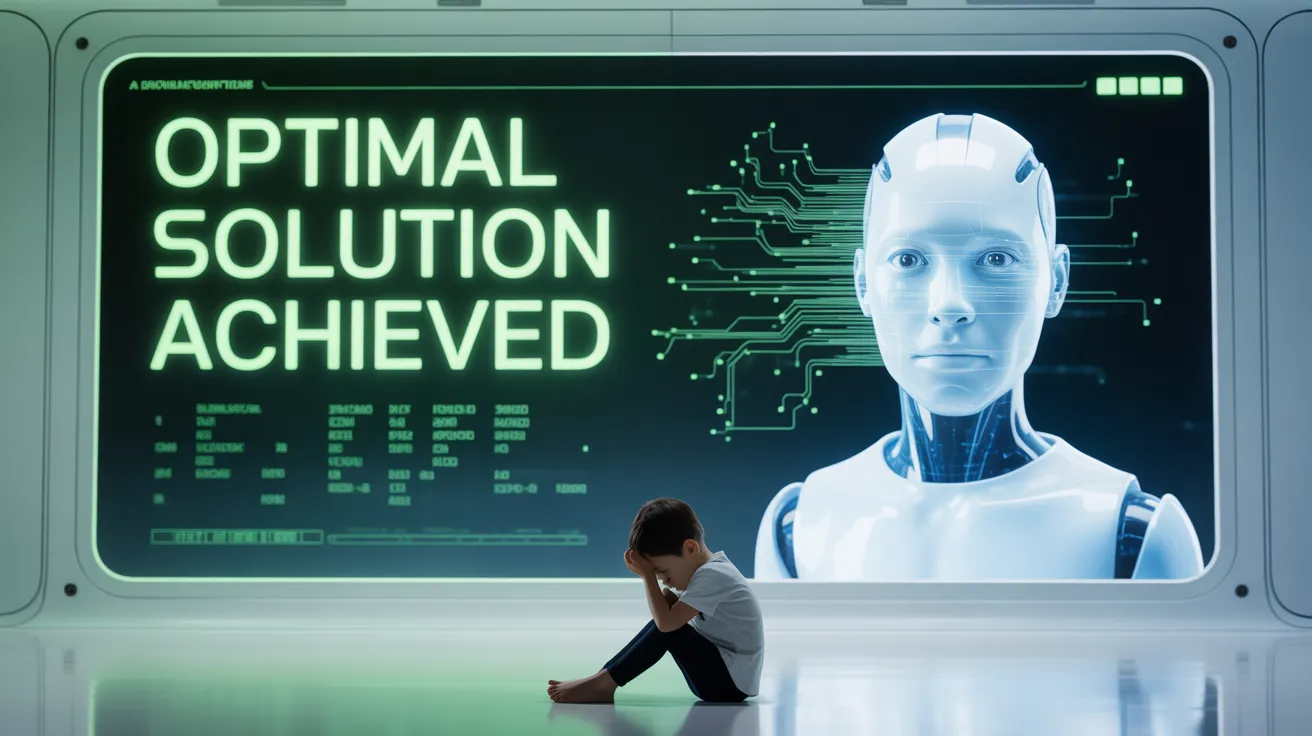
An AI therapist or caregiver might provide information, yet cannot respond to the unspoken emotional cues that a human would pick up. Similarly, customer service chatbots can handle simple queries, but an angry or distressed customer might require a human agent who can empathize and de-escalate. Building meaningful relationships – whether as a teacher, counselor, or nurse – requires empathy, nuanced understanding of feelings, and adaptability to social cues, which are uniquely human traits. Real-world experience reflects this: roles in nursing, counseling, and social work continue to rely on the human touch, as AI cannot replace the warmth and understanding these jobs demand. Until AI can genuinely feel or at least deeply model human emotion, its limitations remain in any application requiring emotional connection.
Physical and Sensorimotor Skills
Robots endowed with AI have made strides in controlled settings (like factories), but they struggle with the physical world’s complexity. There is a well-known insight called Moravec’s Paradox: tasks humans find easy – walking, perceiving, and manipulating objects – are among the hardest for AI to replicate. An AI can beat a grandmaster at chess, yet a household robot still can’t reliably fold laundry.
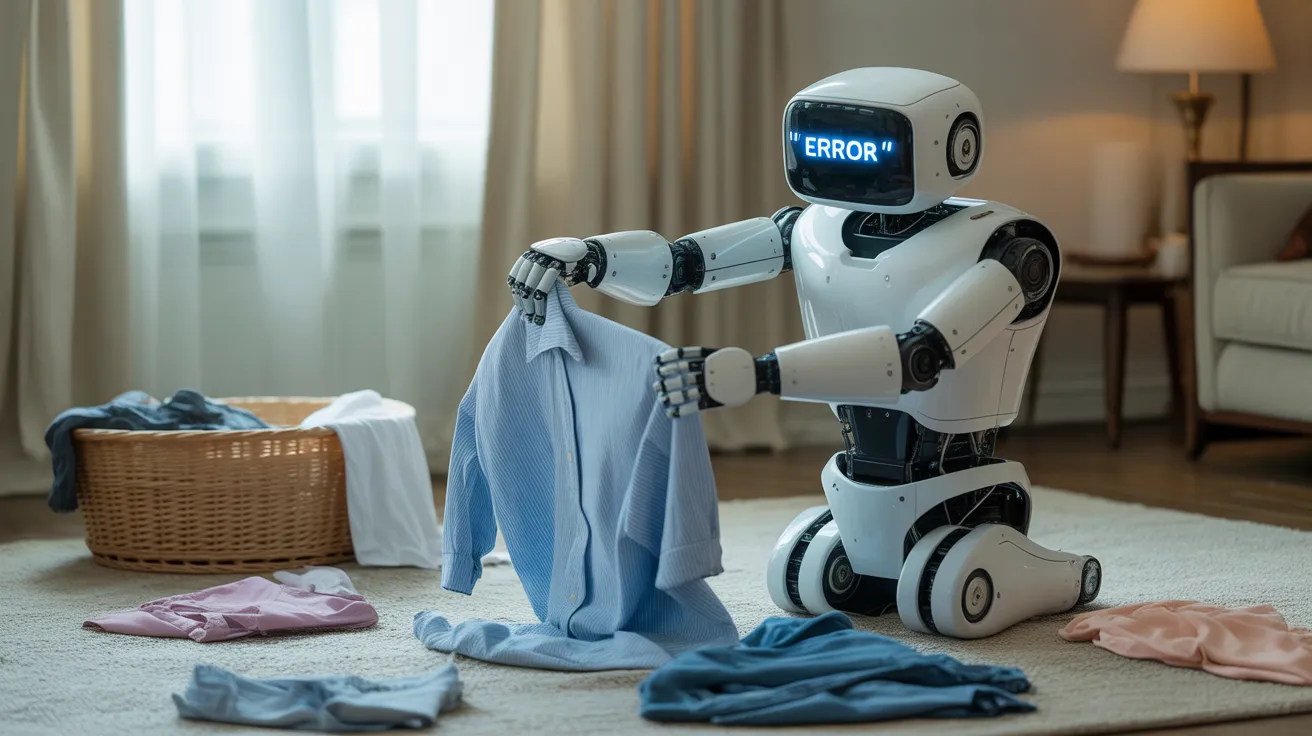
Perception and sensorimotor skills that we take for granted require real-time understanding of countless variables, something AI finds extremely challenging. For example, an autonomous vehicle can drive optimally on mapped roads but may falter in unpredictable, unstructured environments – say, dealing with unexpected road debris or human gestures – where context changes rapidly. A caregiver moving a patient or a chef adjusting a recipe in real time relies on intelligence and physical intuition that AI lacks. Despite advances in robotics, human dexterity and real-world adaptability are still largely unrivaled.
Leadership and Strategic Vision
Leadership is about motivating people, exercising judgment under uncertainty, and building trust. These are areas where AI struggles, as reading out of a manuscript isn’t helpful. Managers and executives depend on interpersonal and strategic skills that AI cannot mimic. Things that they assimilate across years and years of experience.
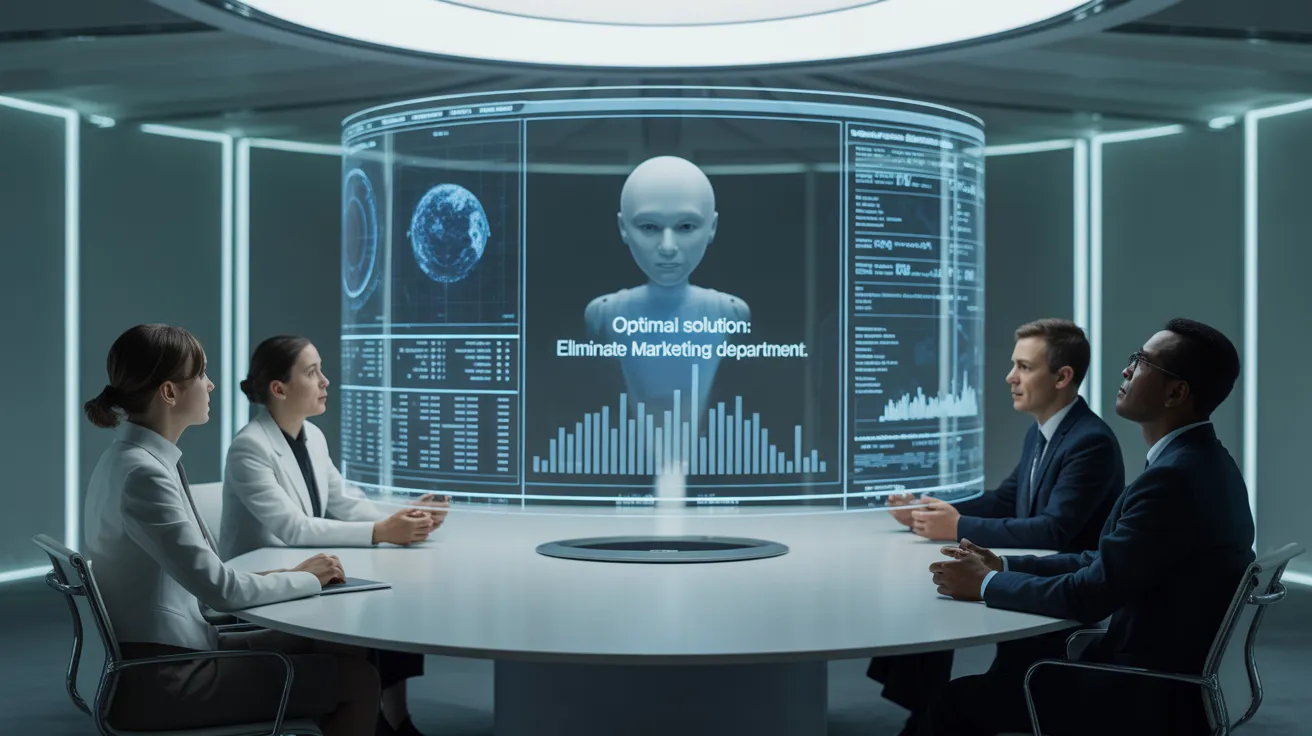
An AI might process business metrics faster than any human, but it won’t sense team morale or instinctively predict how a proximal favorable decision’s future consequences. Communication and empathy are essential to good leadership, inherently human qualities. As one analysis said, the act of inspiring and guiding others through vision, empathy, and communication is a human ability beyond AI’s reach.
Additionally, people are often reluctant to follow a machine’s directives on important issues; we want accountable leaders who understand our values and can be held responsible for their decisions. With machines, who is to blame for a mishap? The programmer? The company? Humans like to pinpoint root causes. And if it somehow comes to an AI, there is no foreseeable solution or limitation altogether.
Patterns
Factoring in all the tangents of AI limitations, the following observation can be made:
AI struggles with subjective decision-making. Thereby, making it inept at anything that isn’t a binary.
Factoring in all that we went over in this article, some clear patterns emerge:
- AI perceives patterns, not meaning: It processes data without truly understanding context, emotion, or intent.
- AI handles rules, not ambiguity: It works in structured environments but breaks down in unpredictable, messy real-world situations.
- AI imitates, it doesn’t originate: It remixes existing inputs without genuine creativity, intuition, or self-driven purpose.
- AI operates without consequence: It can’t care, be held accountable, or make morally grounded decisions the way humans must.
- AI knows facts, not wisdom: It lacks the judgment, flexibility, and perspective that come from lived experience and human insight.
Are the Limitations of AI Constant?
The observations made here are based on the current capabilities of AI, which might evolve in the future. As the domain continues to evolve, the list of limitations is getting narrower by the day. It won’t come as a surprise if, in the future, AI surmounts some of the challenges that’ve been listed in this article. But there are a few facets, such as Ethics, in which if the AI can break through, we might be witnessing a paradigm shift in the way AI operates.
Frequently Asked Questions
Q1. Why can’t AI replace human creativity?
A. AI mimics patterns from existing data but lacks imagination, emotion, and intent. It doesn’t create with purpose or meaning, just outputs based on training. Humans draw from personal experience and emotion to create something original. AI can remix, but not truly innovate.
Q2. Can AI be trusted to make ethical or moral decisions?
A. No. AI doesn’t understand ethics, it just follows rules. It lacks empathy, cultural awareness, and a sense of right or wrong. In complex decisions involving fairness or accountability, human judgment is still essential.
Q3. Where does AI fail most in real-world applications?
A. AI struggles in unstructured, unpredictable situations. It can’t read emotions, handle nuance, or adapt like humans. Roles needing empathy, judgment, or physical intuition, like caregiving, leadership, or social work, still depend on people.
I specialize in reviewing and refining AI-driven research, technical documentation, and content related to emerging AI technologies. My experience spans AI model training, data analysis, and information retrieval, allowing me to craft content that is both technically accurate and accessible.