Can you imagine scrolling through your social media feed and seeing another headline shouting that AI will take over your job? Your gut drops. Should you care? The actual truth no one wants to speak about is this: AI is truly incredible at about 95% of tasks, but in actuality, it is the other 5% that makes you irreplaceable. Machines can learn to recognize patterns, analyze data, and complete repeated tasks at speeds that humans simply cannot. But there will always be a sliver of work that will remain human.
This isn’t a sentimental or wishful thought. It is about knowing where your actual value lies. That 5% encompasses all of the messy, complicated, and all too human capabilities that no algorithm could ever replicate. That is – empathy that can see beyond the words, creativity that can challenge the premise, judgment that can navigate the murky ethical gray area, and the mere ability to build trust from human-to-human connection. The question will no longer be if AI is becoming better at doing those tasks. Spoiler alert – it will. But are you establishing or investing in those aspects of yourself with resources that will become more valuable, as AI handles all of the rest?
Table of contents
The AI Revolution Is Here (And It’s Not What You Think)
To be honest, approximately 99% of companies are investing in AI today, and practically all of those companies think they are in the early stages, except for a handful that think they have matured. We are still exploring, but as we head to the AI revolution, we will realize we are not going to replace any human skill with AI, particularly when it comes to creativity, leadership, or learning.
If your organization shifts its mindset from being threatened by AI to treating AI like the best intern in the world. A master at calculations. Pattern matching that is far better than what a human can accomplish at a repetitive task. However, ask yourself this: can you depend on AI to read a room in a heated client meeting? To share ideas with a colleague who is struggling? To generate a completely new idea that breaks every rule? That is the magical 5%.
Your Human Superpower Portfolio
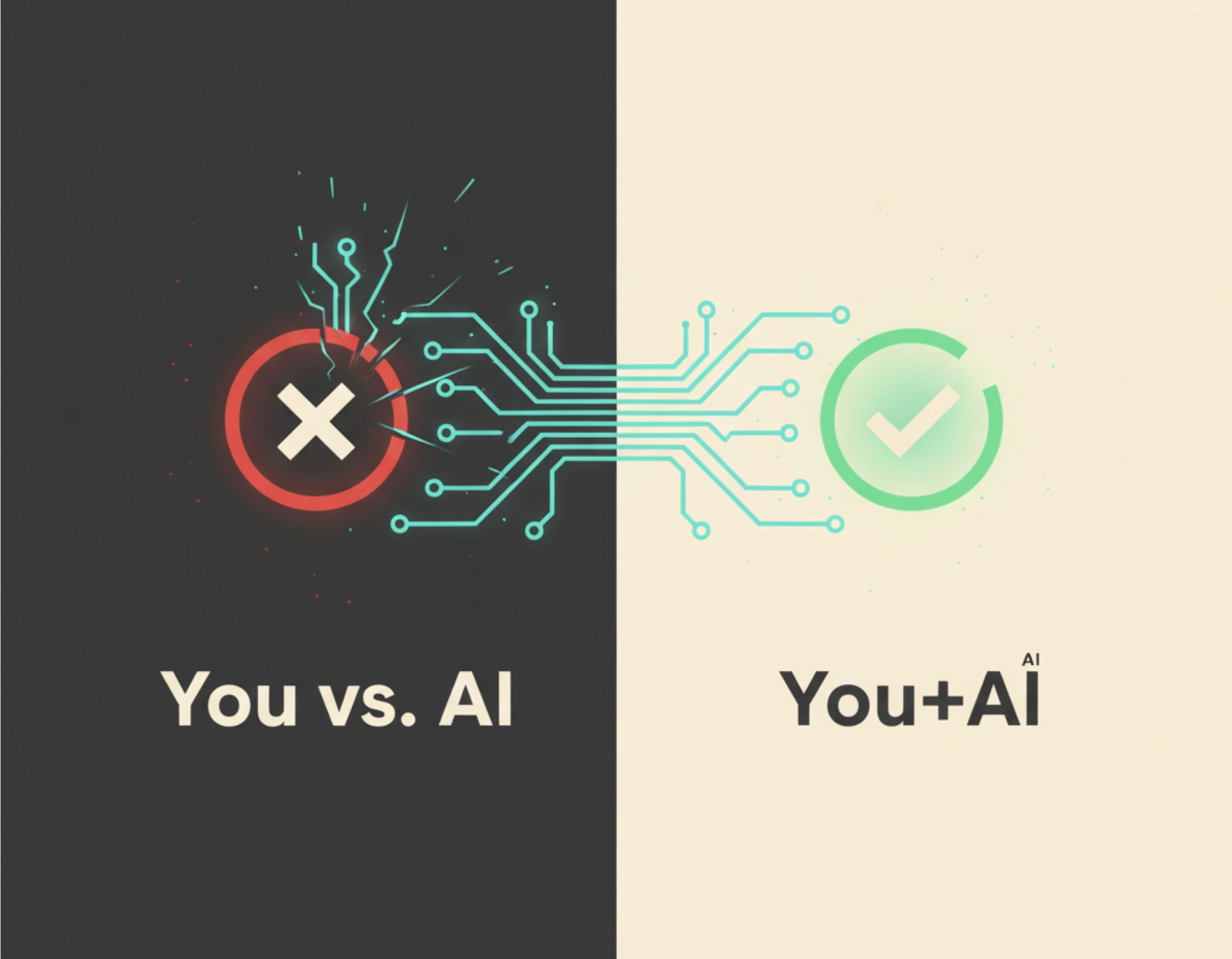
What can you do that AI cannot? The work tasks that AI is least likely to take over require distinctly human capabilities, namely empathy, judgment, ethics, and hope. Let’s explore your unfair advantages:
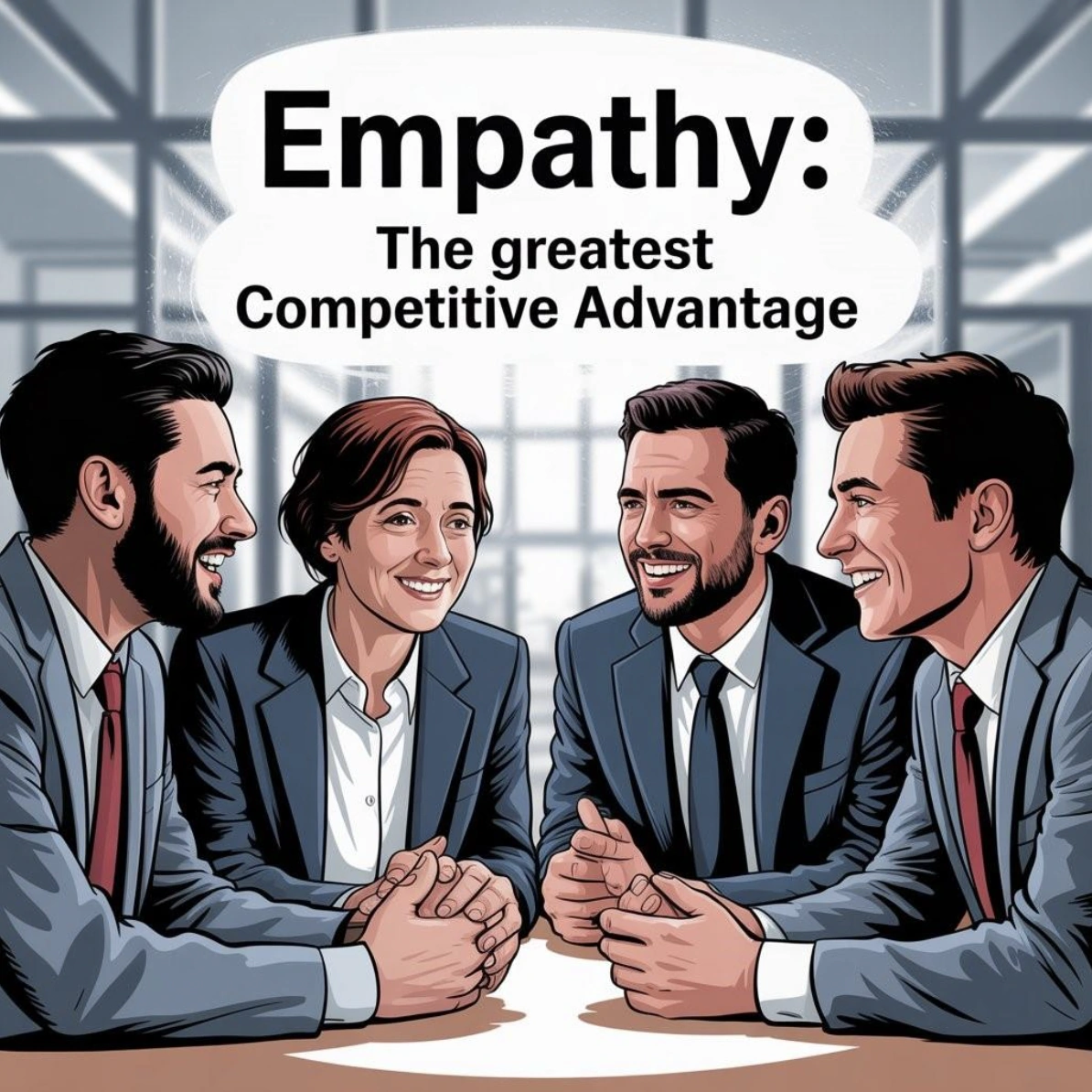
1. Empathy: The Greatest Competitive Advantage
Undoubtedly, decision-making, morals, empathy, forming relationships, and resolving conflicts are human qualities that can be counted among the most important skills for a person to be able to survive in a future world where AI is a factor. Yes, AI can map out emotional patterns from a person’s text or voice, but it will still not be able to tell how heavy silence is for someone. It will be unable to figure out when a colleague needs support and when it is the right time to let them be.
Yes, AI can measure feelings and suggest the next steps based on its measurements. However, it cannot deeply comprehend human emotions, nor does it provide an intervention that is truly contextually meaningful. If an employee divulges their frustrations over burnout during the conversation, AI might classify the employee as frustrated and perhaps recommend a wellness app. On the contrary, you remember that they mentioned something about their kid’s soccer game last week, and you just ask how it went. That’s because sometimes we all just want to feel that someone is noticing us!
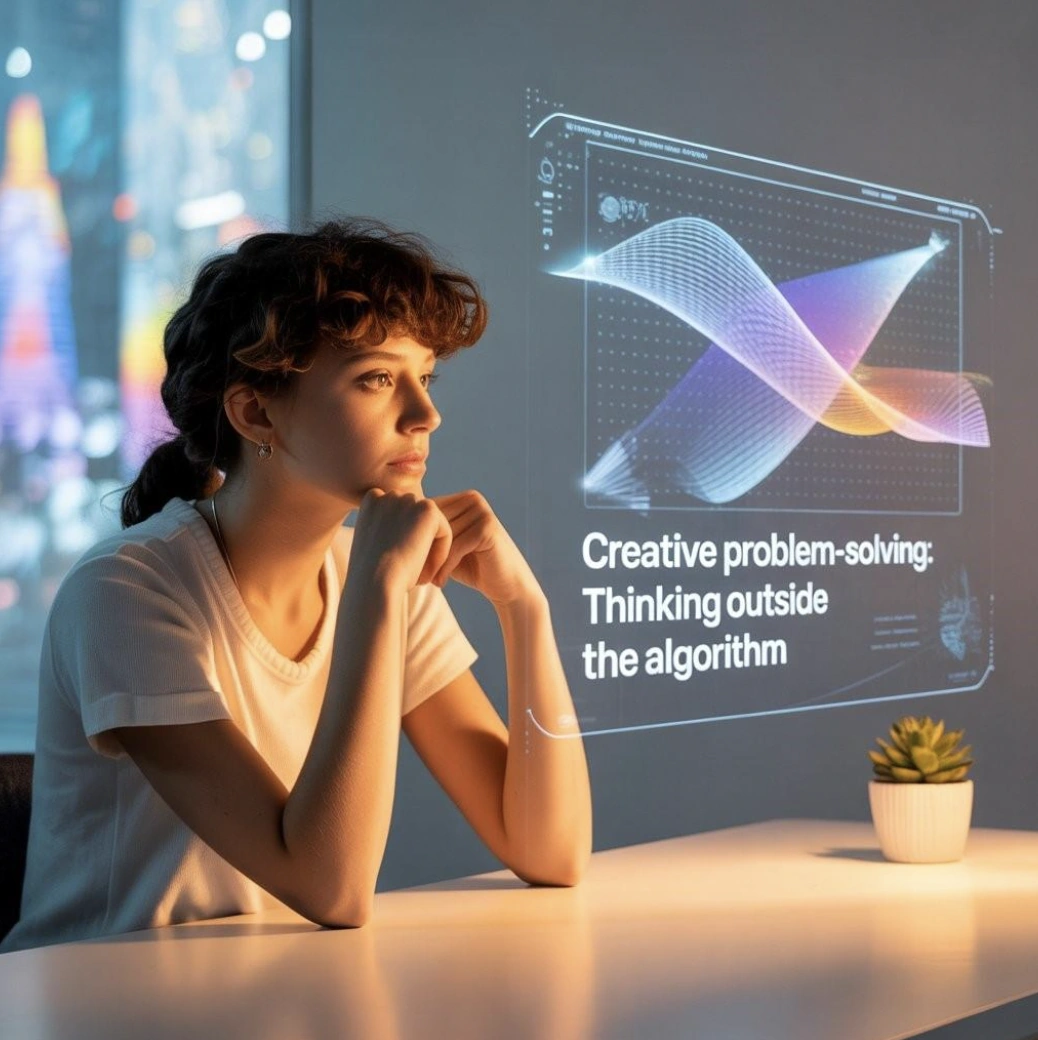
2. Creative Problem-Solving: Thinking Outside the Algorithm
AI excels at solving problems within a prescribed set of parameters. But who sets the parameters? You do. There are some human capabilities that machines cannot equate to; specifically, deeply human skills such as instinctual design, creative problem solving, and empathetic awareness.
The best innovations stem not from the optimization of solutions already in existence; they come from asking ourselves if, in fact, we are solving the right problem to begin with. AI tells you the “what” and the “how,” but you provide the “why” and the “what if.”
3. Ethical Navigation in Gray Zones
Artificial intelligence is operating within a data structure and the world of probability. Life, however, is fundamentally complicated with a multitude of symbols, with sometimes the “right” answer changing, depending on the varying situations, cultures, or value belief systems. Is it okay that I revealed this? Is it more convenient to talk about this subject now? What is the most compassionate thing to do in this situation?
These decisions are prime examples of situations in which AI is unable to assist in the decision-making process. Human history and ethical considerations, as well as the ability to balance competing values in the moment, are essential.
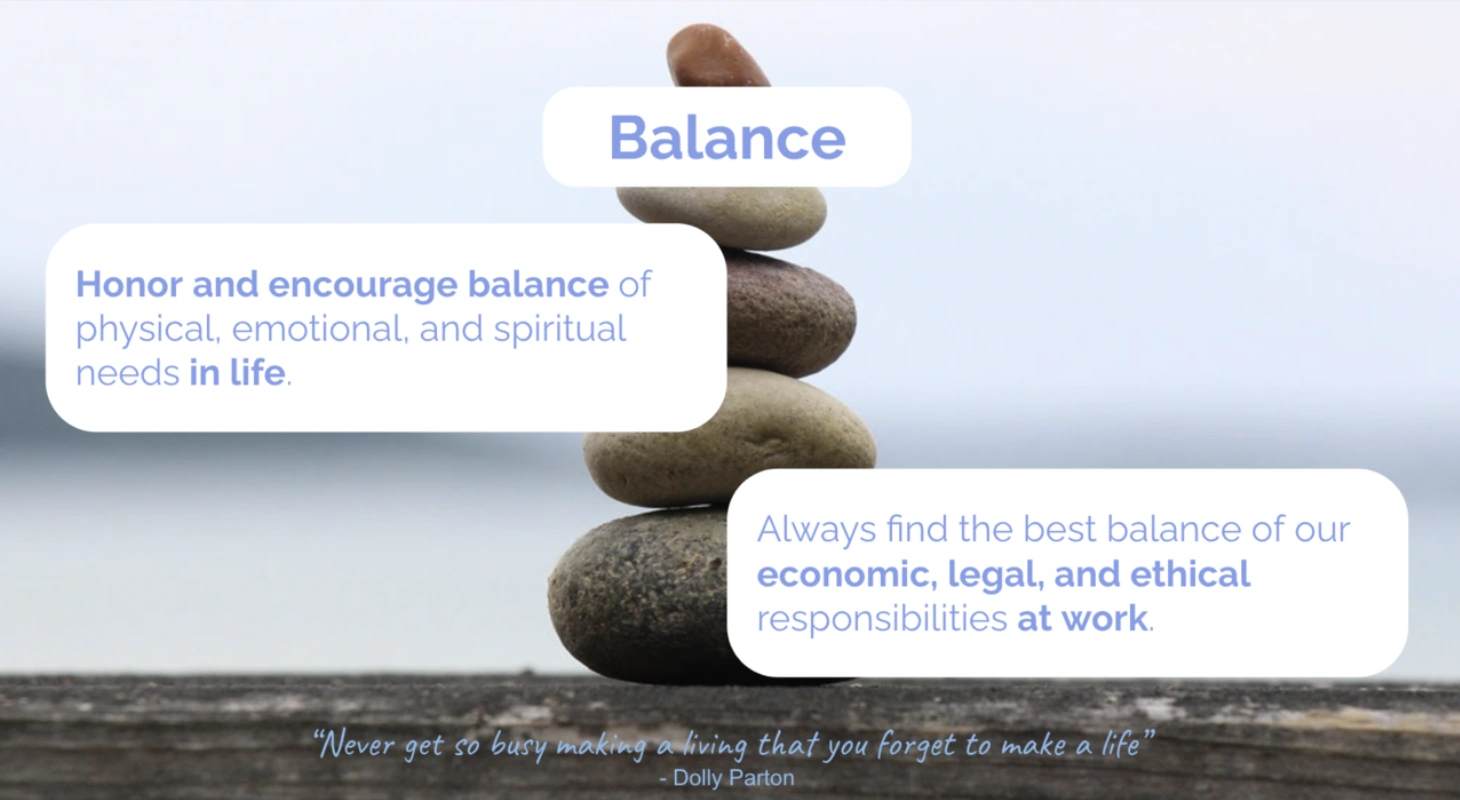
4. Building Trust and Authentic Relationships
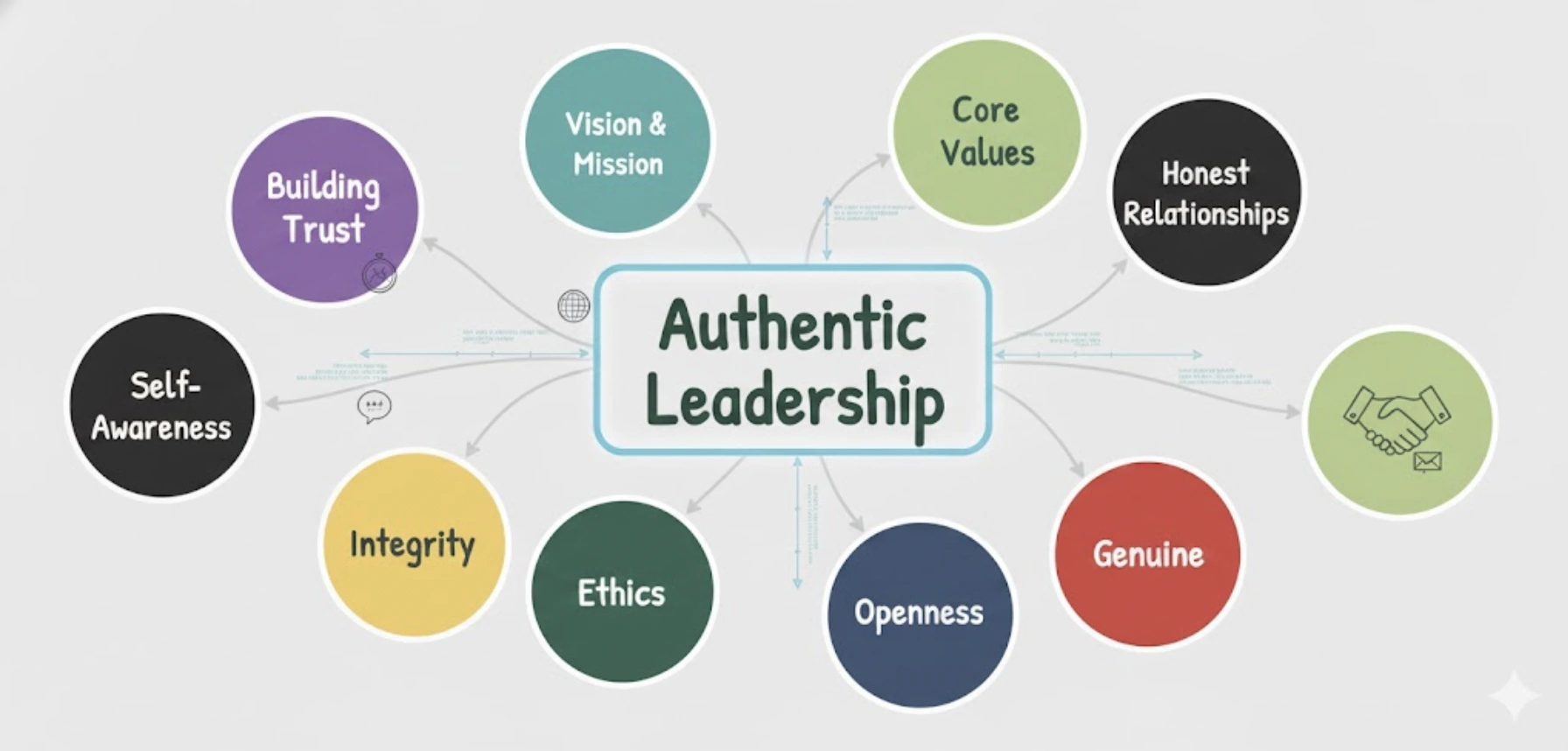
Leaders who demonstrate transparency, accountability, and empathy create teams that can work more effectively together, even as technology changes. Trust cannot be issued by a machine. An authentic connection cannot be manufactured. Trust emerges from consistency, vulnerability, and commitment, especially when it matters most.
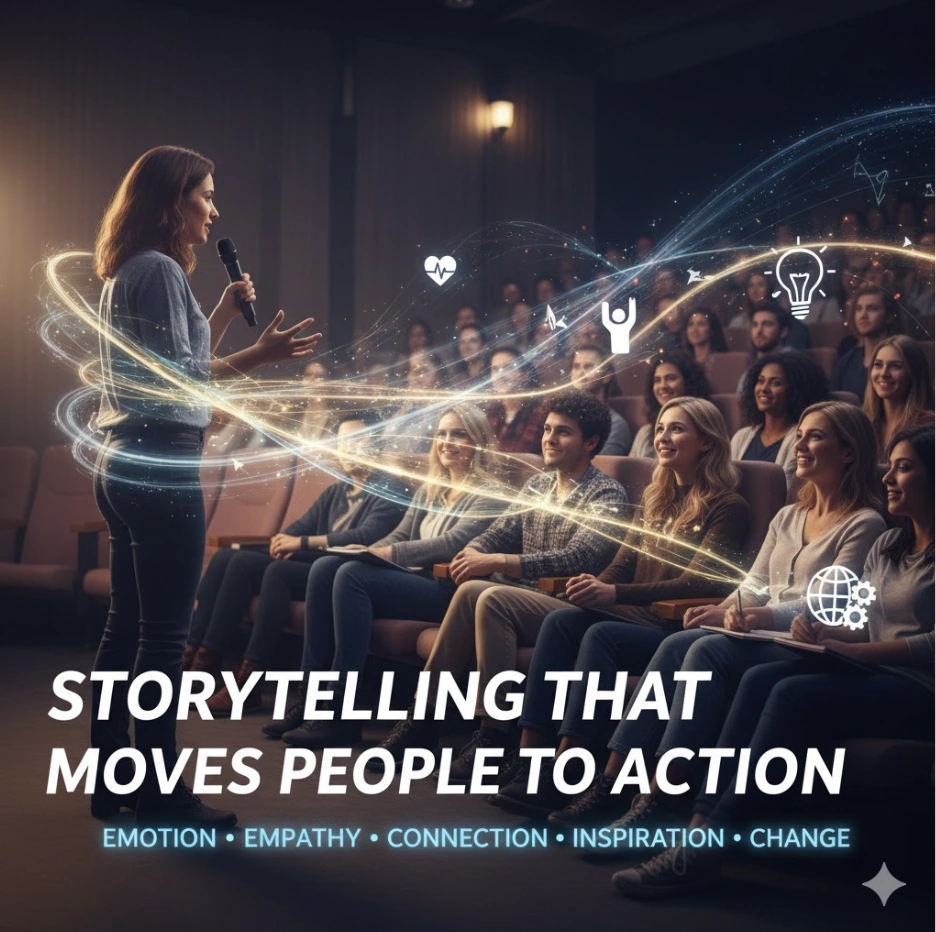
5. Storytelling That Moves People to Action
AI can write narratives, but not ones that will resonate deeply with us. What is the difference? You have experienced failure, you have felt ecstatic in an unforeseen win, and you may have even thought you wanted to kick your cat mentally for turning you down. You see, when you tell a story about a personal experience, your audience is not just hearing the words you say; they are feeling the truth in the words you say.
Great storytelling is not predicated on a perfect organizational structure or perfectly optimized keywords. It is about knowing what details matter, when to pause for perception, and how to weave your authenticity of lived experience into a lived struggle with someone else. AI can generate your structural framework; it is your responsibility to deliver the raw and unrefined authenticity that invites someone in. So much that they lean in, nod, or even think the entire time – “that is exactly how I feel.” At any time you are pitching an idea, leading an idea in a change process, or even bringing an idea to a meeting to help calm your team to a new direction, it will be your ability to build meaning into a narrative that will move a person from information to inspiration.
The Skills Revolution Is Here
However, there is a surprise – with a focus on technology comes a focus on human skills too. As AI takes over an increasing number of workplace technical jobs and tasks, what happens to your human skills? They don’t become worthless – they become more valuable.
The two that were most recommended for upskilling by my business coaches and organizational training teams were project management and UX design – two skill sets that prioritize a merge of technical and human problem-solvers. Do you see the pattern? The future will be for those who can master the combination of technology and humanity.
The Collaboration Sweet Spot
The real benefit comes when you start to think of AI as a collaborator instead of an enemy. When you think of your best collaborations, they worked well because each partner contributed their own superpowers to the equation. This is true here as well.
Use AI to do the mind-numbing, but important work of assessing information, doing initial research, drafting the typical email, organizing schedules, and seeing trends. This frees you up to do the things that really drive progress: thinking strategically, building relationships, innovating, or anything that requires at least some form of nuance.
The professionals who are doing well right now are not looking to fight AI, or not use AI. They are just learning to harness AI to bolster their human skills. Because they are relying on tools to get their work done in less time, and they are applying human reasoning to get their work done in a much smarter way.
The New Leadership Playbook: Humans Managing AI-Augmented Teams
No one ever talks about this: leading teams in an AI-enhanced workplace is an entirely different type of leadership. Your team is no longer working with each other. Your team is working with artificial intelligence and collaborating.
Leaders who succeed in this space realize their role has shifted from task manager to sense maker. While the AI is doing the doing, you are doing the visioning, maintaining team connections, and providing support around the uncertainty of working alongside intelligence systems. You will be helping your team understand the difference between what decisions could be made by AI and what decisions need to be made by people. Or create a climate of psychological safety for leaders and team members to admit when they don’t understand how the AI proposed a conclusion. You will consistently be evaluating whether people are automatically moving to the AI and ensuring independent thinking happens.
This also means having legitimate conversations about the evolution of jobs and assisting individuals to understand they have their own unique 5%. Leaders are coaching their teams to inform those uniquely human skills while utilizing AI to increase efficiencies. Leaders are cultivating cultures where it is acceptable and expected to not just ask the question, “Should we let AI take care of this task, or is this an opportunity for human judgment?”
Cultural Intelligence: Reading the Room Across Contexts
A lot of robots can speak different languages and even change their tone according to the data, but none has ever experienced cultural intelligence. It refers to the ability to recognize the unspoken behaviors, pay attention to the different communication styles, and apply the correct cultural understanding to the situation.
Here is a case in point: in one culture, “we will think about it” is a nice way to say no; in another culture, it is a sign that they are giving it serious consideration. AI will only deliver the literal translation, yet can it also inform you that your straightforward communication suited for New York may be perceived as rude in your Singaporean office?
Cultural intelligence encompasses more than just the global business world. It is the ability to recognize distinctive patterns of communication across generations, to understand the unspoken norms of different sectors, and to determine when it will be the organizational culture’s responsibility to read between the lines. It is understanding when it’s appropriate to infuse humour into the conversation to lighten the mood at a certain moment and when it will be deemed inappropriate. Or the navigation of the differences in leadership style based on changes in team dynamics, while still being authentic to oneself.
This is not something that is simply known or downloaded; this competency is something you build up from your own experience, or through continually observing it in the people around you. It builds from interacting with people free of cultural biases, free of criticism, and with an organic interest in the ways of the world from different people’s perspectives.
How to Cultivate Your 5%?
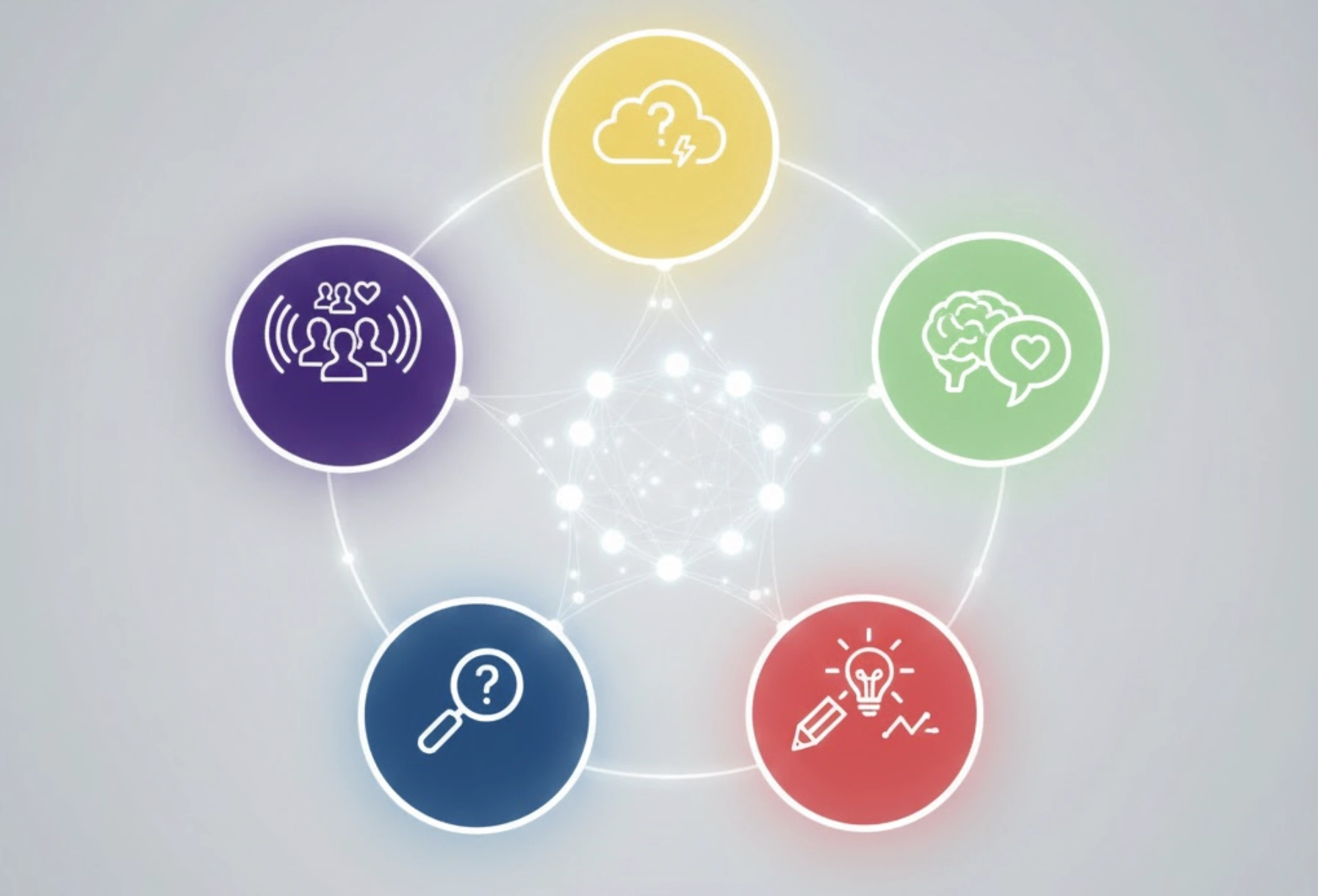
Do not try to compete with an AI in its natural environment because you will never keep up when it comes to speed and computation. Instead, lean into a lot of the things that make you human:
- Practice active listening: Listening is more than just hearing words. It’s listening to understand the emotion, concern, and unexpressed needs behind the spoken words.
- Become comfortable with uncertainty: AI requires clear and definable inputs for any computations. You can tolerate and think about how to react to an uncertain future that has missing variables.
- Cultivate your emotional intelligence (EI): Self-awareness, empathy, and social awareness are no longer just referred to as “soft skills.” They are survival skills.
- Continue to be intrigued about people: Ask better questions. Learn to understand why people are doing. Learn to connect the dots in frameworks.
- Take big creative leaps: Ultimately, large creative decisions like finding space and pacing for the emotional reaction of an audience need a sense of timing and reaction that an AI cannot provide. An AI can compute scenarios; you choose what makes people feel.
Conclusion
The 5% rule is not about identifying the things AI will or will not ever be able to do; the 5% rule is about understanding what is uniquely human that can create actual value in an AI-enabled world. It is much more difficult to teach uniquely human skills and capabilities, such as hope, empathy, and creativity, as opposed to teaching solely technical skills, and that is your value proposition.
So, the next time you notice another “AI is taking over” article in your feed, remember, AI can process information, but you can understand meaning. AI can optimize, but you can inspire. AI can execute, but you can dream.
The issue is not: Is AI going to take your job? The issue is: are you investing in your 5% that will be and always will be irreplaceable? In a world where everyone is able to access the same robust AI functionality, your humanity is not a limitation; it is your superpower.
Gen AI Intern at Analytics Vidhya
Department of Computer Science, Vellore Institute of Technology, Vellore, India
I am currently working as a Gen AI Intern at Analytics Vidhya, where I contribute to innovative AI-driven solutions that empower businesses to leverage data effectively. As a final-year Computer Science student at Vellore Institute of Technology, I bring a solid foundation in software development, data analytics, and machine learning to my role.
Feel free to connect with me at [email protected]