Seedream v4 is the latest image generation model from ByteDance, designed for high-quality, photorealistic results. It supports images up to 4K resolution, advanced editing, and reference-based generation, making it one of the most versatile image processing tools for AI-driven visual creation.
Seedream v4 is not another academic paper you bookmark and forget. It’s an API that turns words, sketches, or your vacation photos into 4K pictures that look like they were shot on a director’s budget. No install, no gigabyte downloads, no command-line tantrums: just an API call and a few seconds of patience. This article will go over what Seedream’s 4th iteration offers, how it can be accessed, and how it fares against its contemporaries.
Table of contents
What is Seedream v4
Seedream v4 is a multimodal diffusion model that creates and edits images. It improves on earlier versions with better fidelity, multi-reference alignment, and support for larger outputs. You feed it text, images, or both; it daydreams in 4096 × 4096 detail and hands the result back as a PNG. The “v4” part means faces no longer melt, and hands have five fingers instead of seven, and your clock isn’t stuck at 10:10. Its main focus is on delivering creative flexibility, whether generating from scratch, refining existing visuals, or accommodating the known image generation drawbacks.
Features
Here are the main features of Seedream v4:
- High-resolution generation: supports outputs up to 4K
- Multi-reference guidance: combine multiple reference images to steer style or content
- Image editing tools: inpainting and outpainting for precise modifications
- Improved prompt adherence: better alignment with text instructions
- Enhanced aesthetics: produces sharper, more photorealistic visuals
- Faster performance: reduced generation time compared to previous iterations. Claims of 2k resolution image generation in 2 seconds!
- API-based access: available via Seed platform and partner services (fal.ai, wavespeed.ai)
How to Access
Unlike open-source models, Seedream v4 is not available as downloadable weights. Here’s that same info turned into a list of ways to access Seedream v4:
- ByteDance Seed platform: Official API access directly from the company. The API can be found here.
- fal.ai: Third-party hosting that provides API endpoints for Seedream v4.
- wavespeed.ai: Another partner service where developers can connect through API.
All of these routes give API-based access only (no model weights), ensuring moderated, stable, and scalable usage.
Hands-on
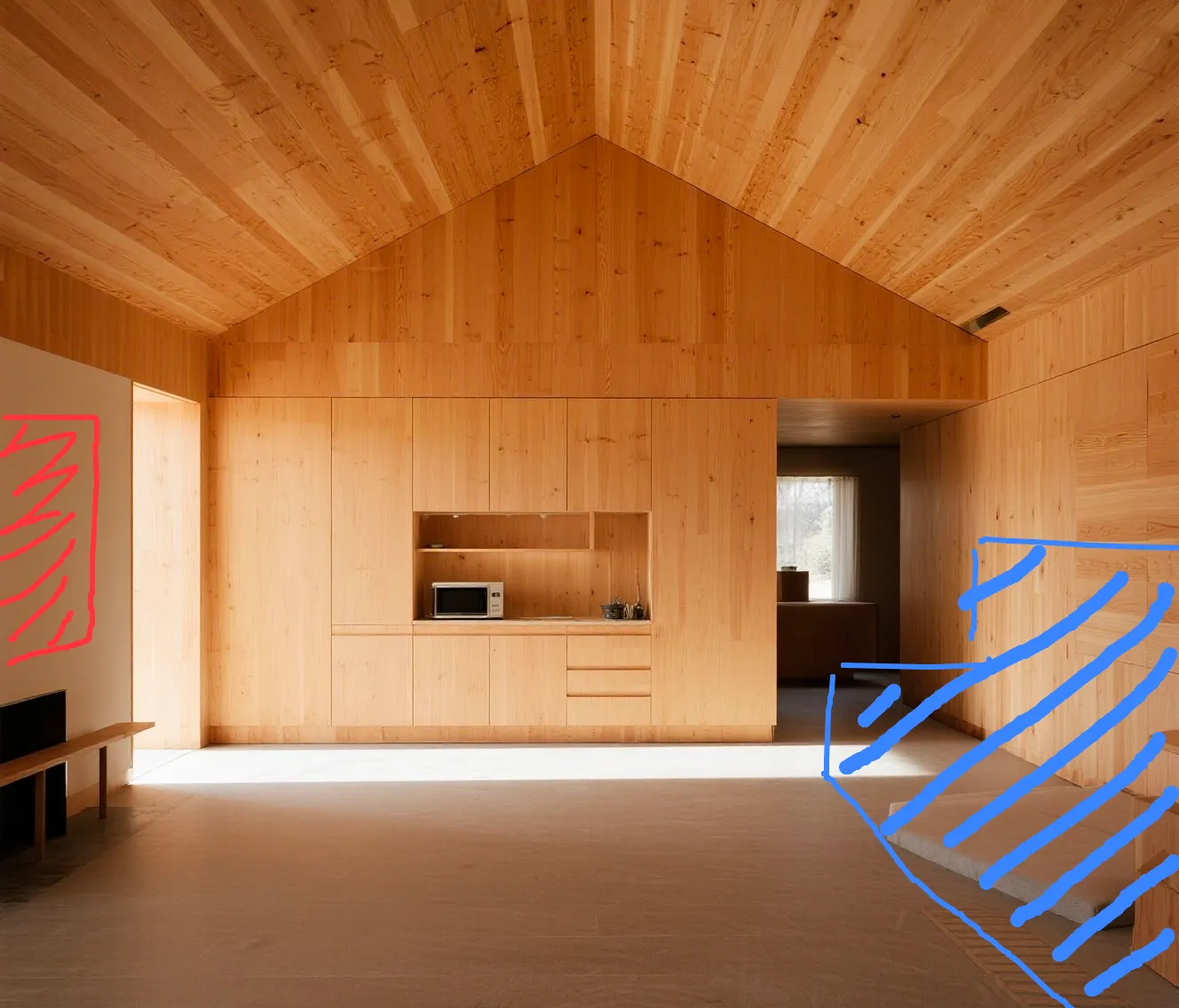
Task 1: Image Editing and Enhancement
Prompt: “[Doodle] Insert a TV where the red area is marked and a sofa where the blue area is marked. Keep the original wooden style.”
Input image:
Result image:

Observation: The objects were placed appropriately at the positions that we had outlined. They blend in well with their surroundings.
Task 2: Text-to-Image
Prompt: “A cluttered office desk. On the desk, there is an open laptop with a screen displaying green code. Next to it, a mug with the word “Developer” on it, with steam rising from the top. An open book lies on the desk, with pages showing a Venn diagram illustrating the nesting relationships of three circles in gray, blue, and light green. A sticky note with a mind map drawn on it, organized in a three-level vertical structure. A fountain pen, with the cap lying beside it. Next to the pen is a smartphone, with a new message notification displayed on the screen. In the corner of the desk, there is a small pot of succulent plants. The background is a blurred bookshelf. Sunlight shines from the right side, casting light and shadow on the desk.”
Result image:
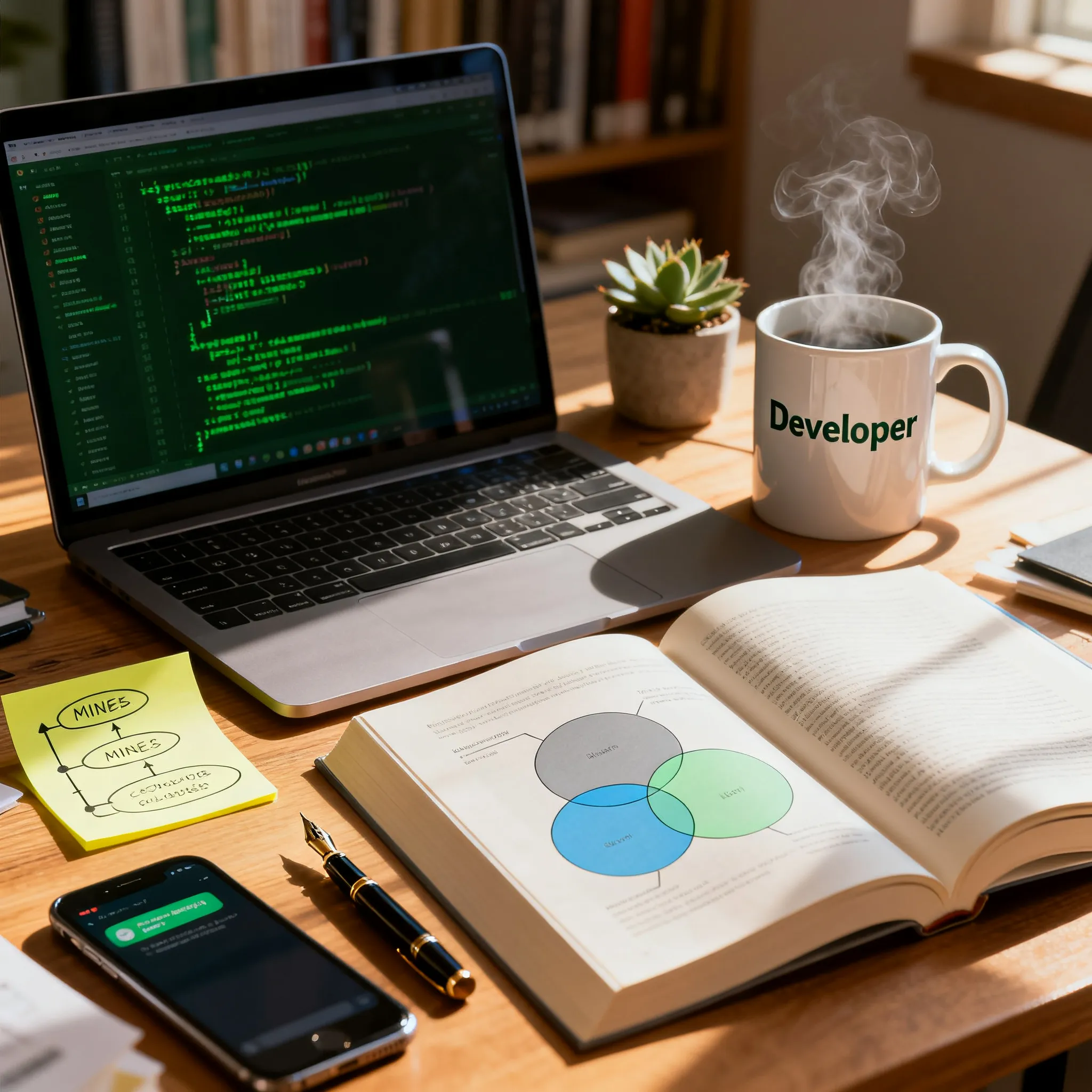
Observation: The generated image is high quality, has legible text, and doesn’t include anything out of place. However, the text at the bottom of the sticky note is still obscured in an AI-esque manner.
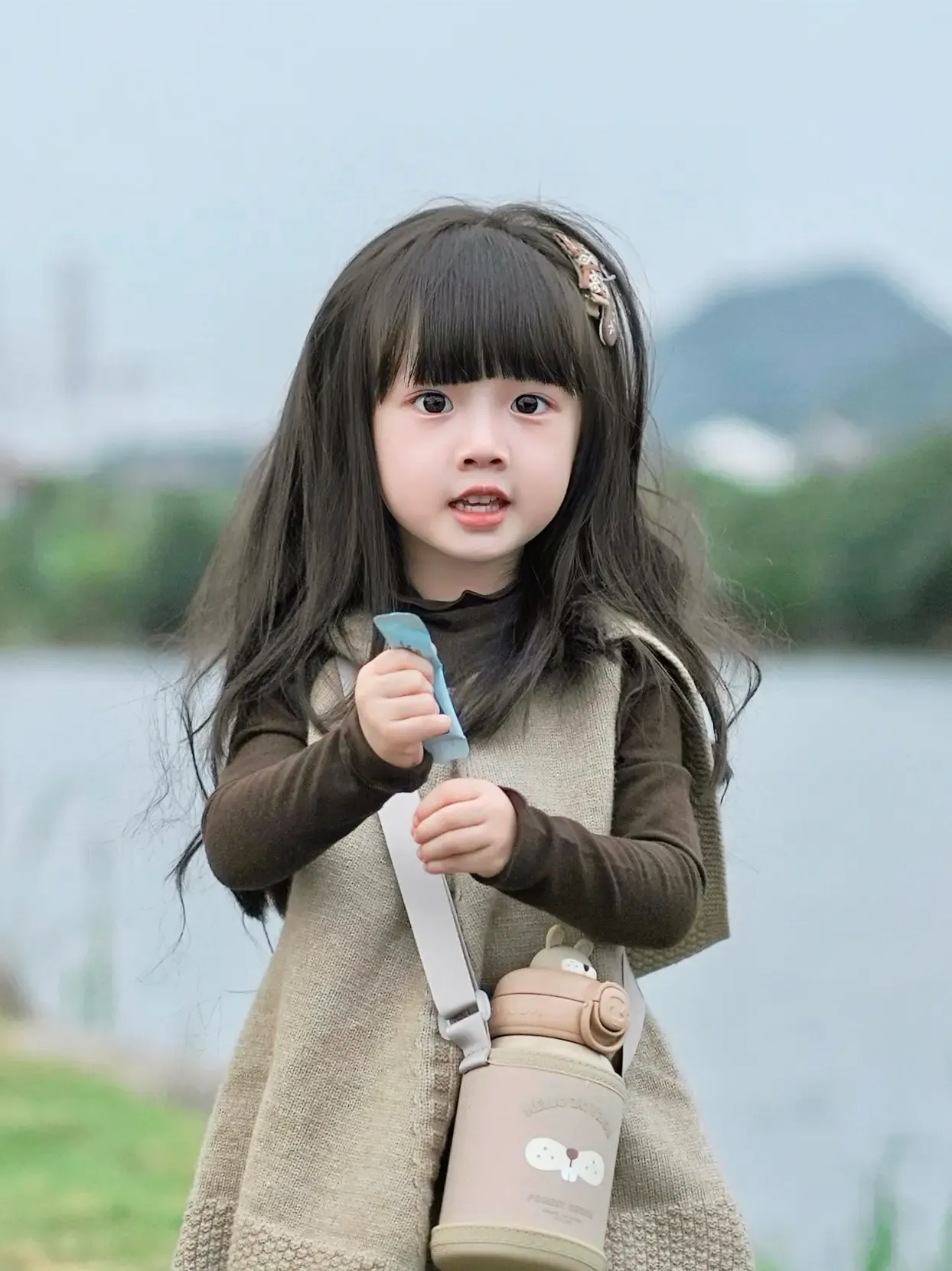
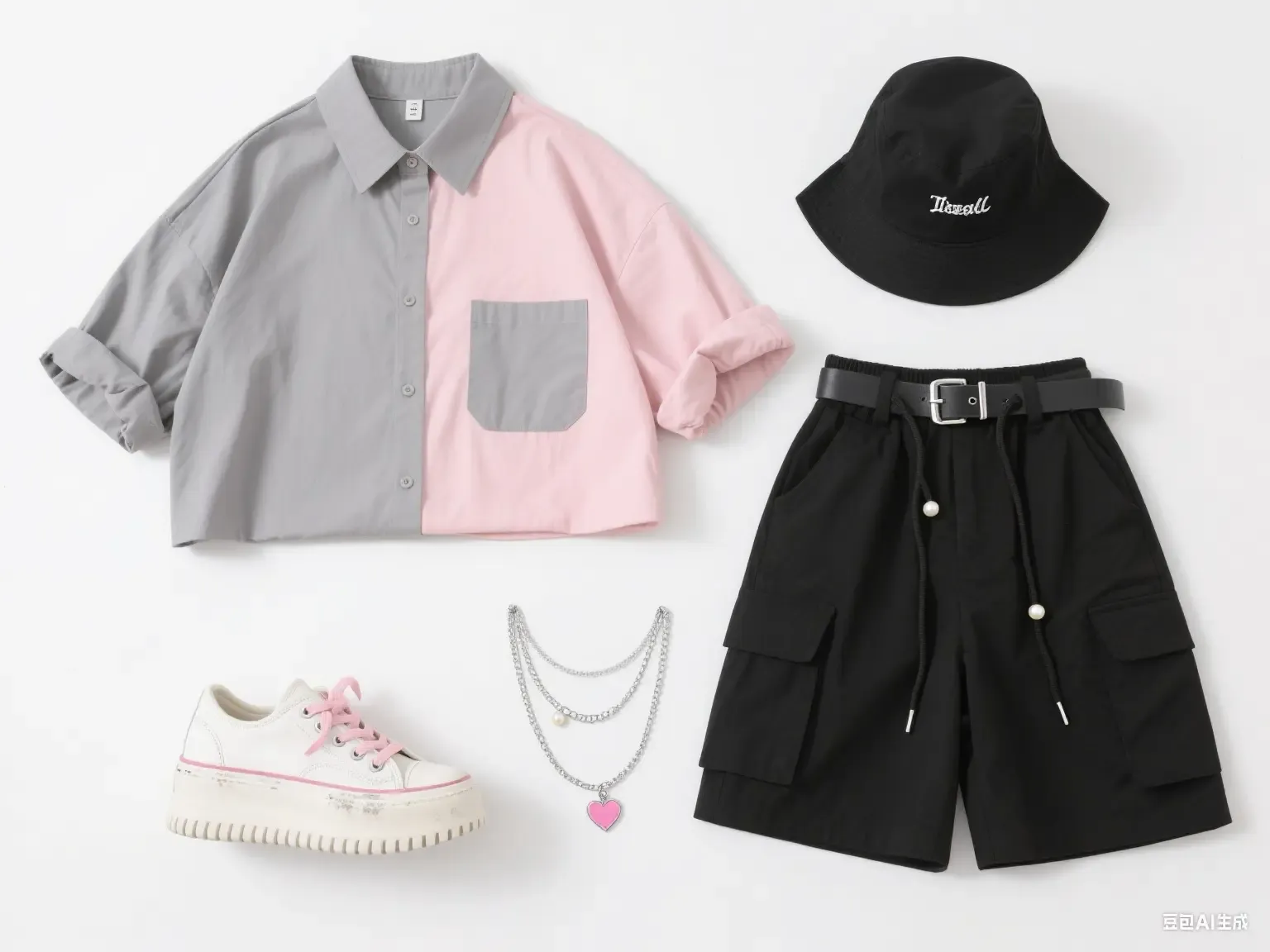
Task 3: Multi-Image Input
Prompt: “[Combination] Dress the character in Image 1 with the outfit from Image 2.”
Input images:
Result image:
Observation:
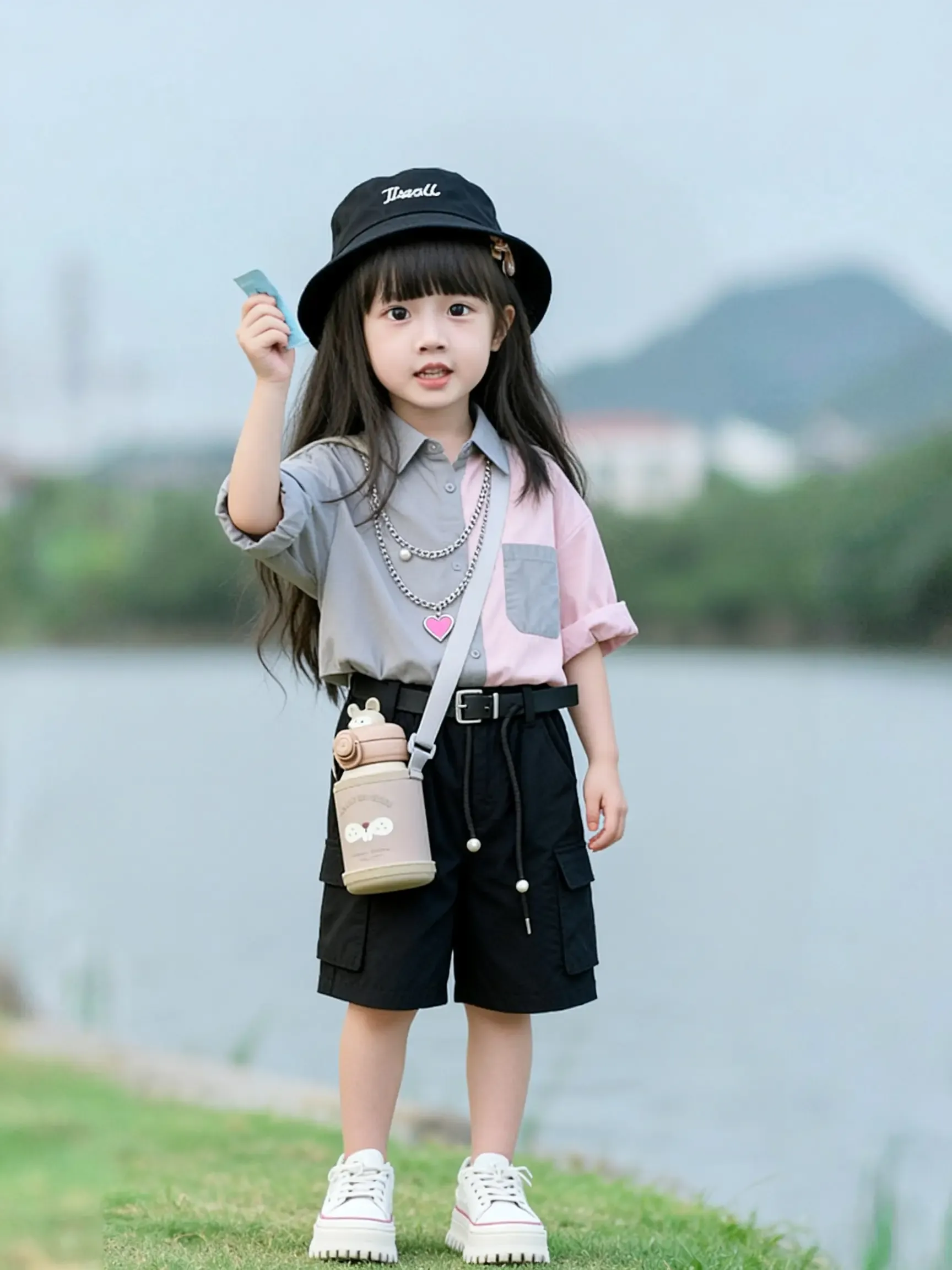
Observation: The girl in the first image had an apposite changeup with the second one. The background has also been preserved. If we’re being pedantic here, the laces aren’t colored right!
Task 4: Multi-Image Output
Prompt: “Generate seven mobile phone wallpapers for Monday through Sunday, featuring natural landscapes, with each image labeled with the corresponding date.”
Result image:
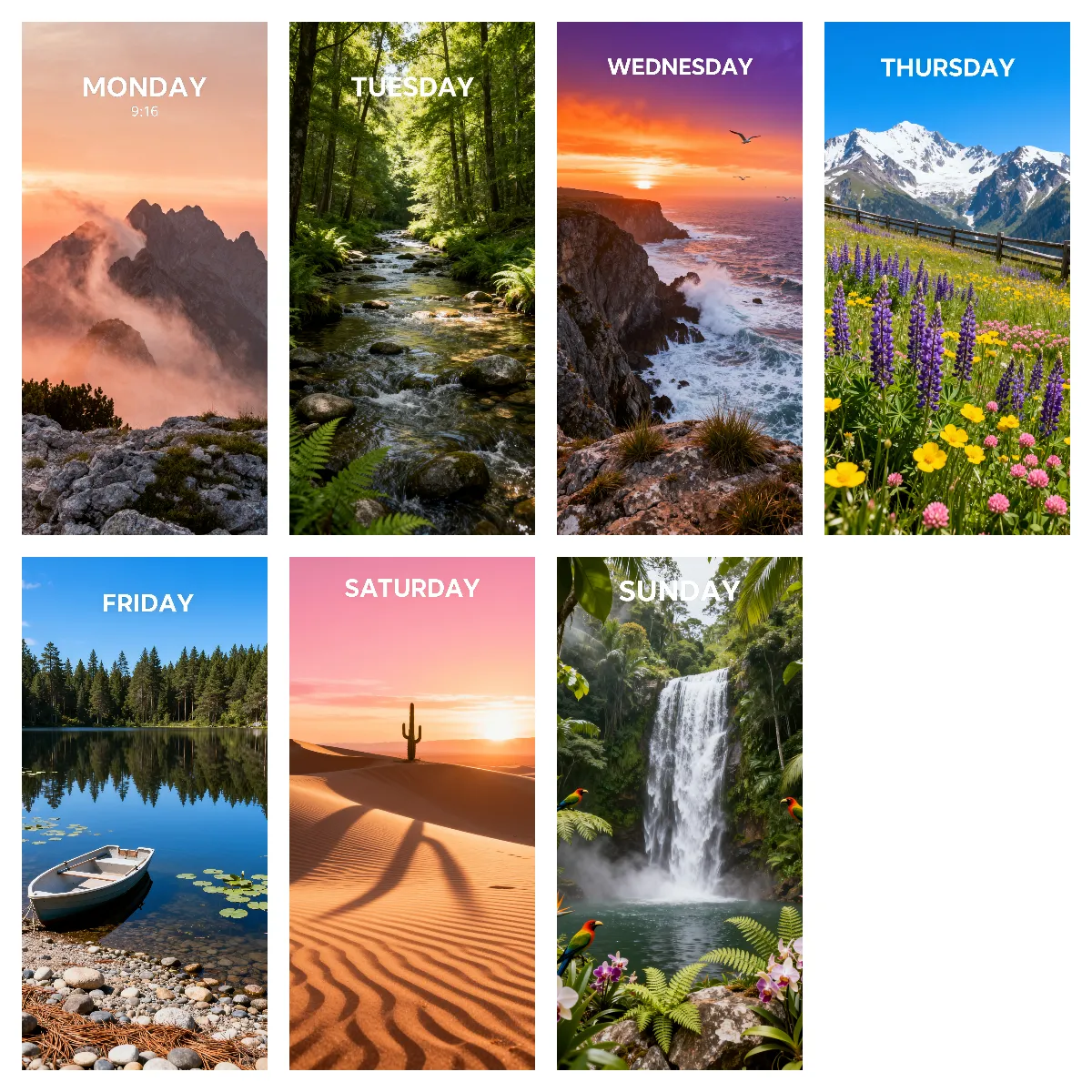
Observation: For the brief prompt that we’ve provided, the images turned out to be amazing. The model understood our ask and produced acceptable images. The “date-stamping the images” request wasn’t fulfilled, though (barring the Monday image).
Task 5: Generating high-density visual content
Prompt: “Draw the following system of binary linear equations and the corresponding solution steps on the blackboard: 5x + 2y = 26; 2x -y = 5.”
Result image:
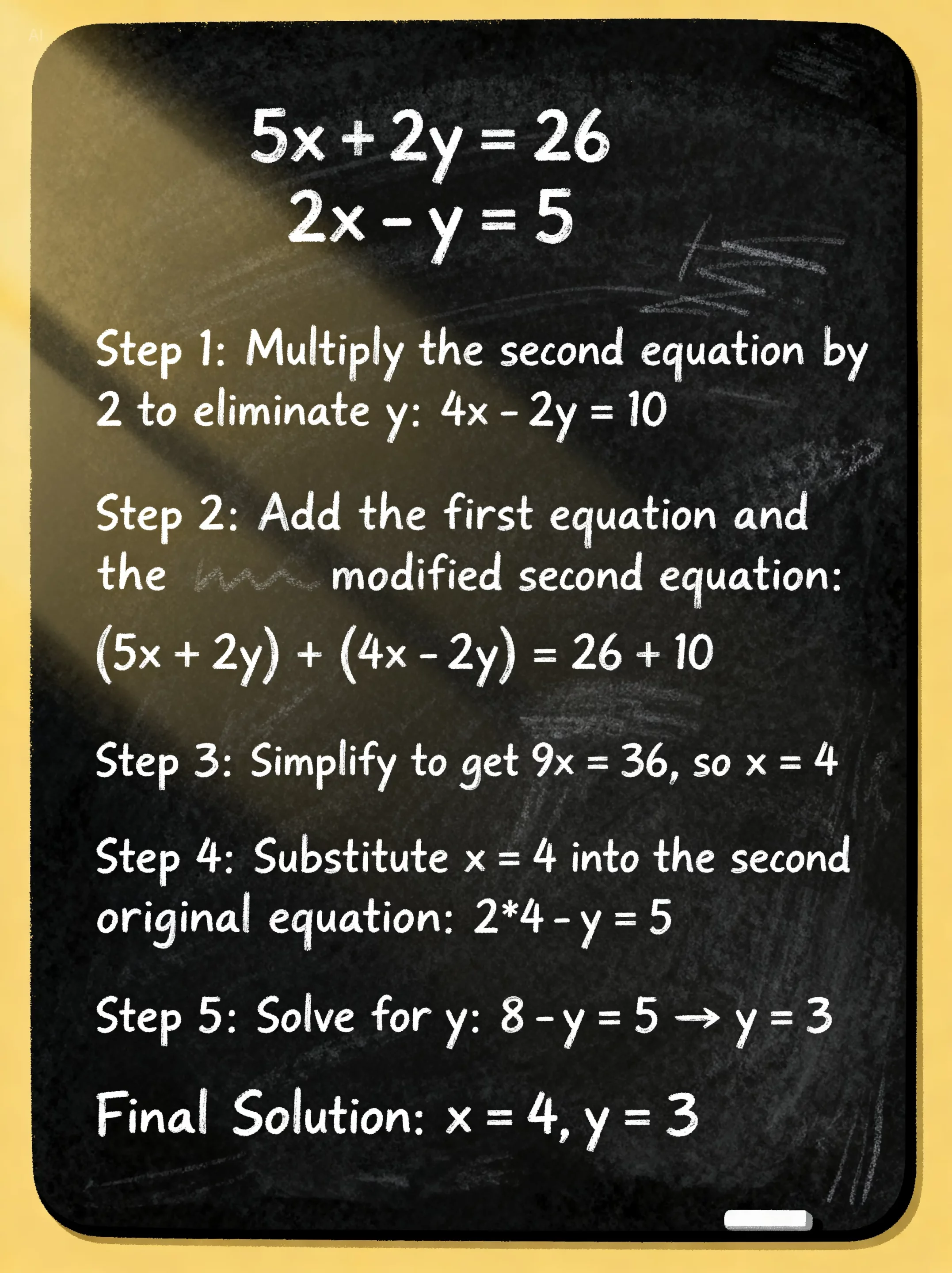
Observation: The question was solved satisfactorily and logically on the blackboard. The second step had a visible gap in the sentence, but it doesn’t deter the flow. The answer is correct.
Benchmarks
Here are Seedream 4.0’s results, measured on ByteDance’s internal benchmark MagicBench as well as the independent evaluation platform Artificial Analysis.
Multi-Dimensional Evaluation
Compared to other models, Seedream 4.0 showed strong performance in key areas such as following prompts accurately, maintaining alignment, and delivering high-quality visuals.
Text-to-Image Radar Chart
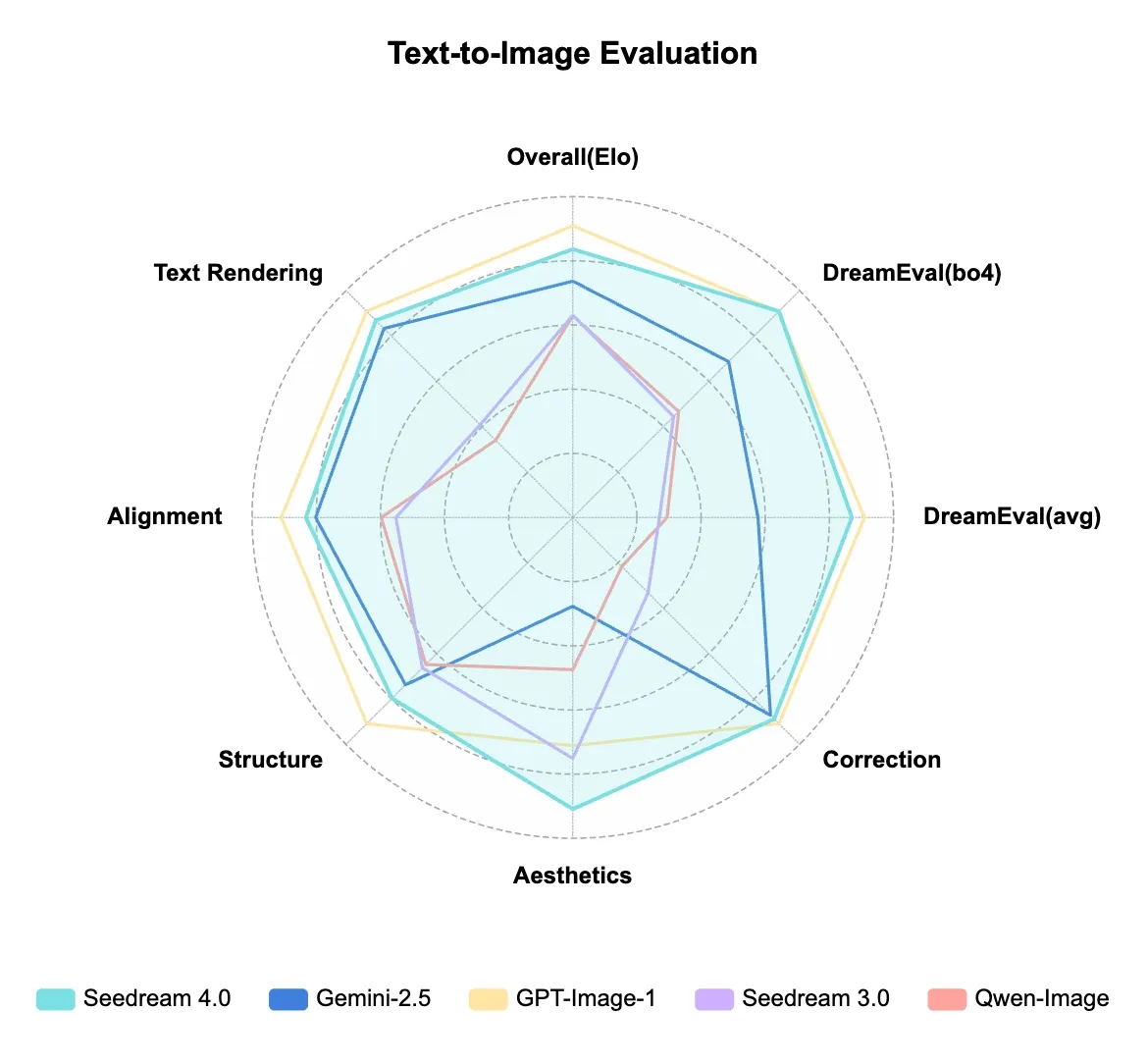
Seedream 4.0 leads the rankings with the highest ELO score, surpassing Google’s Gemini 2.5 Flash and other strong competitors like GPT-4o. This shows its dominance in single-image editing tasks.
Single-Image Editing Radar Chart
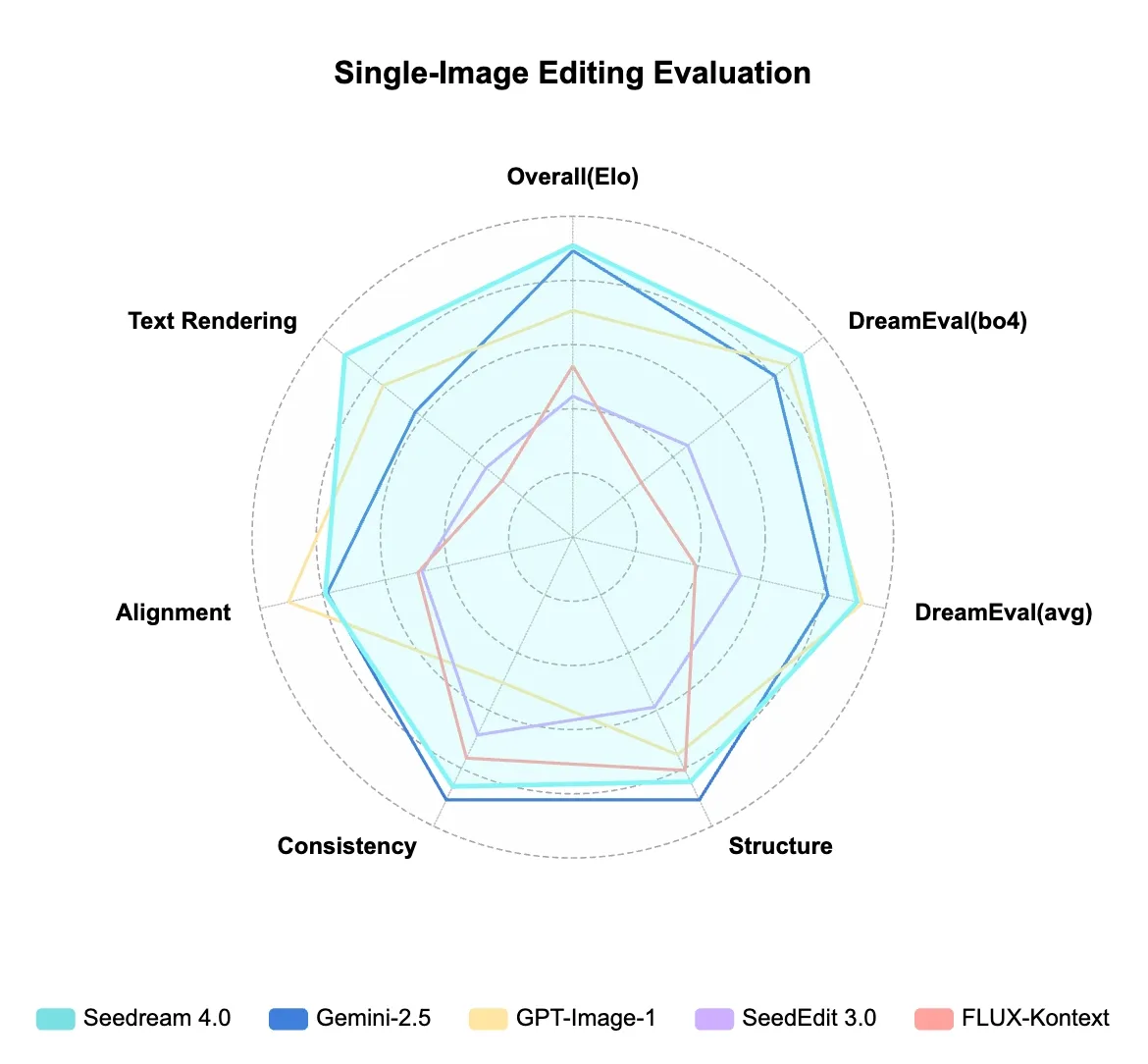
Seedream 4.0 consistently outperforms other models across key dimensions such as text rendering, structure, and consistency.
Artificial Analysis Image Arena
Text-to-Image Leaderboard
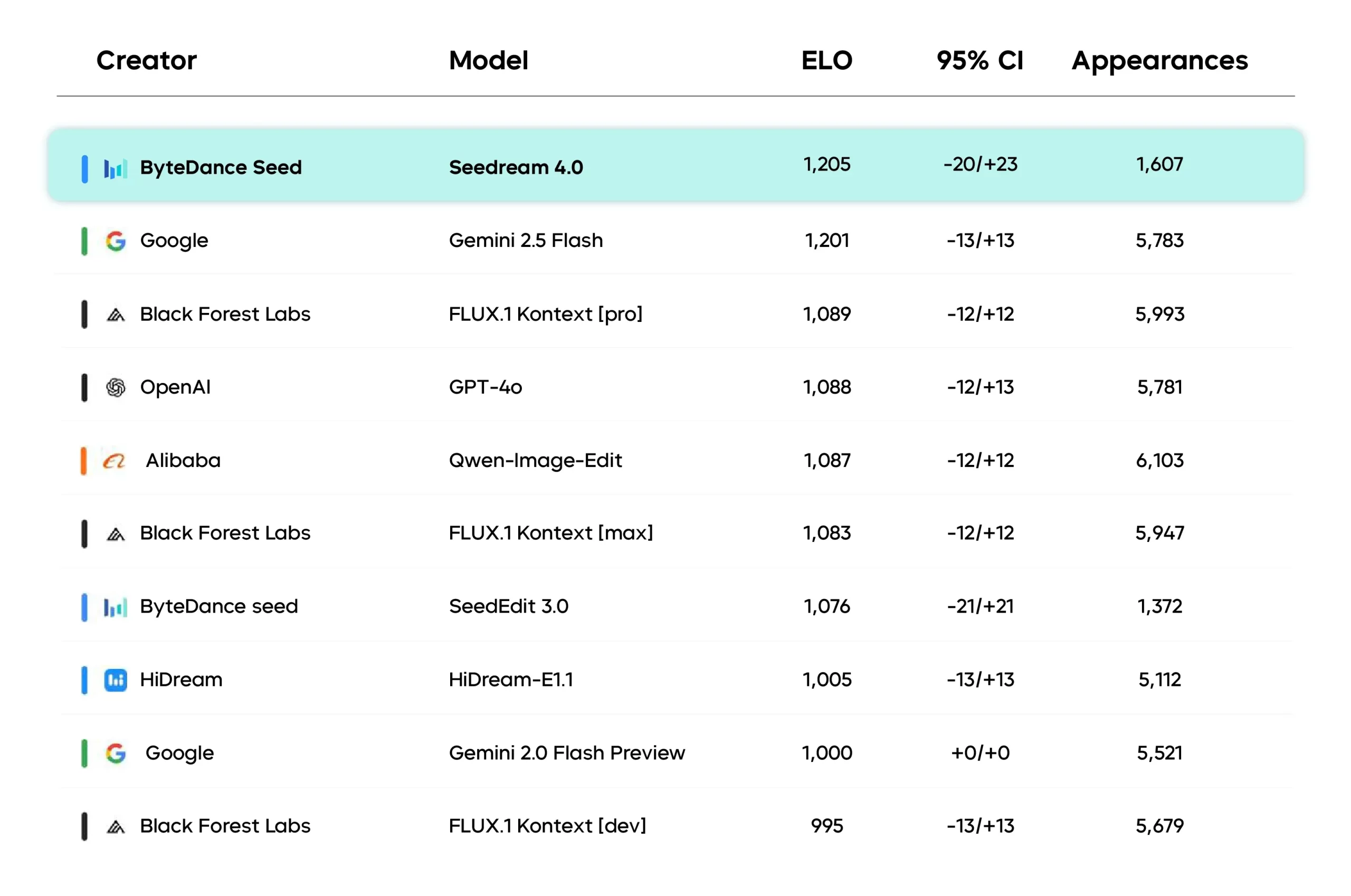
Seedream 4.0 again tops the leaderboard with an ELO of 1222, ahead of Google’s Imagen 4 variants and GPT-4o. This highlights its strength not just in editing, but also in generating images from text prompts.
Image Editing Leaderboard
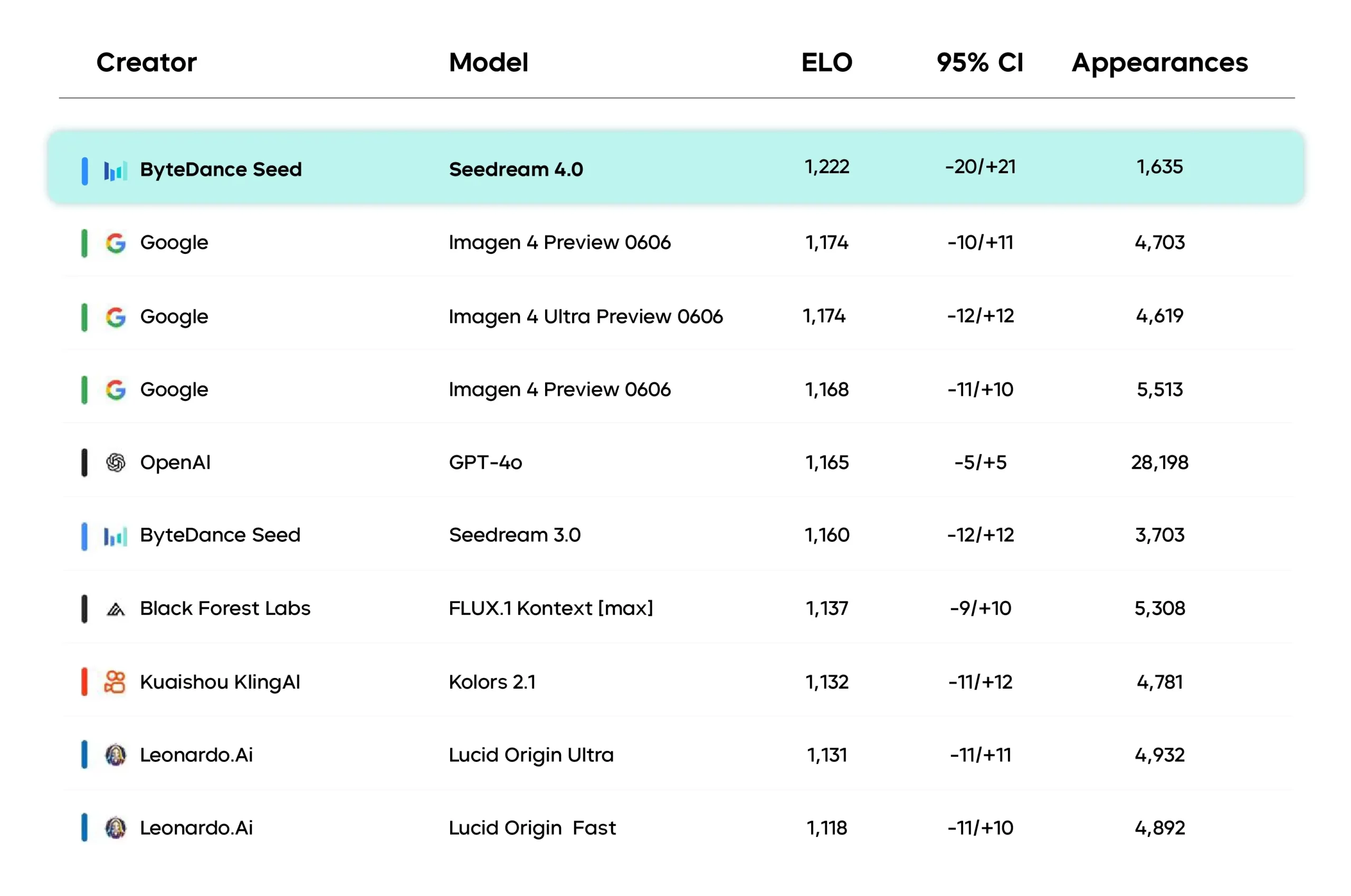
Seedream 4.0 scores strongly in alignment, text rendering, and overall ELO, making it stand out as the most capable model for text-to-image tasks, while also maintaining solid aesthetics and structure.
Limitations
For all that Seedream v4 offers, there are a few things amiss in the total package:
- No video generation support yet.
- API only offering: no internet, no pictures.
- Closed source: no room for experimentation.
- No free offerings.
Conclusion
Seedream v4 is a powerful step forward in AI image generation, balancing quality, flexibility, and speed. While its closed nature means you can’t run it locally, the API access ensures consistency, moderation, and scalability. For developers, it’s a practical and high-quality tool for advanced creative applications. The image model feels like a teammate who makes up for the deficit, doesn’t complain, and invoices you less than minimum wage. Seedream v4 is gunning for the top in the image generation models race, leaving names like Nano banana, Qwen-Image behind.
Frequently Asked Questions
Q1. Can I download the Seedream v4 model weights?
A. No, it’s only accessible via API.
Q2. What’s the maximum resolution supported?
A. Up to 4K image generation.
Q3. Can I use reference images?
A. Yes, you can provide one or multiple references to guide the output.
Q4. How is it different from v3?
A. Faster generation, higher fidelity, better reference handling, and stable 4K outputs.
Q5. Where do I get access?
A. Through ByteDance’s Seed platform or partner services like fal.ai or apidog.com.
I specialize in reviewing and refining AI-driven research, technical documentation, and content related to emerging AI technologies. My experience spans AI model training, data analysis, and information retrieval, allowing me to craft content that is both technically accurate and accessible.