Computer Vision remains one of the most commercially valuable areas in AI. Powering applications from autonomous driving to medical imaging and generative systems. But breaking into the field requires more than just theory!
A strong portfolio of practical projects is what sets you apart. This guide features 21 Computer Vision projects, from foundational computer vision to advance generative systems. The dataset used for building these projects have also been provided.
Table of contents
Beginner Projects (Foundational CV)
These projects focus on core image processing, basic classification, and using popular high-level libraries to get results quickly.
1. License Plate Recognition System
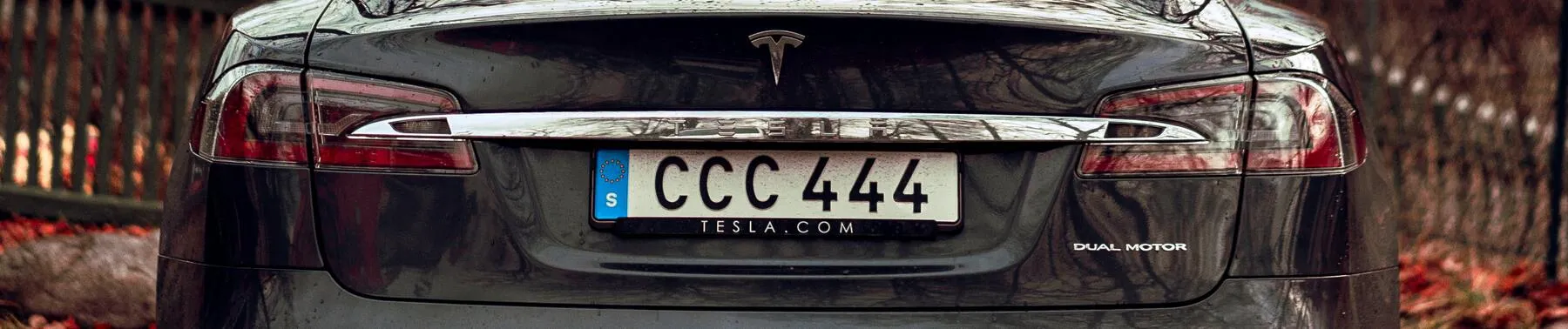
Create a multi-stage system that first localizes a vehicle’s license plate and then applies character recognition to digitize the alphanumeric code. This is a classic “Computer Vision + OCR” project essential for smart city and traffic tech.
- Skills Learned: Image contouring, Perspective transformation, and OCR with Tesseract.
- Dataset: Car Plate Detection
- Dataset Size: 433 images with XML annotations (~0.21 GB).
2. OCR + Document Understanding System
Create a system that extracts structured data from scanned invoices, receipts, or forms. It combines traditional character recognition with layout analysis to understand the hierarchy of information on a page.
- Skills Learned: LayoutLM, Form parsing, and Handwritten Text Recognition (HTR).
- Dataset: Handwriting Recognition
- Dataset Size: ~400,000 training and ~40,000 testing names (~1.26 GB).
3. Traffic Sign Recognition (Autonomous Driving)
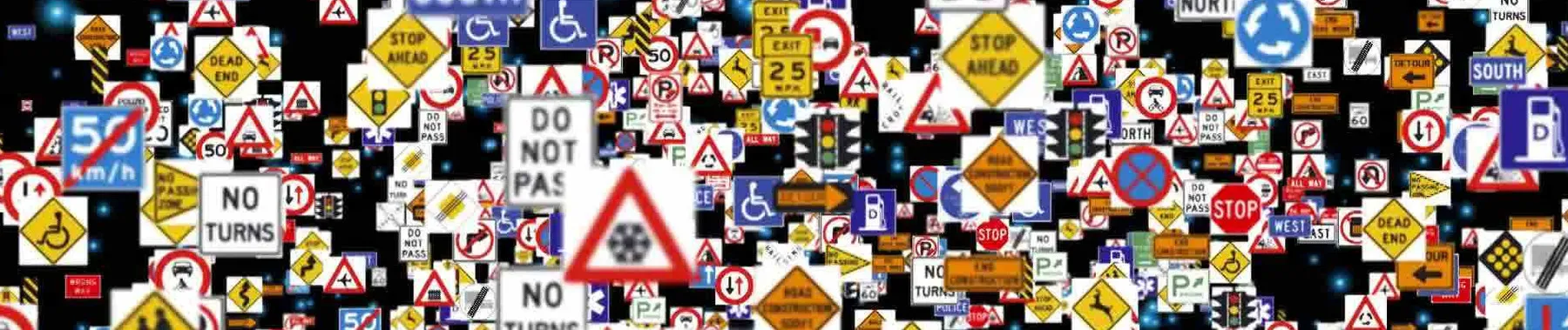
Train a model to classify dozens of different traffic signs under varying lighting and weather conditions. This is an essential component for any autonomous vehicle navigation stack.
- Skills Learned: Spatial Transformer Networks (STNs) and advanced data augmentation for robustness.
- Dataset: GTSRB German Traffic Signs
- Dataset Size: 50,000+ images belonging to 43 different classes (~0.64 GB).
4. Crop Disease Detection System

Build a diagnostic tool for agriculture that identifies specific plant diseases from leaf photographs. This project demonstrates the practical application of CV in solving global food security challenges.
- Skills Learned: Fine-tuning pretrained models, Class imbalance handling, and Mobile-first model optimization.
- Dataset: New Plant Diseases Dataset
- Dataset Size: 87,000+ images of healthy and diseased crop leaves (~1.83 GB).
5. Satellite Image Classification (Remote Sensing AI)
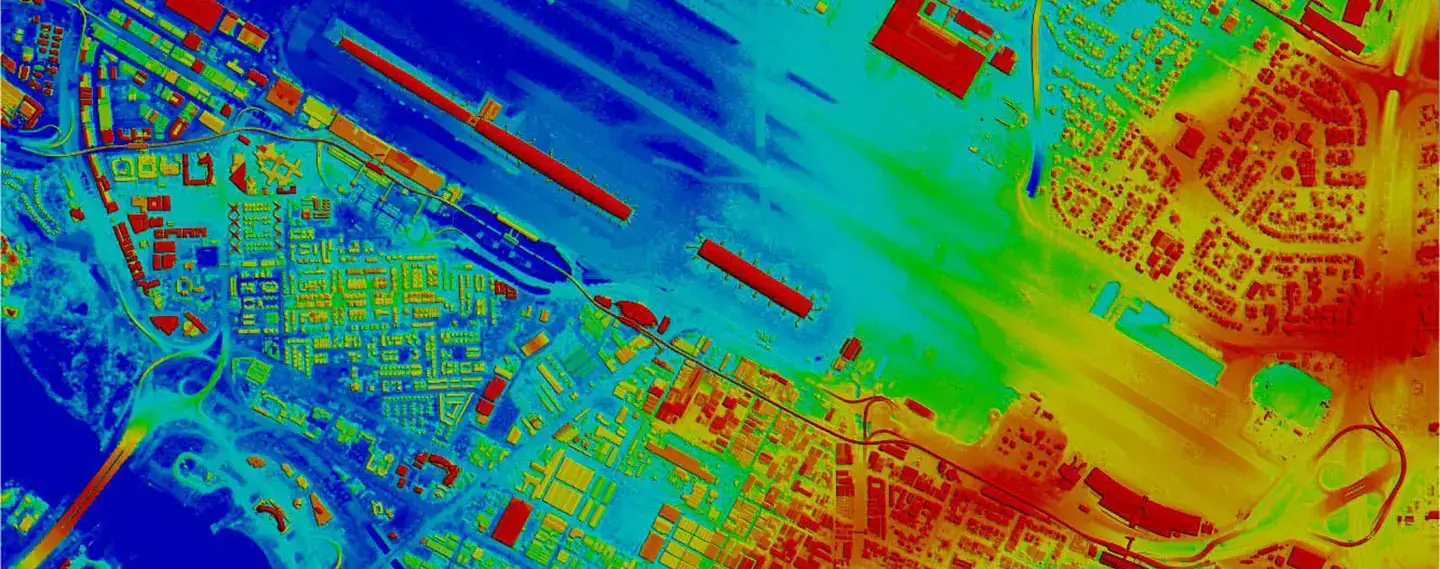
Classify land use patterns, such as forests, urban areas, or water bodies from high-resolution satellite imagery. This project is crucial for environmental monitoring and urban planning applications.
- Skills Learned: Multispectral data processing, Geospatial AI, and large-scale image tiling.
- Dataset: Satellite Image Classification
- Dataset Size: 5,631 images across 4 distinct classes (~0.03 GB).
Intermediate Projects (Architecture & Multi-Modal)
These projects require a deeper understanding of neural network architectures, custom loss functions, and combining Vision with other domains like NLP.
6. Object Detection with YOLO (Real-Time)
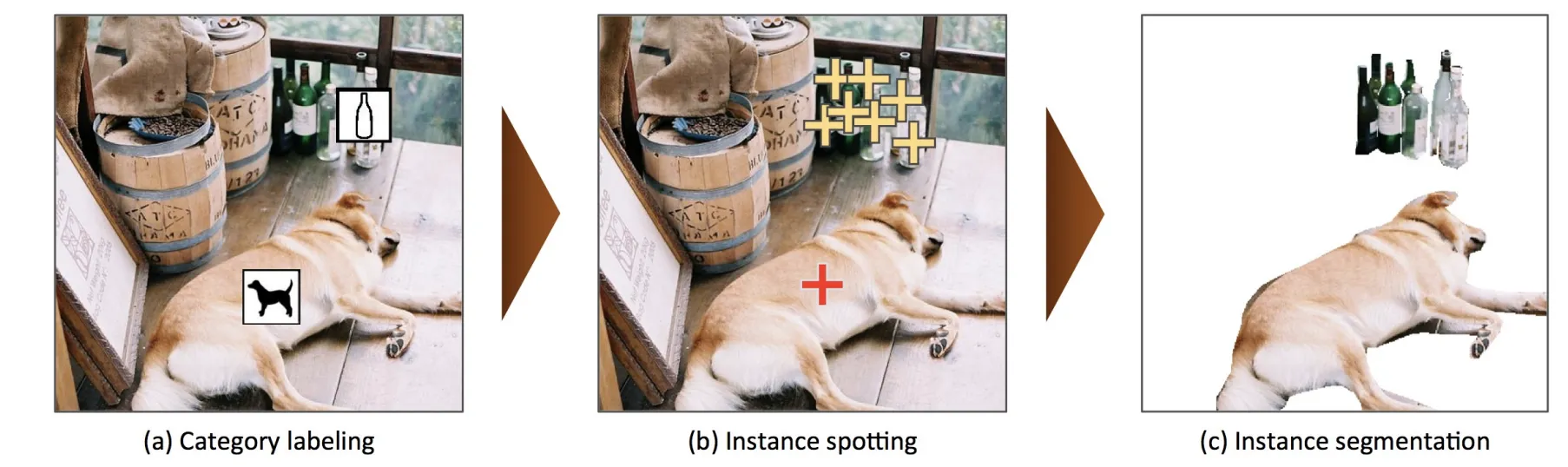
Build a high-speed system capable of identifying and labeling multiple object classes in a live video stream. This project focuses on balancing inference speed with mean Average Precision (mAP) using the latest YOLO architectures.
- Skills Learned: Real-time inference, Anchor boxes, Non-maximum Suppression (NMS), and Model Quantization.
- Dataset: COCO 2017 Dataset
- Dataset Size: 118,000 training images and 5,000 validation images (~25.57 GB).
7. Face Recognition System (Attendance / Security)
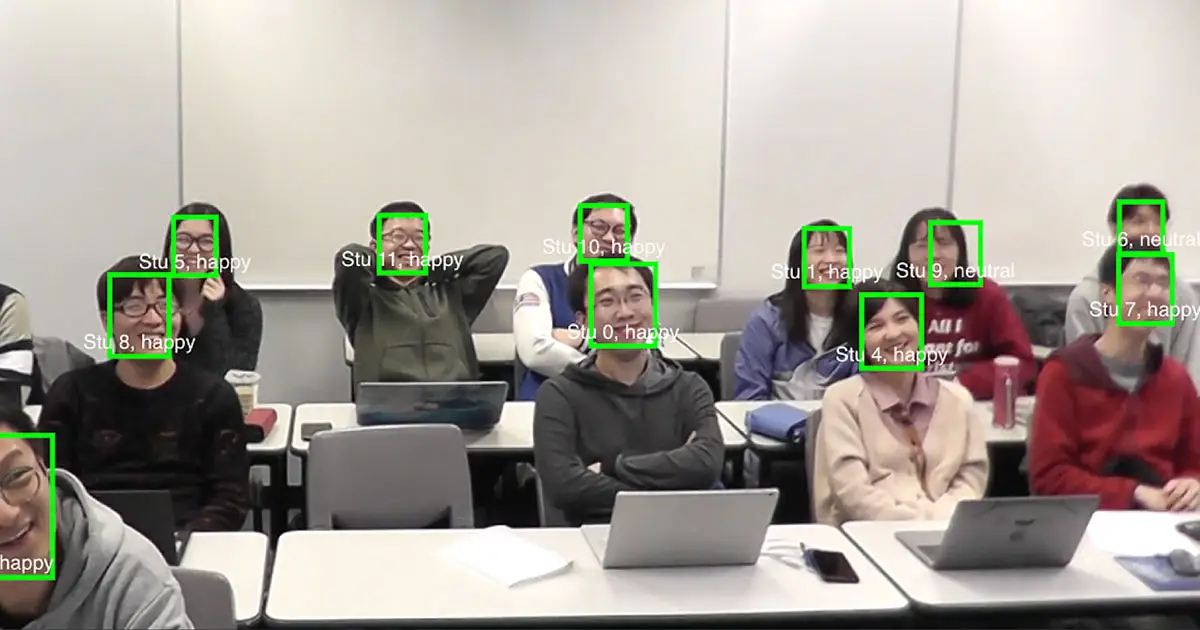
Develop an end-to-end pipeline that detects human faces, extracts unique facial embeddings, and matches them against a known database for identity verification. It covers the transition from simple detection to complex biometric recognition.
- Skills Learned: OpenCV, Triplet loss, and Vector database integration.
- Guide: Face Recognition for Beginners
8. Image Captioning (Vision + NLP)
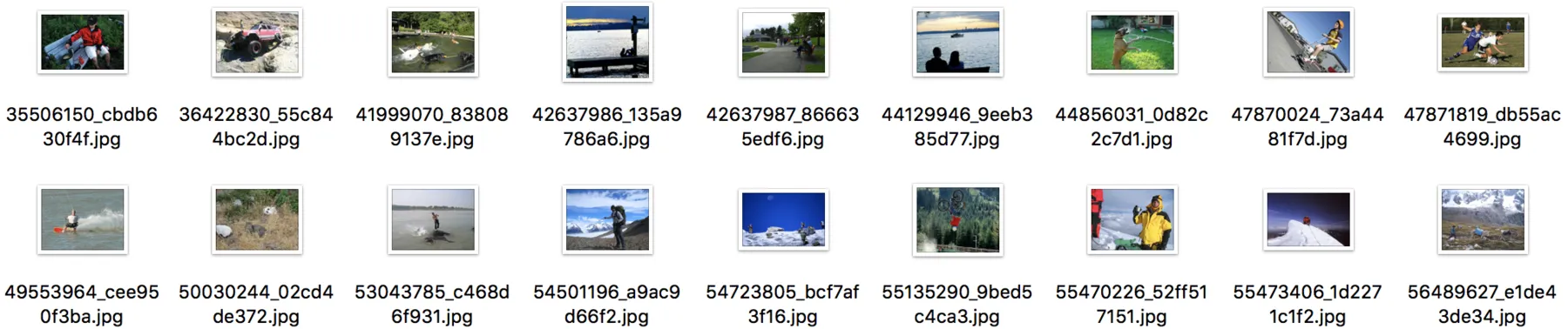
Bridge the gap between vision and language by building a model that generates natural language descriptions for any given image. This utilizes a CNN encoder to understand visuals and a Transformer or RNN decoder to generate text.
- Skills Learned: Multimodal AI, Attention mechanisms, and Sequence-to-Sequence (Seq2Seq) modeling.
- Dataset: Flickr8k
- Dataset Size: 8,092 images, each with 5 unique text captions (~1.11 GB).
9. Human Pose Estimation
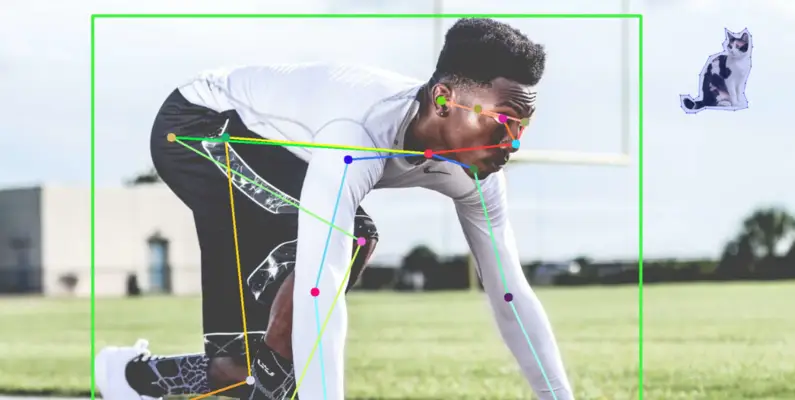
Track human skeletal structures by identifying key points such as joints and limbs in real-time. This project is highly valued in sports analytics, physical therapy AI, and advanced human-computer interaction.
- Skills Learned: Heatmap regression, Skeleton mapping, and working with frameworks like MediaPipe or OpenPose.
- Dataset: Pose Estimation
- Dataset Size: 200,000+ images with 18 keypoint annotations per person (~0.15 GB).
10. AI-Based Medical Image Classification
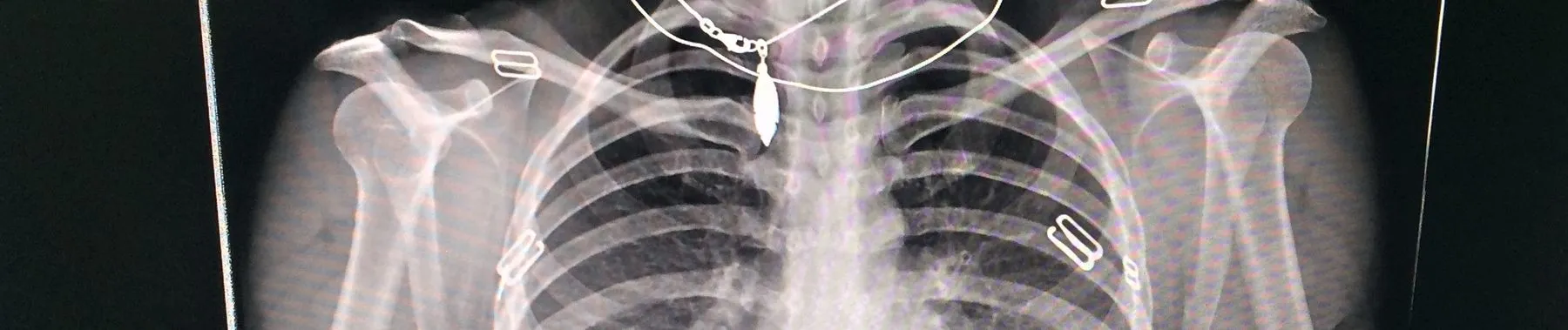
Develop a deep learning model to assist radiologists by classifying medical images, such as detecting pneumonia from chest X-rays. This project emphasizes the importance of model sensitivity and high-stakes diagnostic accuracy.
- Skills Learned: Transfer learning on medical data, Sensitivity/Specificity metrics, and DICOM file handling.
- Dataset: Chest X-Ray Pneumonia
- Dataset Size: 5,863 JPEG images (~1.15 GB).
11. Image Segmentation (U-Net for Medical Images)
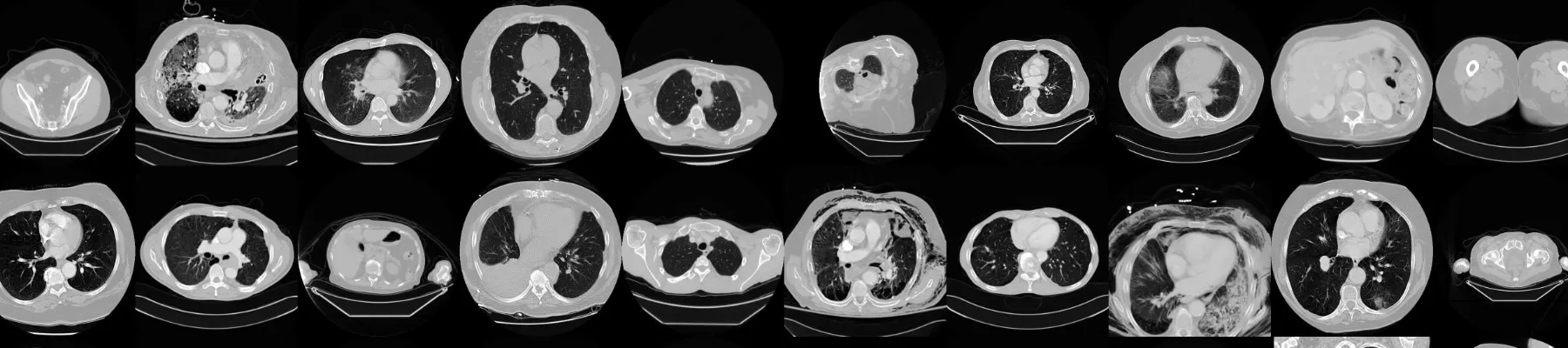
Implement a U-Net architecture to perform pixel-level segmentation on medical scans to isolate specific organs or tumors. This project demonstrates precision in identifying complex boundaries within grayscale data.
- Skills Learned: Dice Coefficient, Encoder-Decoder architectures, and Semantic Segmentation.
- Dataset: SIIM Medical Images
- Dataset Size: 12,000+ DICOM images for pneumothorax identification (~0.93 GB).
12. Multi-Label Image Classification

Build a classifier capable of assigning multiple tags to a single image simultaneously. This is more complex than standard classification as it requires predicting the presence of multiple independent objects or attributes.
- Skills Learned: Multi-output layers, Sigmoid activation for multi-labeling, and Hamming Loss.
- Dataset: Labeled Flickr30k
- Dataset Size: 31,783 images with associated captions and object tags (~4.15 GB).
13. Fashion Recommendation System (Visual Similarity)
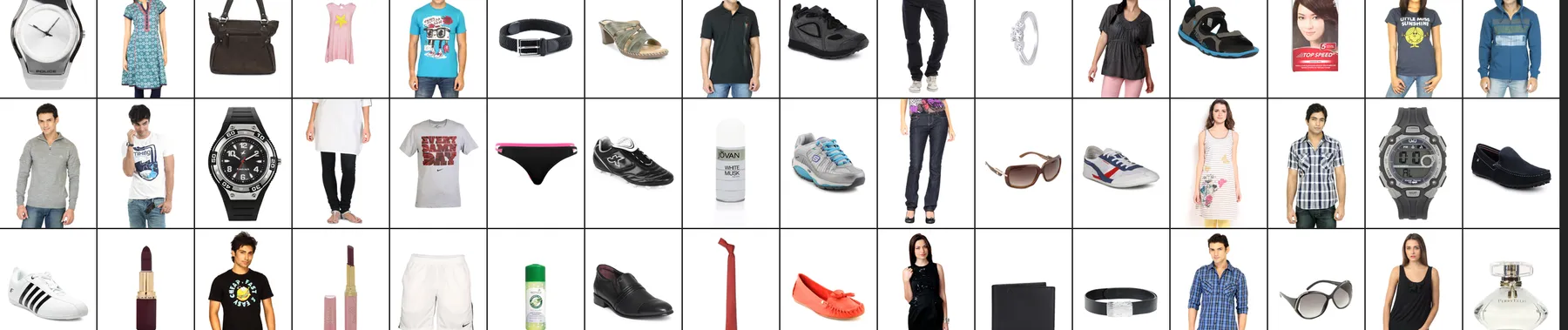
Develop a recommendation engine that suggests fashion items based on visual similarity to a user’s selected photo. It focuses on extracting feature vectors and calculating the “distance” between items in a latent space.
- Skills Learned: K-Nearest Neighbors (KNN), Feature extraction (Embeddings), and Cosine Similarity.
- Dataset: Fashion Product Images (Small)
- Dataset Size: 44,000 images with high-quality category metadata (~0.56 GB).
14. Industrial Defect Detection (Manufacturing AI)
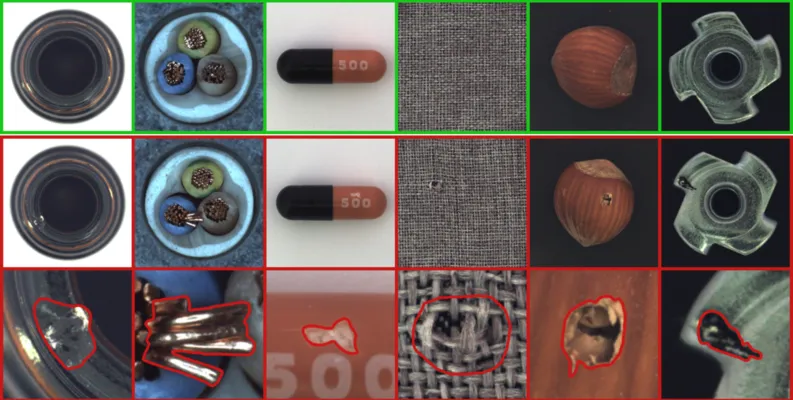
Implement an anomaly detection system designed to find surface cracks, dents, or discolorations in industrial parts. This project simulates the “Visual Inspection” phase used in high-tech smart factories.
- Skills Learned: Unsupervised learning, Anomaly scoring, and dealing with highly imbalanced data.
- Dataset: MVTec AD
- Dataset Size: 5,354 high-resolution images across 15 product categories (~4.98 GB).
Advanced Projects (State-of-the-Art & Generative)
These projects involve complex generative models (GANs), 3D data, and the latest breakthroughs in self-supervised learning.
15. Image-to-Text Search Engine (CLIP-based)
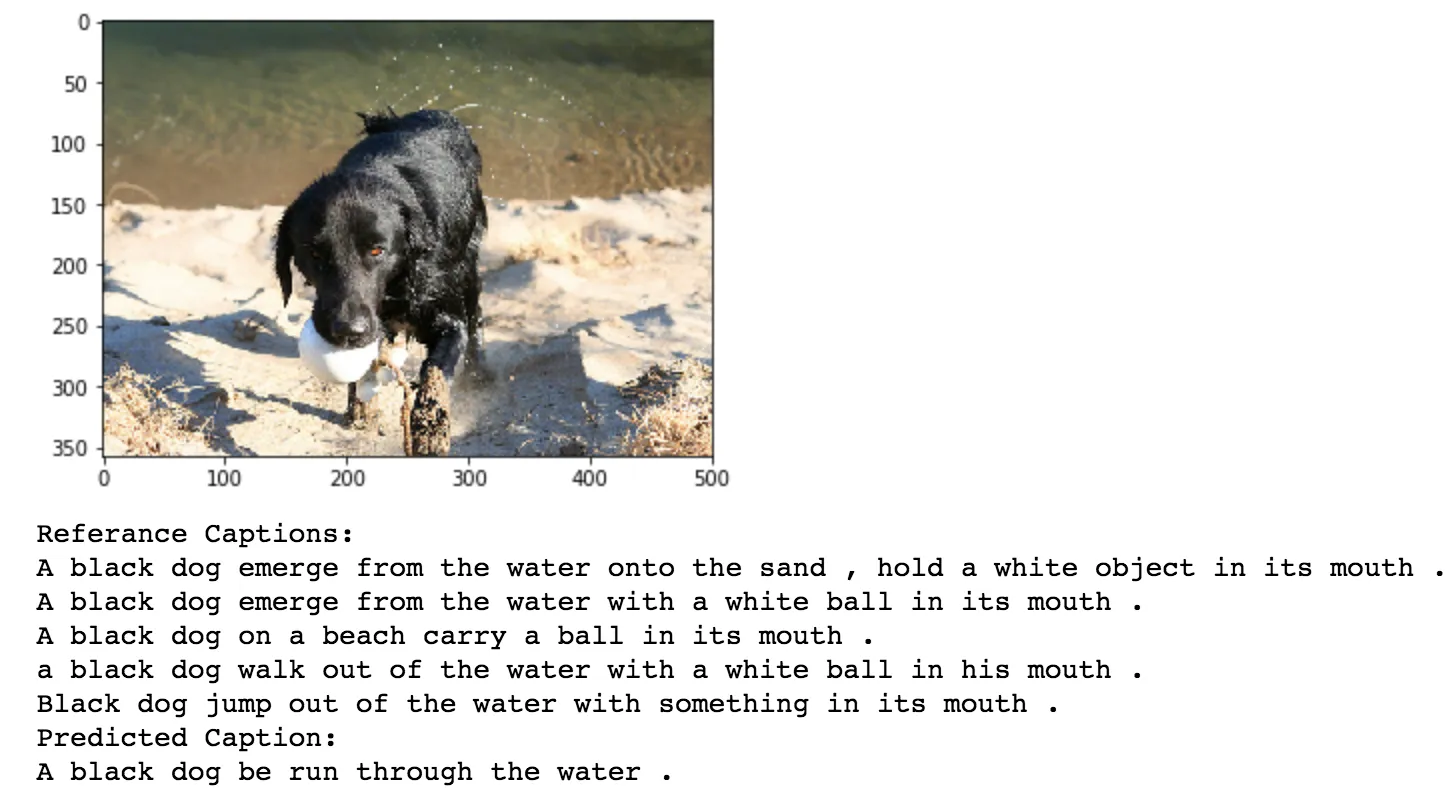
Build a semantic search engine using OpenAI’s CLIP model to allow users to search for images using complex natural language queries rather than simple tags. This project highlights your ability to work with modern contrastive learning techniques.
- Skills Learned: Contrastive learning, Zero-shot classification, and Vector databases like Pinecone or Milvus.
- Dataset: Flickr8k-Images-Captions
- Dataset Size: 8,000+ images with multi-caption mapping (~1.11 GB).
16. Visual Question Answering (Multimodal AI)
Develop a sophisticated model that takes an image and a natural language question as input and provides an accurate text-based answer. It requires the model to understand the spatial relationships between objects within the scene.
- Skills Learned: Visual-textual alignment, Bilinear pooling, and transformers.
- Guide: DocVQA v2
17. AI-Powered Virtual Try-On System
Design a generative system that allows users to virtually “wear” clothing items by mapping garment images onto human bodies in photos. This involves complex image warping to ensure realistic fabric folds and body alignment.
- Skills Learned: Image warping, Generative Adversarial Networks (GANs), and Human body parsing.
- Guide: Building a Virtual Try-On System
18. Image Deblurring using GANs
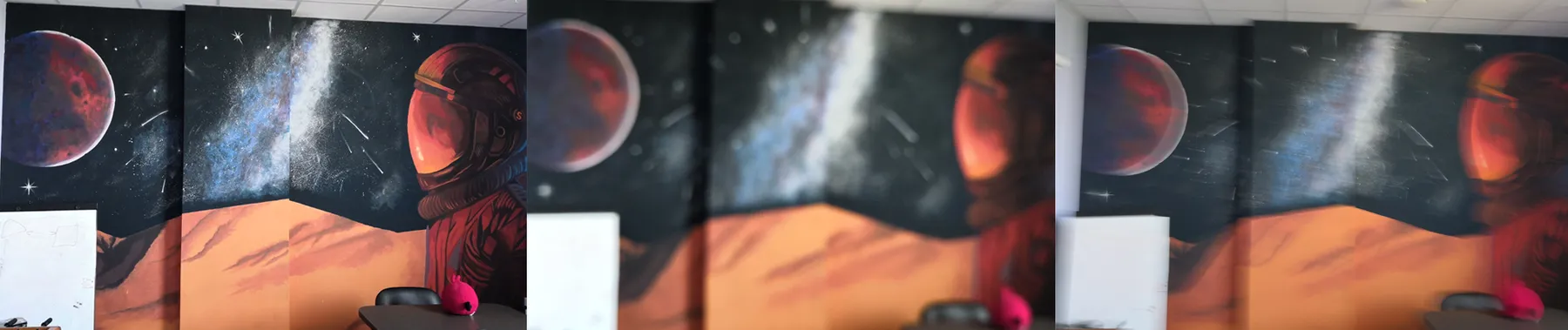
Use Generative Adversarial Networks to restore sharpness to images affected by motion blur or camera shake. This project highlights your skills in image-to-image translation and high-fidelity reconstruction.
- Skills Learned: Adversarial loss, Perceptual loss, and Pix2Pix/CycleGAN architectures.
- Dataset: Blur Dataset
- Dataset Size: 1,050 total processed high-resolution images (~1.24 GB).
19. 3D Object Reconstruction
Generate a 3D model or point cloud representation from a collection of 2D images. This project touches upon the growing intersection of Computer Vision and 3D graphics, relevant for AR/VR applications.
- Skills Learned: Voxel grids, Point clouds, and Neural Radiance Fields (NeRFs).
- Dataset: 3D ShapeNet Models
- Dataset Size: 51,300+ unique 3D models across 55 categories (~11.2 GB).
20. Video Summarization System
Build a system that automatically identifies the most significant moments in a long video to create a condensed “highlight” reel. It requires the model to understand temporal changes and event importance over time.
- Skills Learned: Temporal feature extraction, 3D-CNNs, and LSTM-based sequence analysis.
- Dataset: TVSum Dataset
- Dataset Size: 50 annotated videos with shot-level importance scores (~0.20 GB).
21. Face Aging / De-aging (GAN-based)
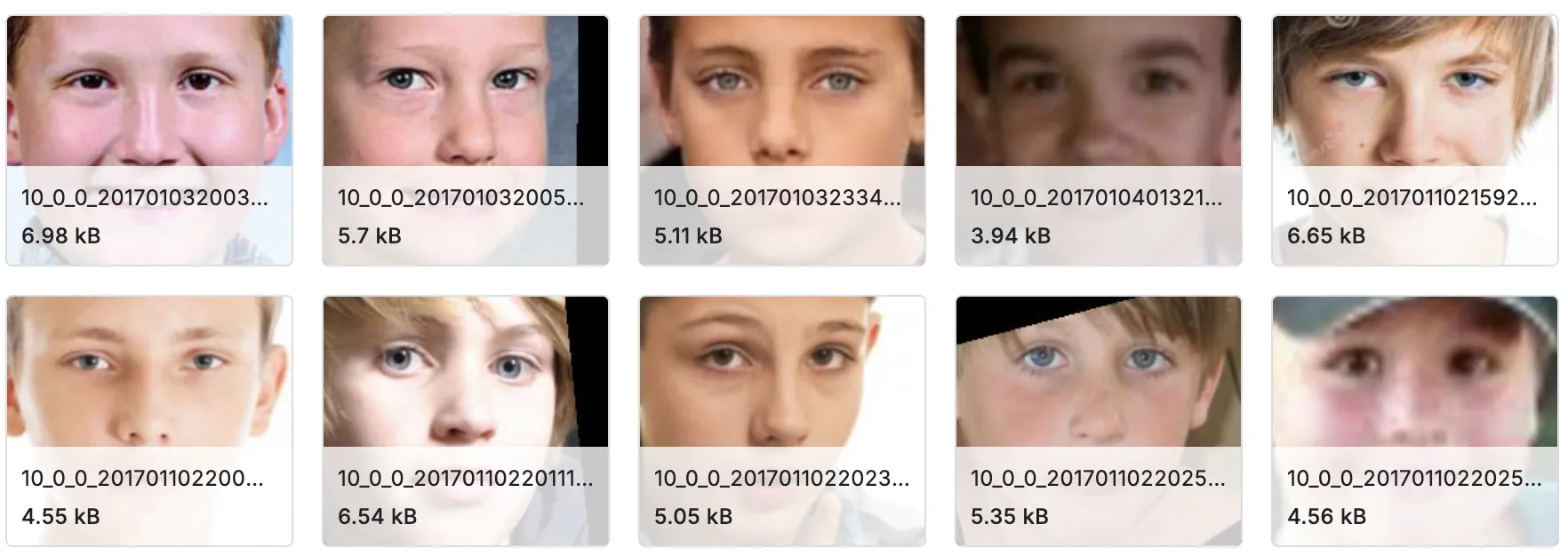
Develop a generative model that can realistically transform a person’s age in a photograph while maintaining their identity. This project demonstrates a deep understanding of StyleGAN and latent space manipulation.
- Skills Learned: Latent space editing, Style transfer, and High-resolution image synthesis.
- Dataset: UTKFace
- Dataset Size: 23,000+ face images labeled by age, gender, and ethnicity (~0.13 GB).
Your Roadmap to Mastery
Building a career in Computer Vision is a marathon, not a sprint. This roundup of 21 projects covers the entire spectrum: from image manipulation and object detection to Generative AI. By working through these solved examples, you are learning to work around the entire depth of computer vision.
The most important step is to start. Pick a project that aligns with your current interest, document your process on GitHub, and share your results. Every project you complete adds a significant layer of credibility to your professional profile. Good luck building!
Read more: 20+ Solved AI Projects to Boost Your Portfolio
Frequently Asked Questions
Q1. What are the best computer vision projects for beginners in 2026?
A. Beginner projects include license plate recognition, OCR systems, and traffic sign classification, helping build core skills in image processing and deep learning.
Q2. How do computer vision projects improve your AI portfolio?
A. Real-world computer vision projects showcase practical skills, proving your ability to solve industry problems in areas like healthcare, automation, and autonomous systems.
Q3. Which advanced computer vision projects are in demand today?
A. High-demand projects include image captioning, GAN-based image generation, 3D reconstruction, and visual question answering, reflecting cutting-edge AI applications.
Studying, evaluating, and explaining AI systems for over 6 years.
“𝘖𝘯𝘤𝘦 𝘮𝘦𝘯 𝘵𝘶𝘳𝘯𝘦𝘥 𝘵𝘩𝘦𝘪𝘳 𝘵𝘩𝘪𝘯𝘬𝘪𝘯𝘨 𝘰𝘷𝘦𝘳 𝘵𝘰 𝘮𝘢𝘤𝘩𝘪𝘯𝘦𝘴 𝘪𝘯 𝘵𝘩𝘦 𝘩𝘰𝘱𝘦 𝘵𝘩𝘢𝘵 𝘵𝘩𝘪𝘴 𝘸𝘰𝘶𝘭𝘥 𝘴𝘦𝘵 𝘵𝘩𝘦𝘮 𝘧𝘳𝘦𝘦. 𝘉𝘶𝘵 𝘵𝘩𝘢𝘵 𝘰𝘯𝘭𝘺 𝘱𝘦𝘳𝘮𝘪𝘵𝘵𝘦𝘥 𝘰𝘵𝘩𝘦𝘳 𝘮𝘦𝘯 𝘸𝘪𝘵𝘩 𝘮𝘢𝘤𝘩𝘪𝘯𝘦𝘴 𝘵𝘰 𝘦𝘯𝘴𝘭𝘢𝘷𝘦 𝘵𝘩𝘦𝘮.” — 𝖥𝗋𝖺𝗇𝗄 𝖧𝖾𝗋𝖻𝖾𝗋𝗍, 𝖣𝗎𝗇𝖾