AI is taking over the world. If you don’t agree to this, you need to have a look at the latest technologies presented at one of the biggest annual technology events – the CES 2026. Consumer Electronics Show, which takes place in Las Vegas, US, every year, brings forward the best of technologies being pursued by the leading and upcoming companies across the world. And this time around at CES 2026, AI is not just the “hot goss!” It is the engine behind almost every product and service being made. Robotics, Energy Systems, Wearables, Desk devices, Home Machines, you name it, and you will see products in that category having an AI bedrock.
Here, we have a look at some such showstoppers, across categories, that are taking the world by storm.
Table of contents
Wearables
1. An External Memory For Your Brain – Pebble Index 01
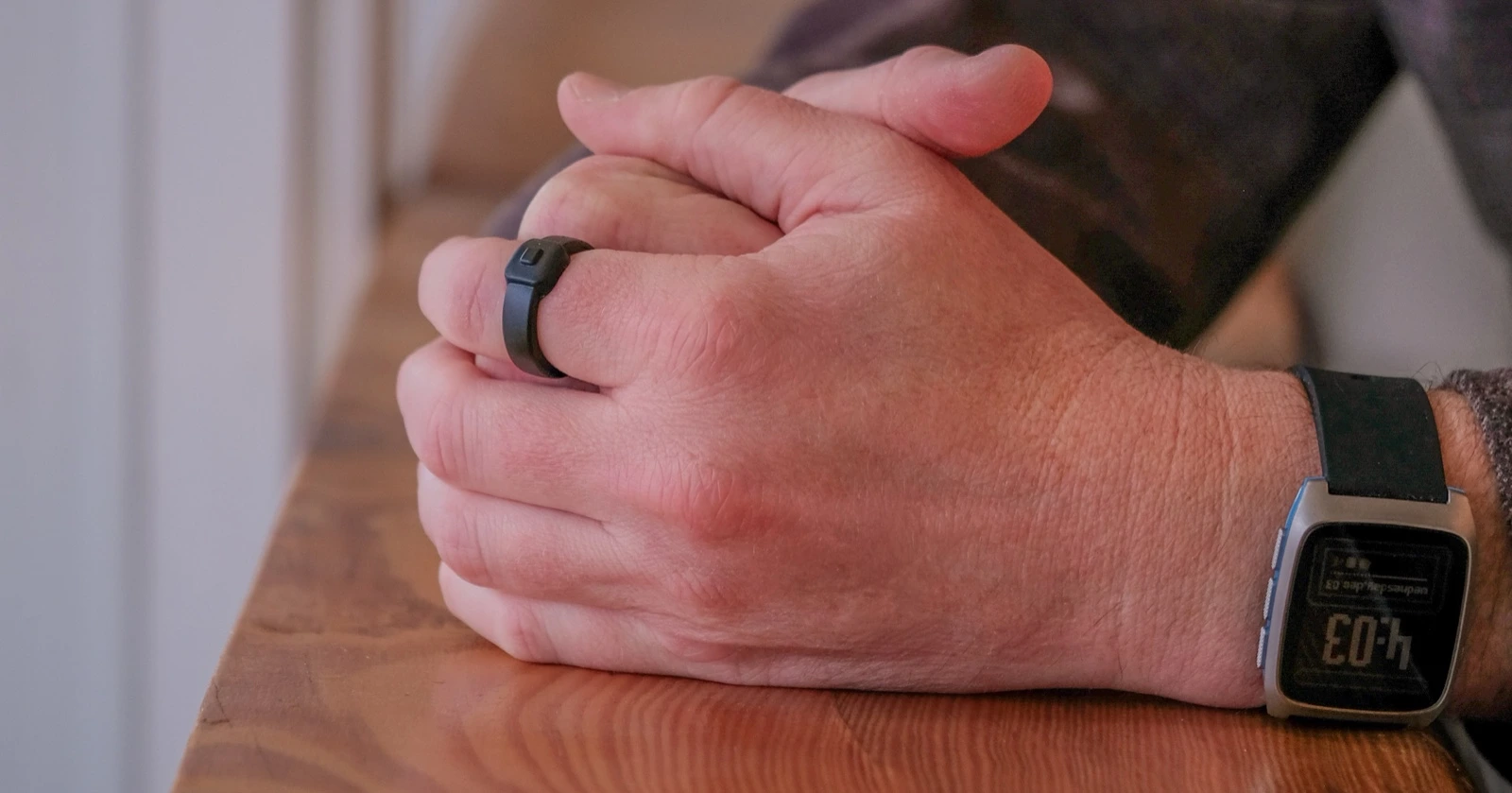
Imagine having a second brain that actually remembers what you forget. Pebble Index 01 is exactly that. It’s a smart wearable designed to track data AND meaning. It is basically a small ring with a button and a microphone. Press the button, whisper your thought, and it’s sent to your phone. It’s added to your notes, set as a reminder, or saved for later review.
For privacy, it requires no internet connection and only records when you press the button. Best part – it has no subscription cost, and the battery lasts for years. That means you never need to charge it!
2. ChatGPT in a Locket – Omi

Imagine wearing ChatGPT in a locket around your neck all day. That’s exactly what Omi is, a tiny, wearable AI companion designed to stay with you all day. It quietly listens and helps you remember when you need it the most. It looks like a small locket that you can wear in your neck or clip onto your clothes, necklace, or bag. Inside, it has microphones and an always-on connection to your phone, letting it capture conversations, ideas, and moments as they happen.
The coolest part is, you don’t talk to Omi like a chatbot. You live your life, and it listens in the background. Later, it turns what it hears into searchable memories, summaries, reminders, and notes. Think of it as a personal memory layer running alongside your life. Now that’s the perfect use of AI in a passive manner.
3. Your glasses made smart – MagitiQ

What’s far more practical than smart glasses? A device that turns any glasses into smart ones. MagitiQ is exactly that. It is a tiny magnetic module that clips onto your existing glasses and turns them into an AI-powered wearable.
Once attached, MagitiQ gives your glasses a camera, microphones, and an AI assistant that can track your eyeballs and see and hear what you do. It can recognise objects, read text, identify people, translate signs, and answer questions about the world in front of you, all without pulling out your phone.
This simple upgrade of what you already have with a quiet layer of intelligence is what made MAgitiQ stand out.
Smart Homes & Everyday AI Appliances
4. AI for Cat Care: AI-Tails (Cat feeder + health monitoring system)
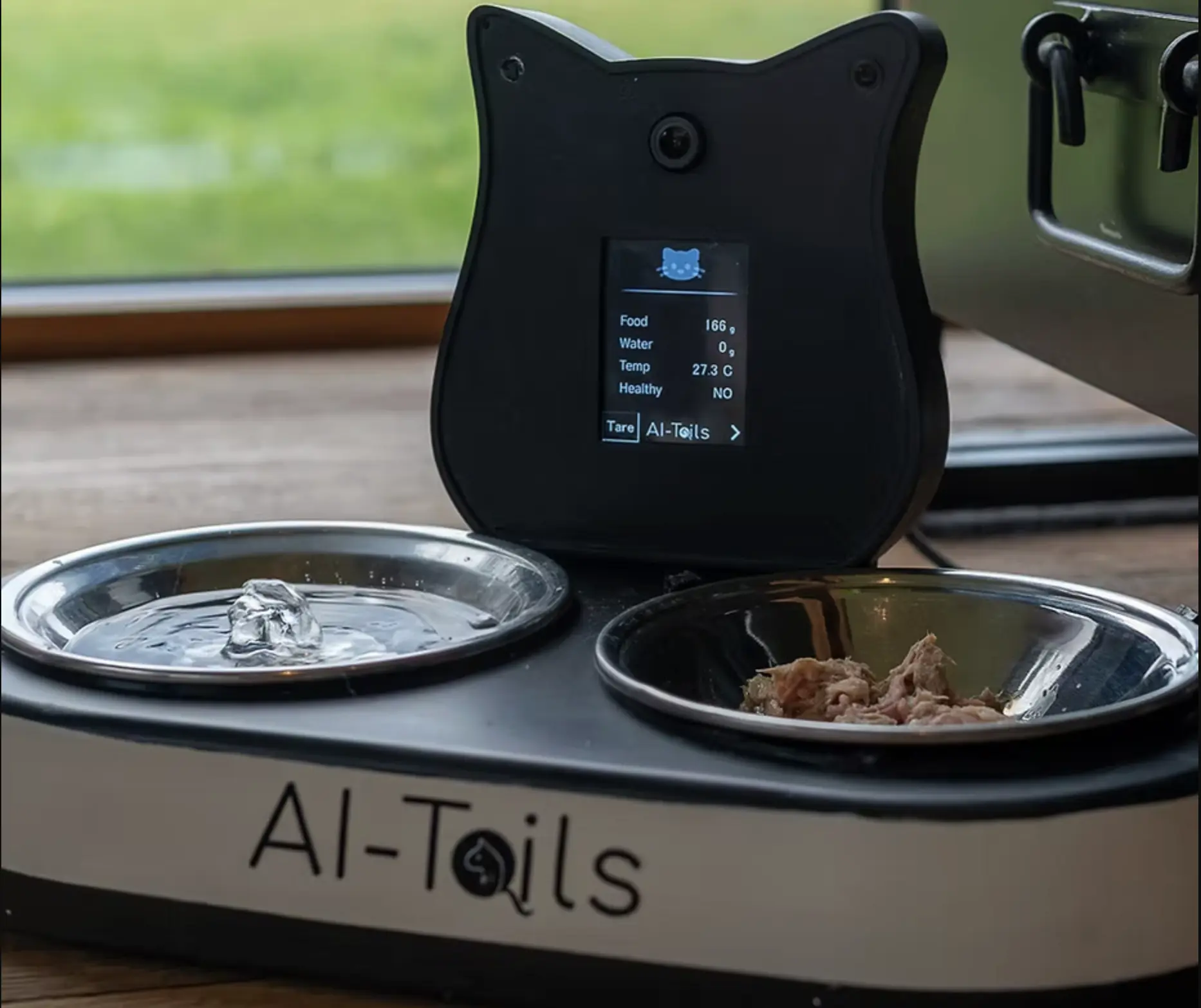
Who says AI can’t take care of pets? AI-Tails is a smart feeding and health-tracking system built specifically for cats. It looks like a normal food station, but inside it uses cameras, weight sensors, and AI to understand how your cat eats, moves, and behaves.
It automatically tracks how much your cat eats, how often it visits the bowl, and whether something feels off. The AI learns your cat’s normal patterns and flags changes that could point to stress, illness, or appetite problems.
This is daily feeding turned into continuous health monitoring. You don’t need to guess if your cat is okay. The system quietly watches and tells you when something changes.
5. Your personal AI Chef – NOSH
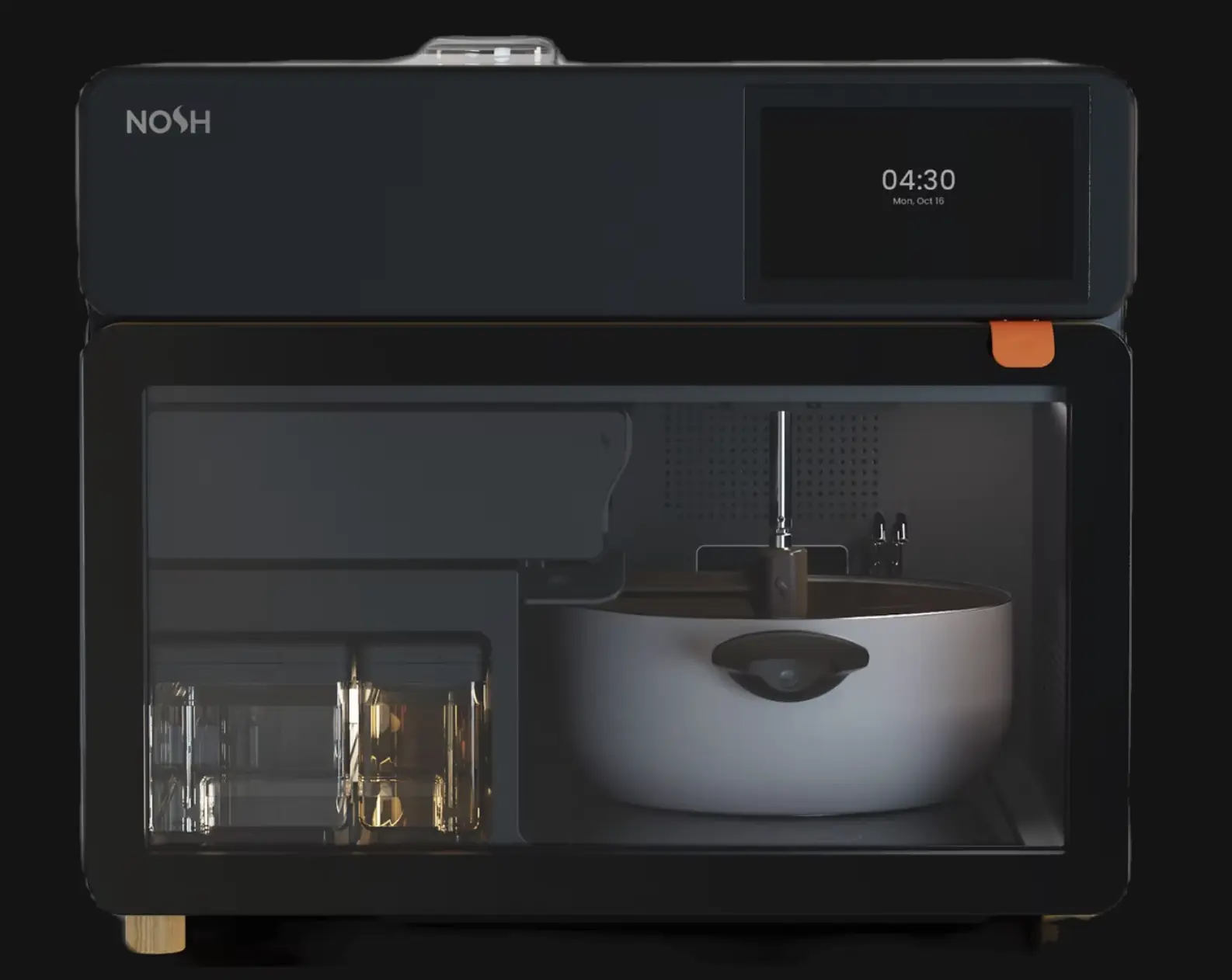
This is one of the most practical applications of AI and robotics, because, well, you need to eat every day. Imagine automating that entire process. NOSH is just that – an AI-powered kitchen assistant that cooks your entire meal. It looks compact and intuitive, but inside it has cameras, precision actuators, and AI that can read recipes, recognise ingredients, and execute cooking steps by itself.
You don’t just get instructions. NOSH does the actual cooking. It chops, sautés, boils, and times dishes with minimal input. Want pasta, fried rice, or a slow-cooked curry? Tell it once, and it handles the rest.
It is a step-over the regular “smart kitchen” and as things stand, way too futuristic in terms of automation in the kitchen.
6. Stair cleaning Robots – Roborock Rover and Dreame
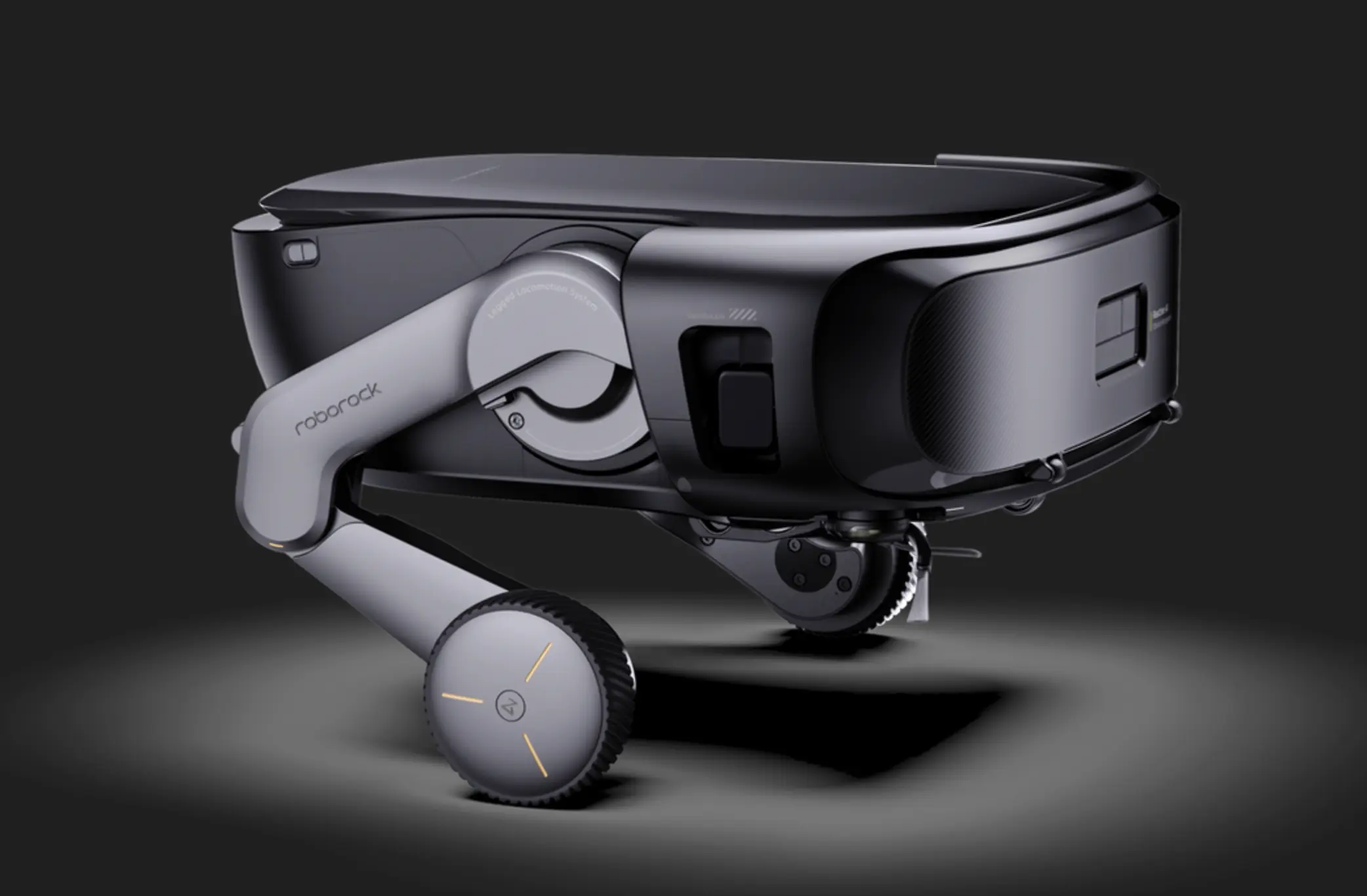
Roborock made a big splash at CES 2026 by unveiling the Saros Rover, the world’s first AI-powered robotic vacuum with a wheel-leg architecture that climbs stairs on its own. Instead of being stuck on one floor or needing human help, Rover uses clever mechanics and on-board sensors to tackle steps, transitions, and multi-level homes without supervision. It vacuums and sweeps with the efficiency you expect from Roborock, but without the “please carry me upstairs” frustration.
Also turning heads in this category was Dreame’s stair-cleaning robot, another CES entry that tackles multi-floor cleaning with autonomous navigation. These are living proofs that stair-smart robots are finally here.
Robotics
7. The new Industrial Revolution – Atlas by Boston Dynamics
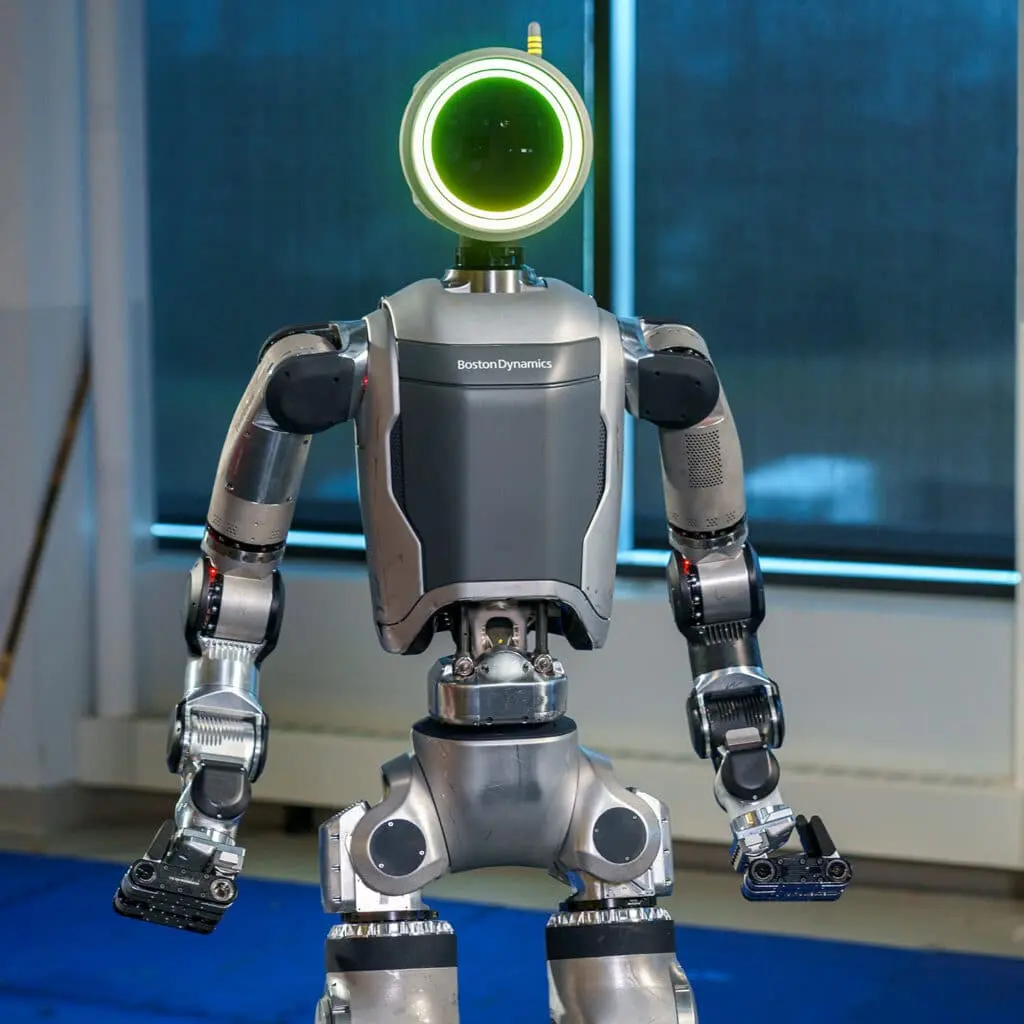
What is the best use case for robots? Autonomous work at factories. And Boston Dynamics, the leading name in the field of robotics, has targeted just that segment with its new Atlas. The company’s most advanced AI-powered humanoid robot won the best robot award at CES 2026, and for all the right reasons.
Atlas feels less like a machine and more like a mobile, autonomous worker. Built to move with unprecedented balance and agility, Atlas can walk, run, jump, and manipulate objects in environments designed for humans. Interestingly enough, the company did not exactly mirror human movements for this. It actually made them better! An example – for walking backwards, Atlas doesn’t turn the whole body but simply rotates its torso 180 degrees.
Moreover, Atlas isn’t just a demo robot. It glimpses at a future where AI-driven robotics can handle inspection, logistics, industrial work, and environments unsafe for people. Make no mistake, it is the most talked-about robotic breakthrough at the show.
8. Unbelievable Dexterity with SharpaWave
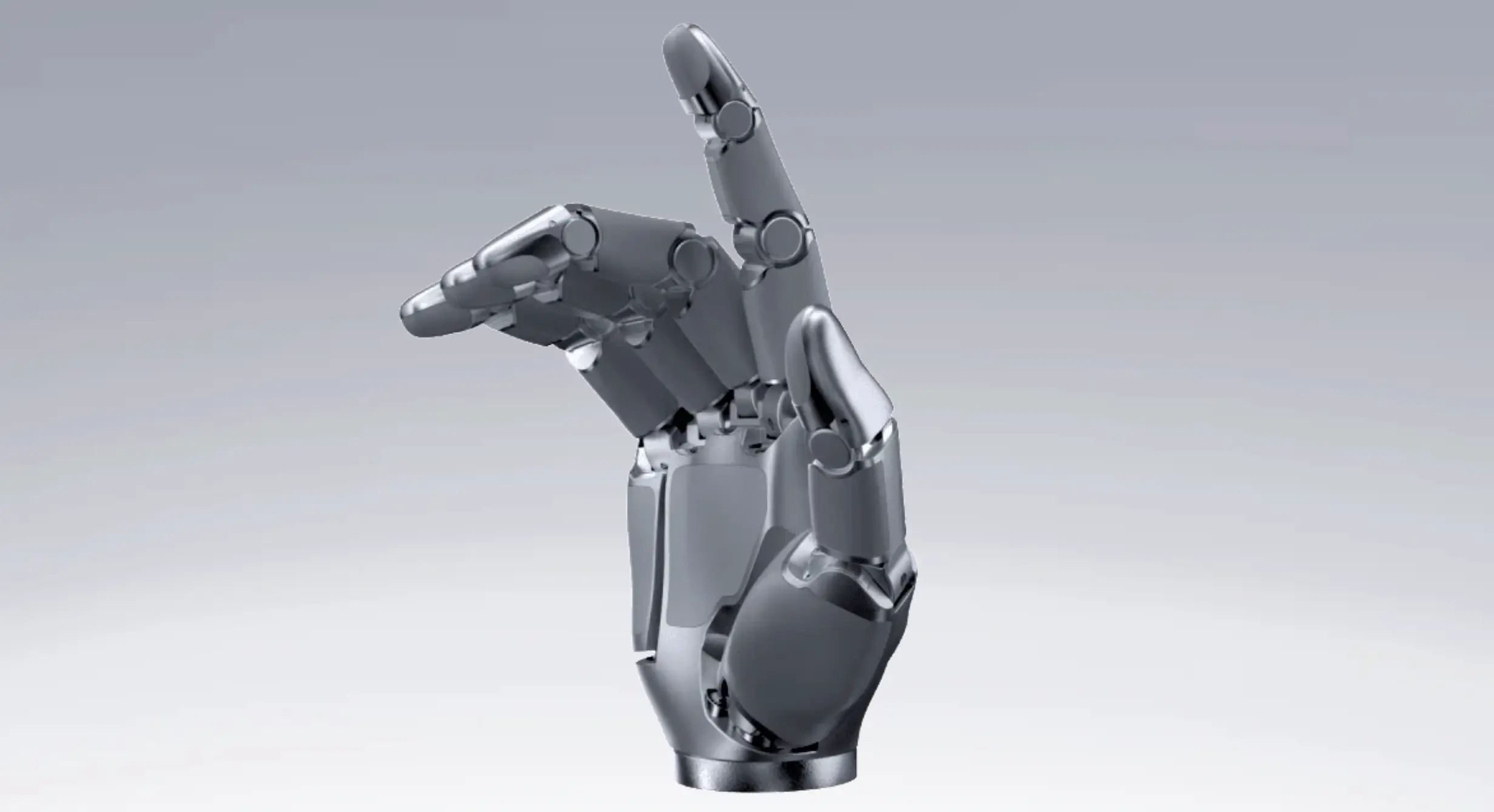
Miss precision in robots? SharpaWave has got your back. It is a breakthrough robotic hand designed to actually feel and manipulate the world with near-human precision. It’s equipped with 22 active degrees of freedom and a proprietary tactile sensing array that marries touch with tiny cameras in each fingertip, letting it sense textures, force, and slip with stunning accuracy, all while gripping and manipulating real objects.
Watch it effortlessly lift multiple cans of sodas with one finger, or perform a dextrous task like using scissors, and you will instantly realise robotics is not what it used to be.
9. Your Permanent Housekeeper – LG CLOiD
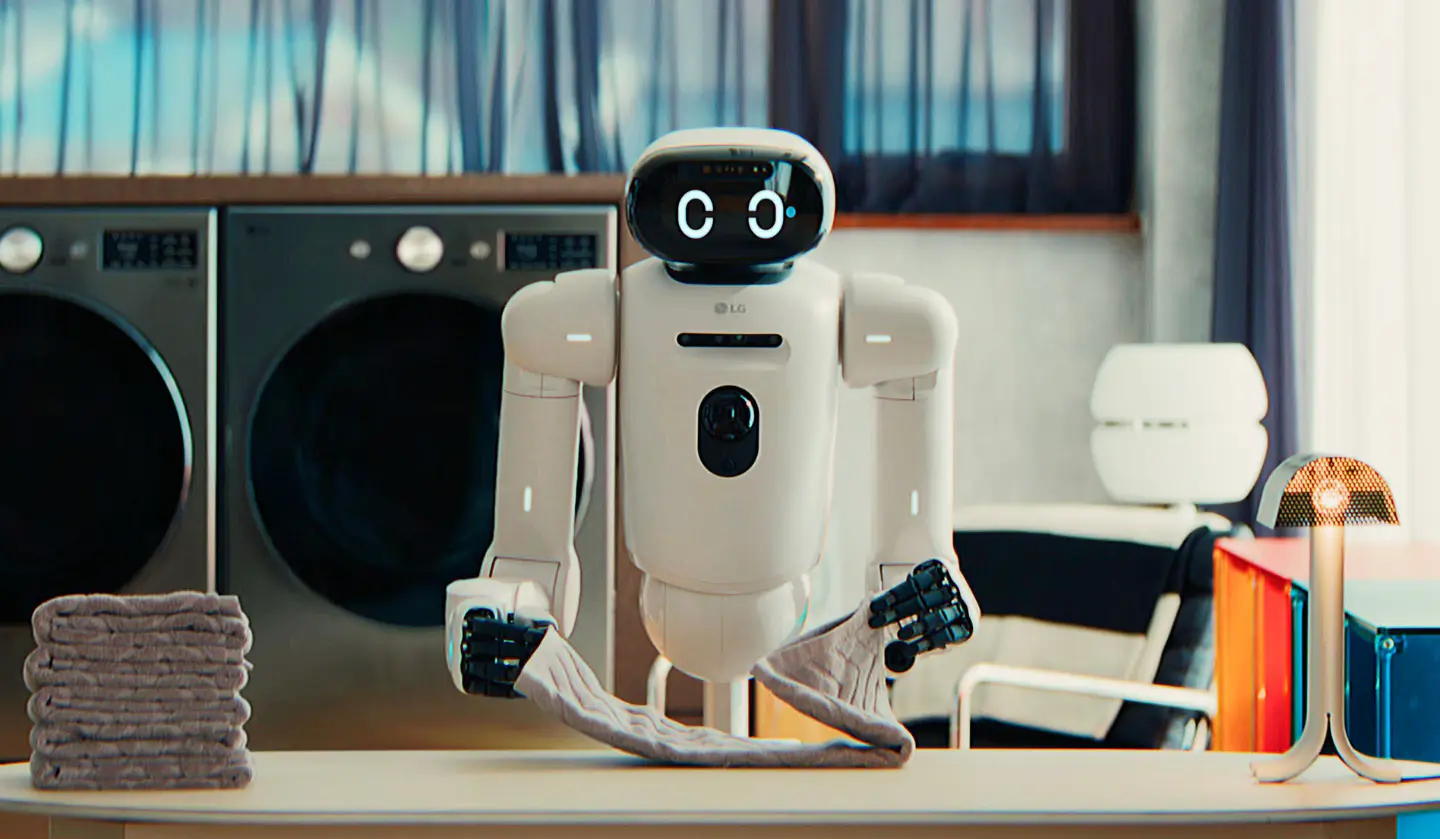
If you hate household chores, this one’s for you. LG brought its vision of an AI-powered “zero-labour home” to CES 2026 with LG CLOiD, a home robot designed to take over everyday chores. These bots use sensors, cameras, and AI to move, recognise objects, avoid obstacles, and help with tasks around the house that would normally eat up your time.
CLOiD can vacuum, mop, assist with delivery, and make daily home management more autonomous. At the show, LG showcased how the robot picked things like towels and dirty clothes from around the house and took them for laundry. It even picked things out from the fridge and cooked a meal too. Now that’s the kind of butler I’d love to have around the house.
10. The Robot Fighters – Engine AI T800
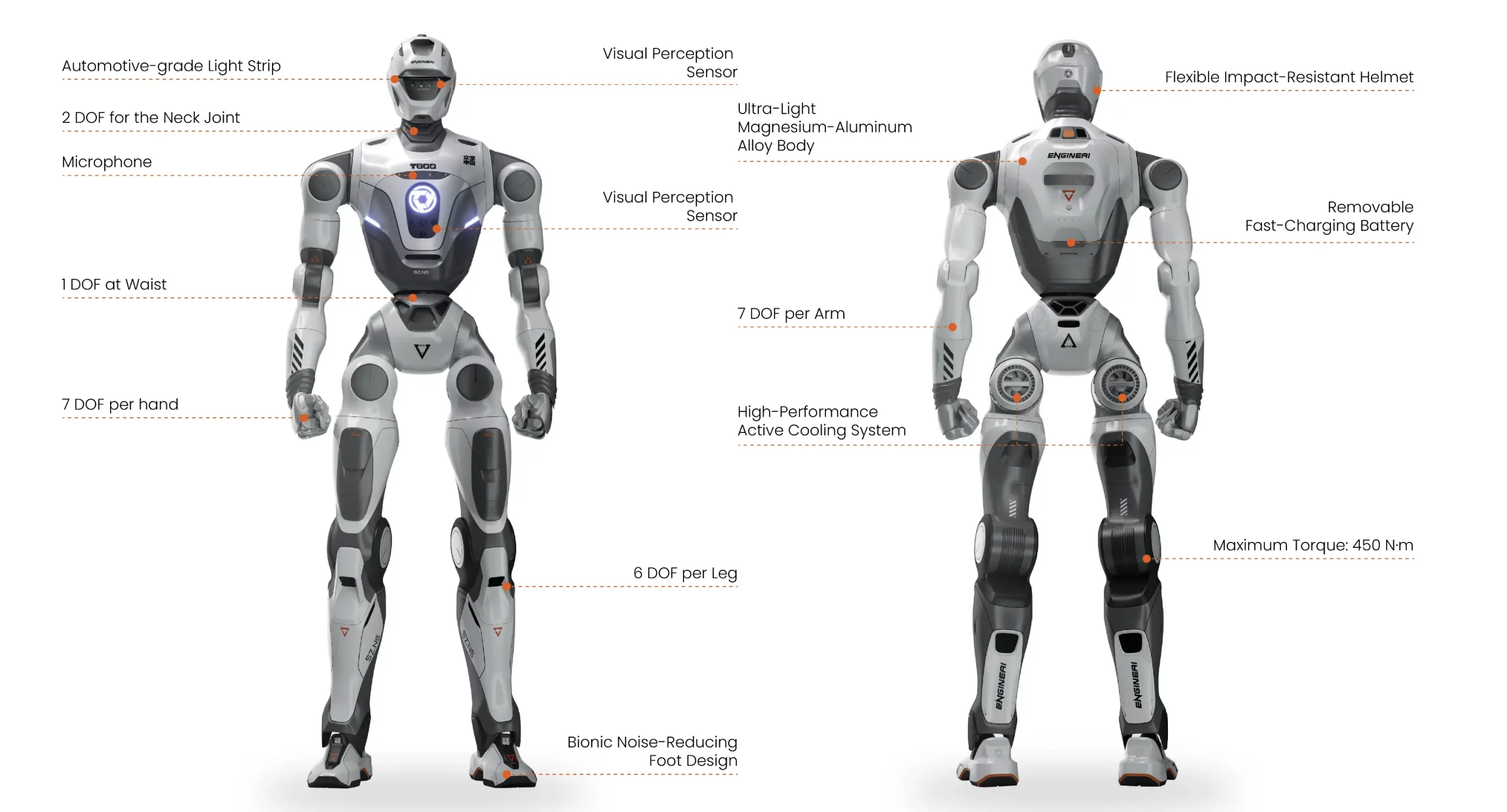
Real Steel is finally coming to life! Engine AI’s T800 looks like it just walked out of a sci-fi film. This AI robot is built for the ring and was seen displaying fighting moves at the CES 2026. With Aviation-grade aluminium alloy panels, 360-degree LiDAR for multi-dimensional perception, a super-cool active cooling system in its leg joints, and martial arts moves, you will instantly see T800 as the ideal sparring partner. Or maybe a bodyguard to keep you safe.
AI Assistants & Pets
11. Sweekar AI Pocket Pet
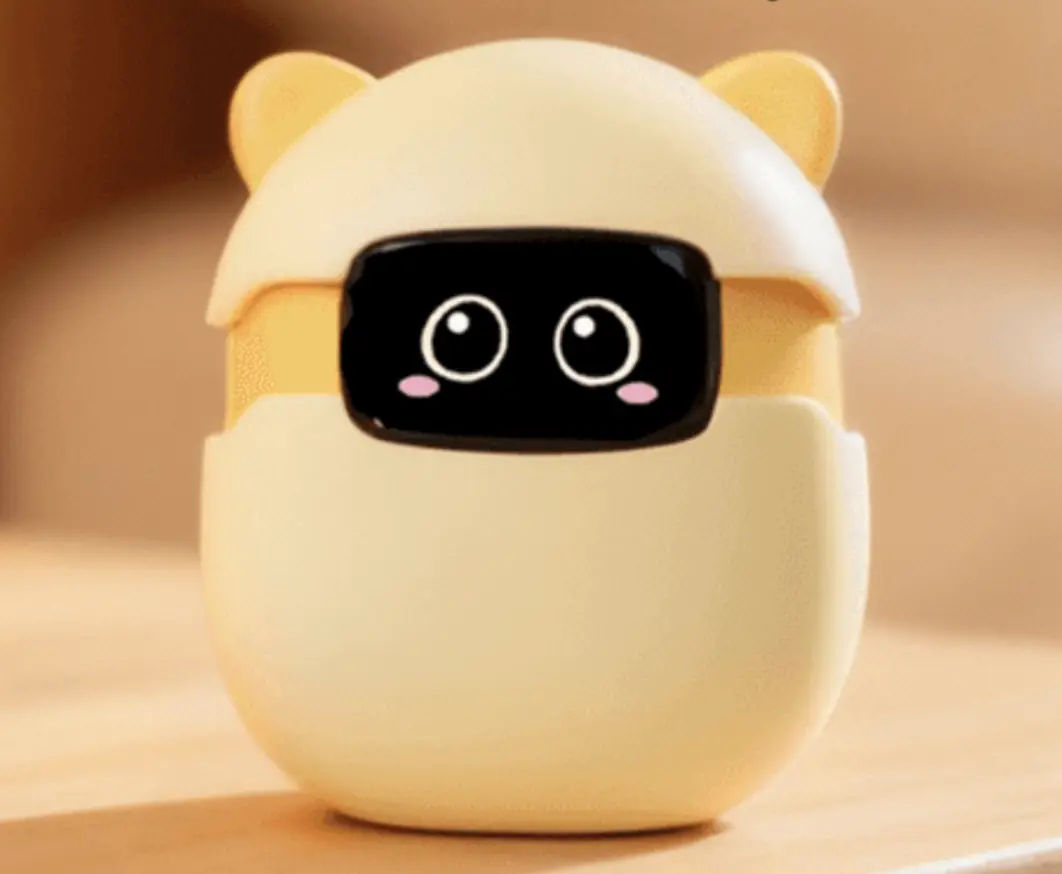
Imagine a pocket pet that really grows up with you. One look at Sweekar AI Pocket Pet and you will know you want to raise this cutie from an egg. Yes, it literally hatches from an egg (or at least attempts to portray that)! This tiny, AI-powered robot companion fits in your pocket, listens, learns, and interacts with you.
The best part, it actually undergoes an entire life cycle – from an egg to an adult, and keeps you on your toes all the while.
I found it an ideal way to put AI into a form factor that feels personal and approachable. It’s like having a mini AI buddy that goes where you go, ready to help, remind, or entertain without bulky hardware or constant tapping.
12. The Cute Duo Niko and Neo by Switchbot AI

Imagine AI wrapped in a cute little ball of fur. That is what SwitchBot is offering with its two new “on-device AI pets” Neo and Niko. These robots form a part of the company’s Kata Friends series and feature small wheels for movement and the power of AI inside. This allows them to recognise family members, respond to gestures, and even acknowledge and replicate emotions.
This blend of physical expressiveness and AI interaction gives you something more than a gadget. It feels like a small, responsive buddy that’s always part of the room.
Computing & Personal Tech
13. A Whole New Way of Computing With Autokeybo
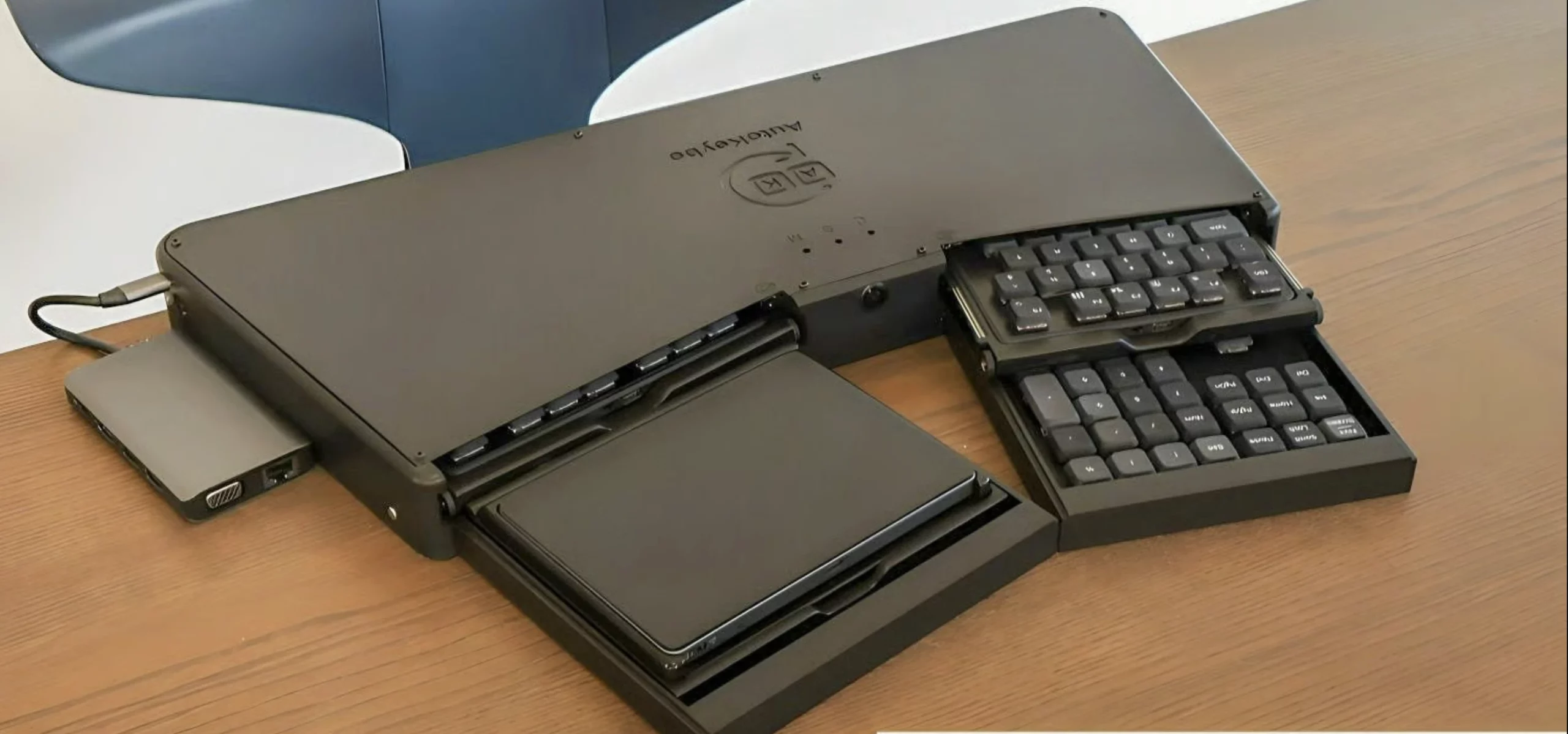
As far as genuine innovation goes, I believe this one takes the cake. If positioned right, Autokeybo has the potential to replace keyboards everywhere. The idea behind it is simple – you should not have to move your hands while using a computer. As you move from keyboard to trackpad or mouse, or even your numpad, with Autokyb, you simply don’t.
In the simplest of terms, it is a Windows 11 PC, integrated with a never-seen-before keyboard. The split keyboard is placed on top of a trackpad on the right and a numpad on the left. To swipe between the keyboard and these, you simply raise your wrist a little, and the trackpad (or the numpad on the left) shoots forward to let you use the cursor. Want to switch back to keyboard, just raise the wrist again and its done.
As the company puts it, Autokeybo’s AI-based switching “discourages pronation, extension, and deviation to promote healthy Wrist posture.” Even the split keyboards and the winged format relieve wrist strain. In addition, the integrated armrest and non-lopsided design prevent shoulder strain. As a content creator who spends hours on a system, I can confirm that it is a real pain point for many.
14. Razer Motoko – The AI Headphones That See and Hear With You
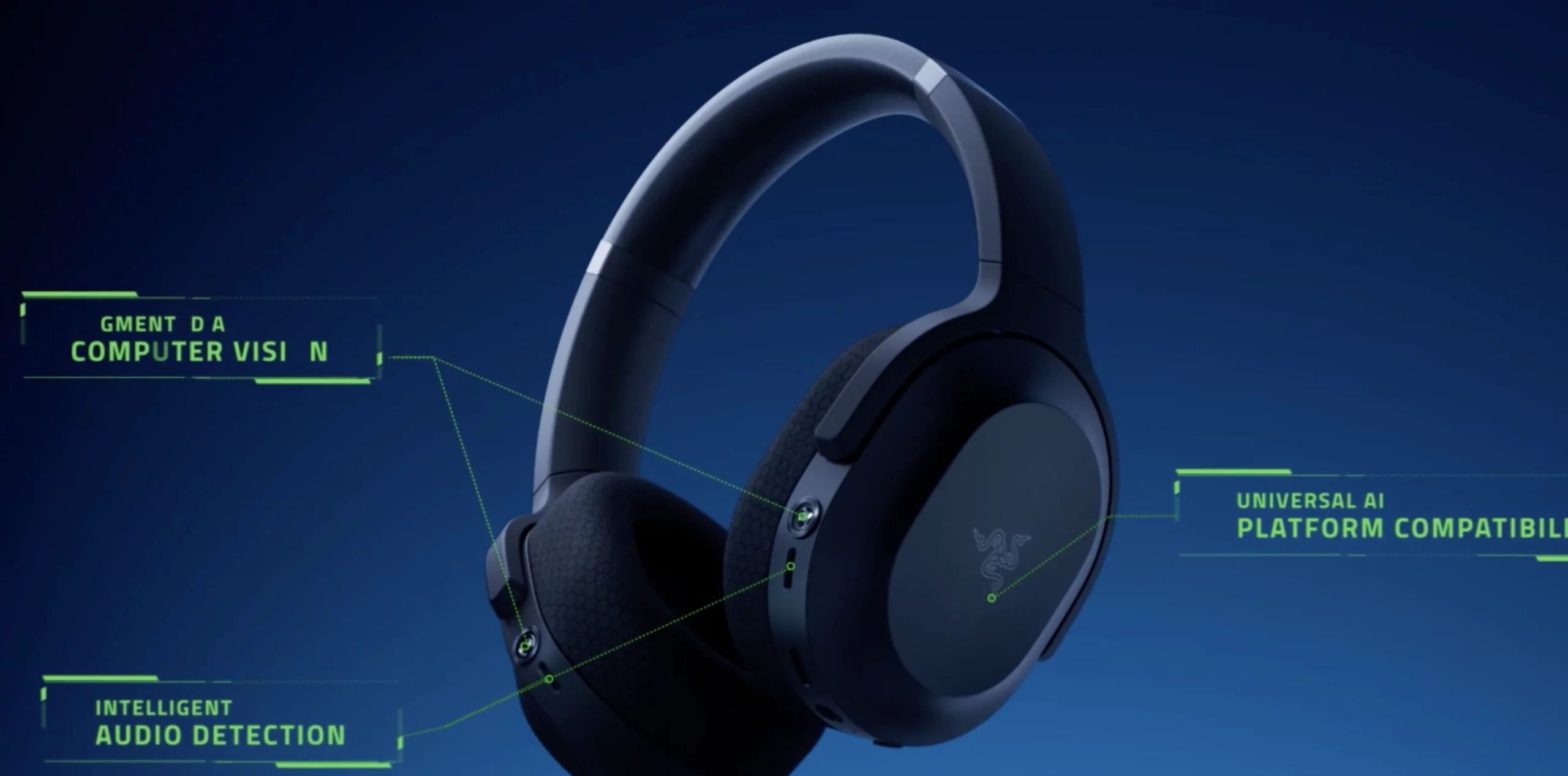
We have all seen AI glasses. But have you ever seen a wearable AI system inside a headphone? Weird as it may sound, Razer has made it a reality, and it comes with some gargantuan promises. It literally sees the world the way you do. With dual first-person cameras placed at eye level, Motoko understands exactly what you are looking at. Text, objects, people, depth, and motion – all captured in real time and fed into AI models.
Add to that its far- and near-field microphones, and Motoko doesn’t just see your world. It hears it too. You can talk to it hands-free, get instant responses, translations, or instructions, and even switch between AI platforms like Gemini, OpenAI, or Grok on the fly.
This is exactly the way AI will be integrated into all our lives in the future. Not in an app that we open, but living and assisting right alongside.
15. AI Takes a Visual Form With Razer AVA

Imagine your favourite AI come to life. Project AVA is just that. It is Razer’s vision of a 24/7 AI companion that lives right on your desk. Instead of being just another assistant in a window, AVA shows up as a 5.5-inch animated 3D hologram that sees, hears, and reacts in real time. Powered by Grok today and built to support multiple AI platforms later, AVA can organise your day, analyse documents, translate conversations, brainstorm ideas, and even coach you while gaming.
With cameras, microphones, and PC screen vision, AVA understands what you’re doing and responds accordingly. At CES 2026, it stood out because it turns AI into a physical presence and not just software. A companion that shares your workspace, gaming stints, and everyday routine. This is literally AI coming to life.
Health & Wellness Tech
16. Omnia – A Smart Mirror That Keeps You Well
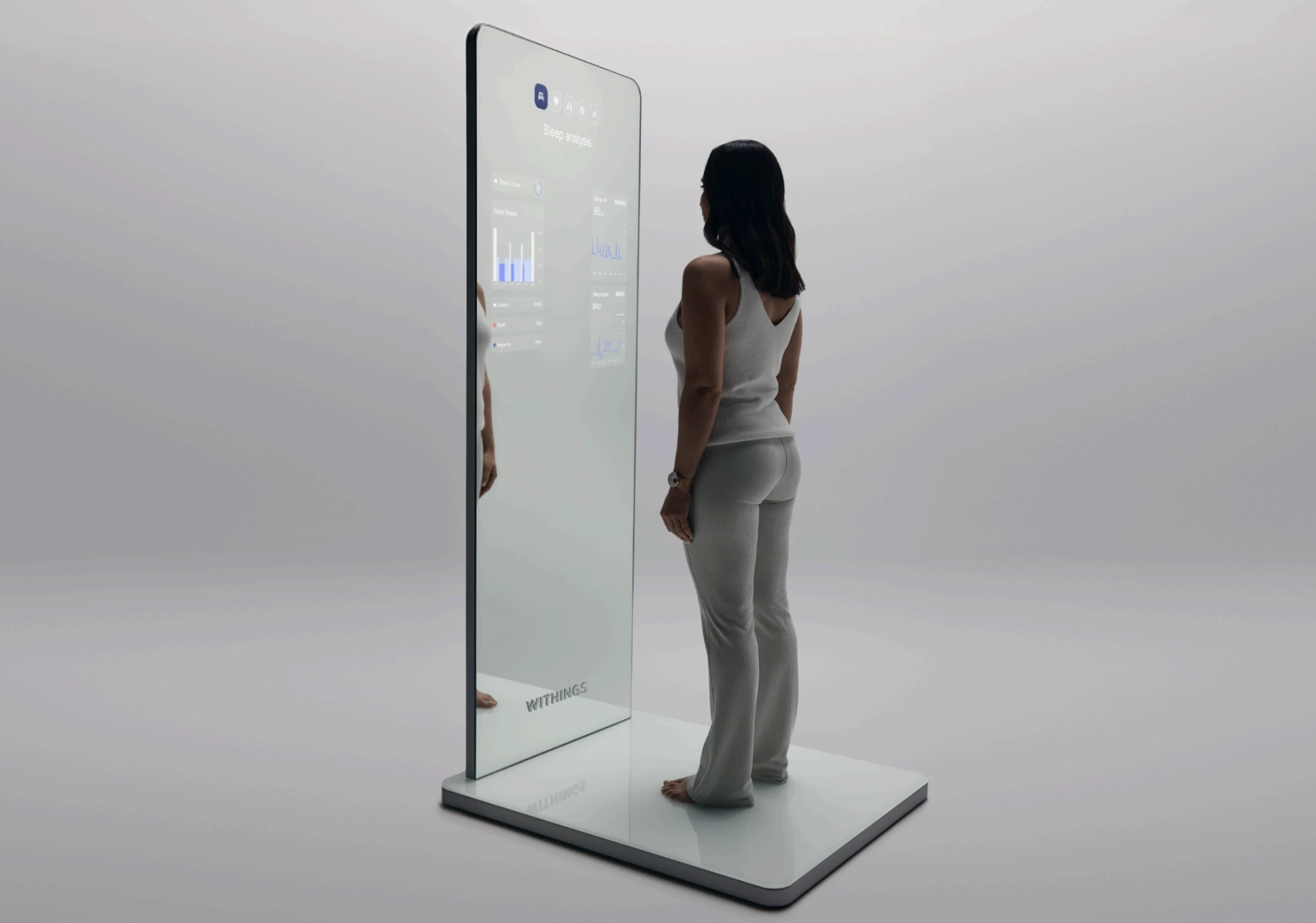
Mirror mirror on the wall, now tells it all. Omnia is Withings’ bold vision of what personal health looks like when AI finally connects all the dots. It is a smart mirror paired with a sensor-packed base that pulls in data from your smartwatch, scale, blood pressure monitor, sleep tracker, even your mattress, and turns it into one complete, living health picture.
Every day, OMNIA runs a full 360-degree health scan. Heart, lungs, sleep, activity, nutrition, body composition – everything shows up in one place on an interactive mirror with a 3D body model. An empathetic AI voice explains what’s happening, what changed, and what you should do next.
With its ease of use and elaborate checkups, it is easy to see how Omnia can quickly become the future of proactive, personalised healthcare.
17. A Healthy Siri now on Your Wrist with Noise Luna Band
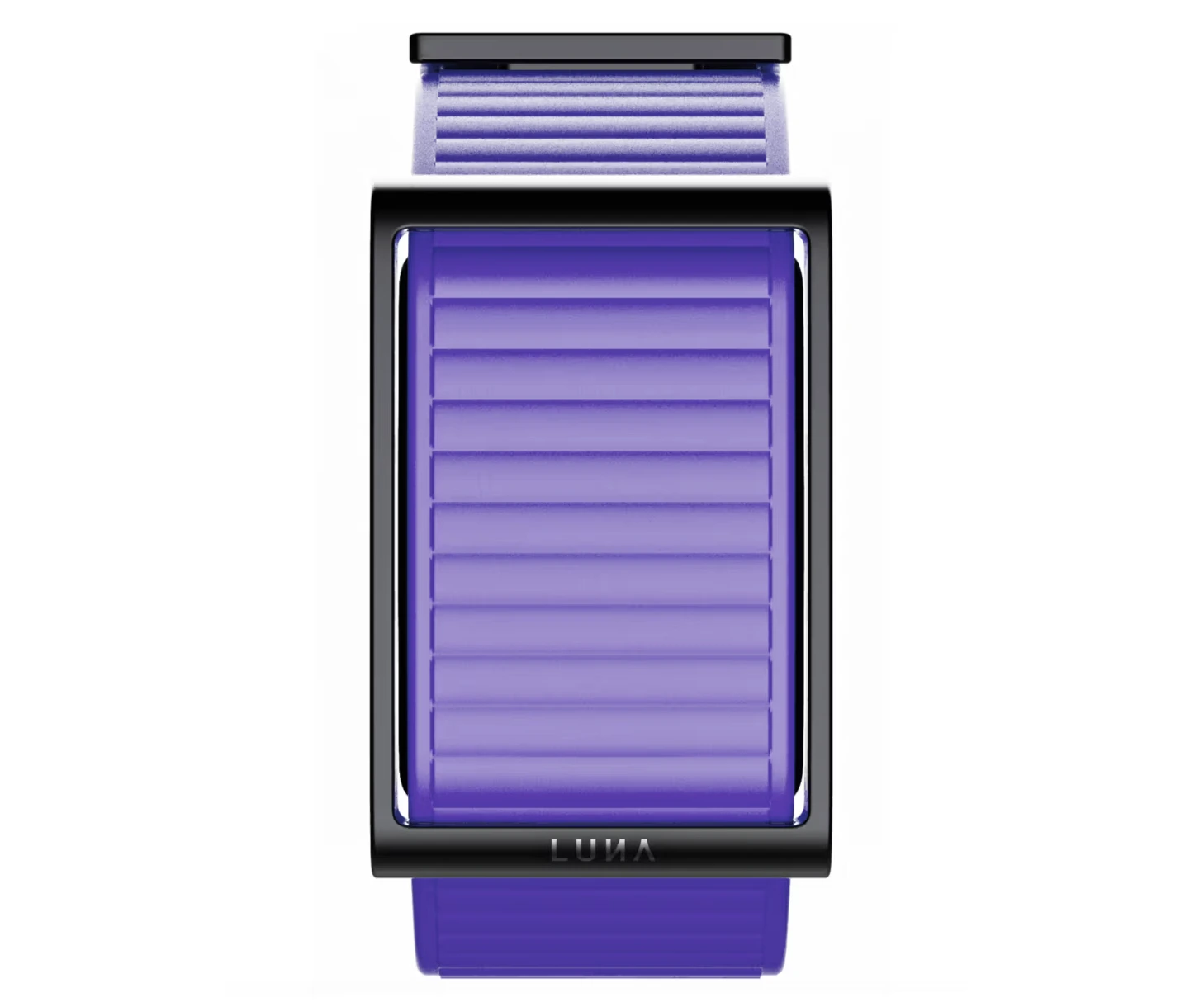
Move over basic step counter. Luna is now directly taking on Whoop, with its voice-aware AI fitness band that goes much beyond a step tracker. Built with mic-based sensors and AI, it listens to your voice and breathing patterns to assess vocal strain, stress, and overall physical exertion in real time. One of the showstoppers in the AI-powered health and wellness space at the CES 2026, it merges biometric activity tracking with health insights tied to your voice, something almost no other wearables do.
You still get the usual fitness metrics (steps, heart rate, calories), but Luna goes a step further. It watches how your voice behaves under load, helping you understand patterns linked to fatigue, stress, and respiratory effort. Best part – you can even speak to it just like Siri, without ever taking out your phone.
For anyone who wants deeper insights into how their body and voice respond to life’s ups, downs, workouts, and conversations, Luna Band makes AI-powered wellness feel personal and practical.
Conclusion
Pick any category you like. There is only one clear takeaway from the CES 2026: AI is here to stay. It is only a matter of time before it gets integrated into different aspects of our lives. From wearables that remember your thoughts to robots that cook, clean, and care. This year’s reveals weren’t just clever, they were deeply human in intent.
As far as I can tell, these products also break a widely popular myth. AI is not about replacing us. It is about amplifying us. If this is what AI looks like today, I am sure the coming years are going to be nothing short of extraordinary.






