Projects are the bridge between learning and becoming a professional. While theory builds fundamentals, recruiters value candidates who can solve real problems. A strong, diverse portfolio showcases practical skills, technical range, and problem-solving ability.
This guide compiles 10 solved projects across AI domains, from basic machine learning to advanced generative AI system. The tools and libraries used for creating them have also been mentioned to assist in picking the right project.
Table of contents
1. AI-Powered Search Engine
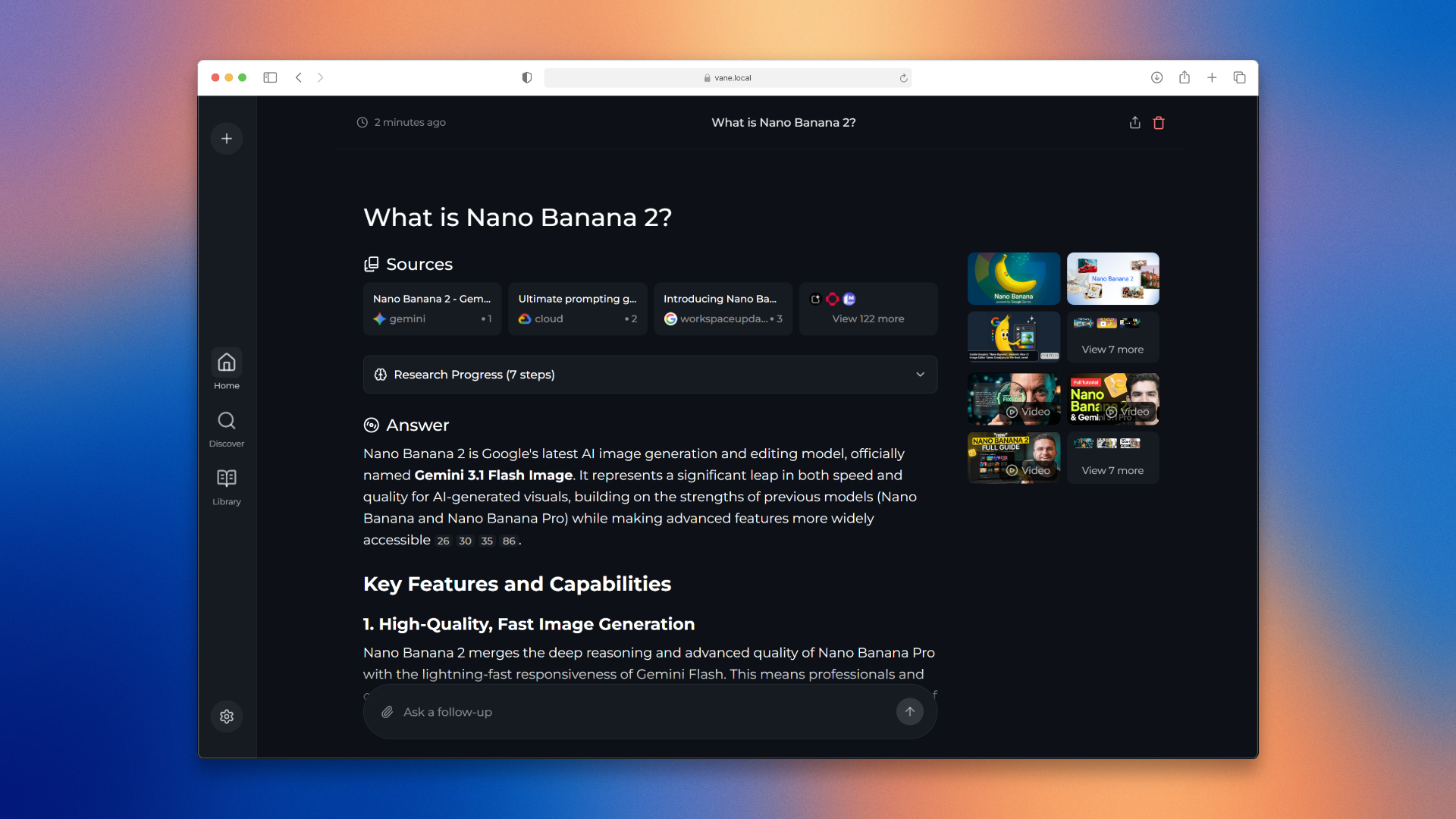
Build an AI-powered search engine that combines web search, embeddings, reranking, and an LLM to return direct, source-backed answers instead of a list of links.
The project can support different search modes, source citations, and specialized searches such as academic or YouTube results. Use Perplexica as a reference for the architecture, then build your own version with fast search and a deeper research mode.
Tools and Libraries: Python, Next.js, SearXNG, Ollama, embeddings, vector search, LLM APIs
What You’ll Learn: Search pipelines, retrieval, reranking, embeddings, grounding, source attribution, and LLM application design.
Source Code: Perplexica GitHub Repository
2. Multimodal AI Podcast Generator
Turn articles, PDFs, URLs, images, or text into a podcast that sounds like a conversation between multiple hosts.
The project should ingest different types of source material, extract the key information, and generate a structured dialogue before converting it into audio. Use Podcastfy as a reference for the workflow, then build your own interface where users can upload sources, choose a podcast style and hosts, and generate the final episode.
Tools and Libraries: Python, Gemini/OpenAI/Anthropic APIs, OpenAI TTS, ElevenLabs, podcastfy, Gradio
What You’ll Learn: Multimodal ingestion, LLM prompting, dialogue generation, TTS, audio processing, and long-form content generation.
Source Code: Podcastfy GitHub Repository
3. AI Music Generation Studio

Build a music-generation application that turns natural-language prompts and lyrics into complete songs.
The project should let users control elements such as genre, tempo, instrumentation, lyrics, and structure, while also supporting remixing and reference audio. Use ACE-Step as a reference for the underlying workflow, then build your own interface that can generate and compare multiple versions of a track.
Tools and Libraries: Python, PyTorch, ACE-Step, Gradio, CUDA, Hugging Face
What You’ll Learn: Diffusion models, audio generation, conditioning, GPU inference, audio processing, and generative media.
Source Code: ACE-Step GitHub Repository
4. Audio + Video Generation App
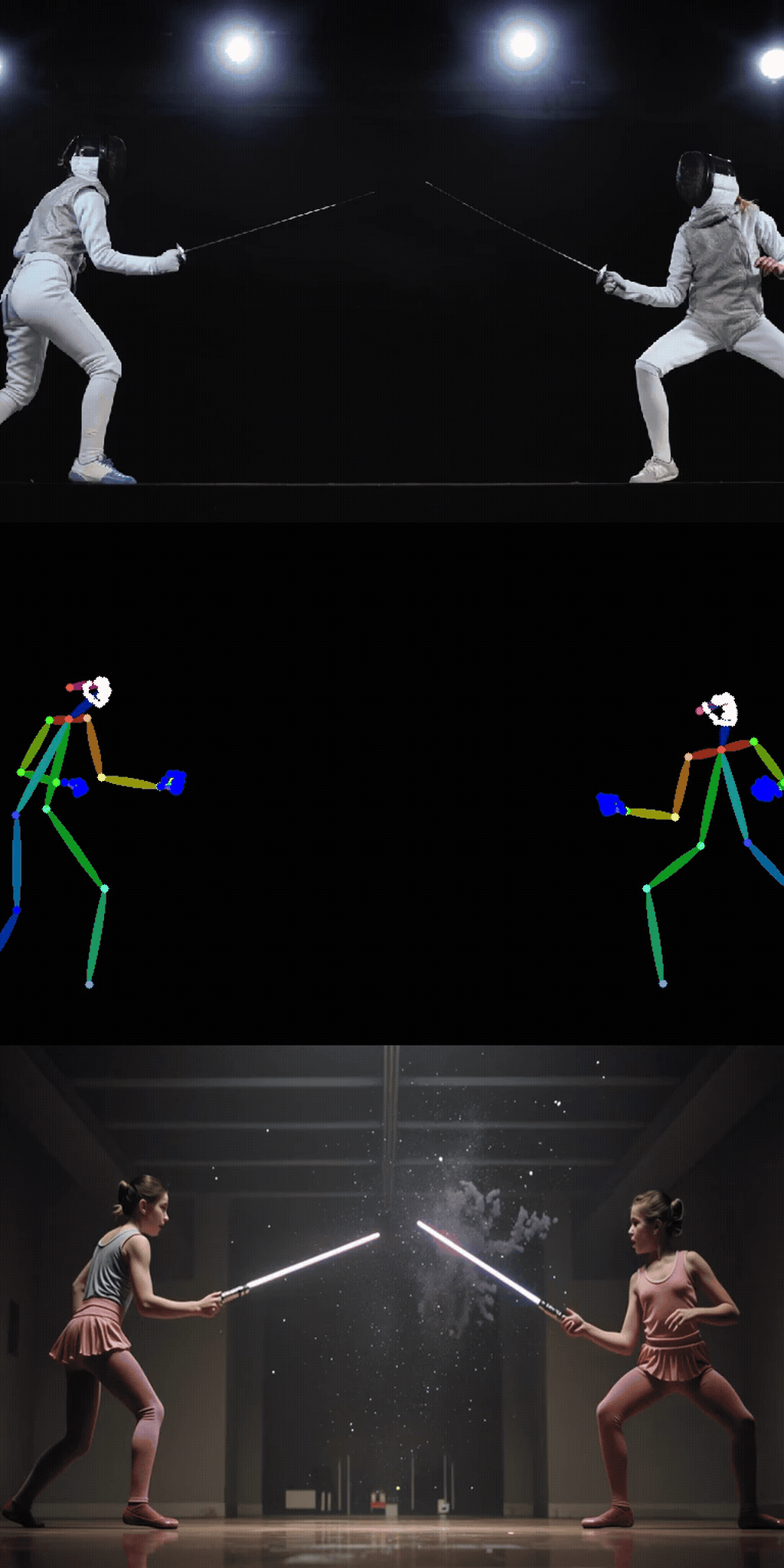
Build a generative video application that creates synchronized audio and video from a single prompt.
The project can support text-to-video, image-to-video, keyframe conditioning, and video transformation, using LTX-2 as a reference for the underlying workflow. Build your own interface where users describe a scene, generate the video with its soundtrack, and refine it using keyframes or reference images.
Tools and Libraries: Python, PyTorch, LTX-2, ComfyUI, Diffusers, CUDA
What You’ll Learn: Video diffusion, audio-video synchronization, conditioning, GPU inference, keyframes, and generative media pipelines.
Source Code: LTX-Video GitHub Repository
5. AI Lip-Sync and Dubbing Tool
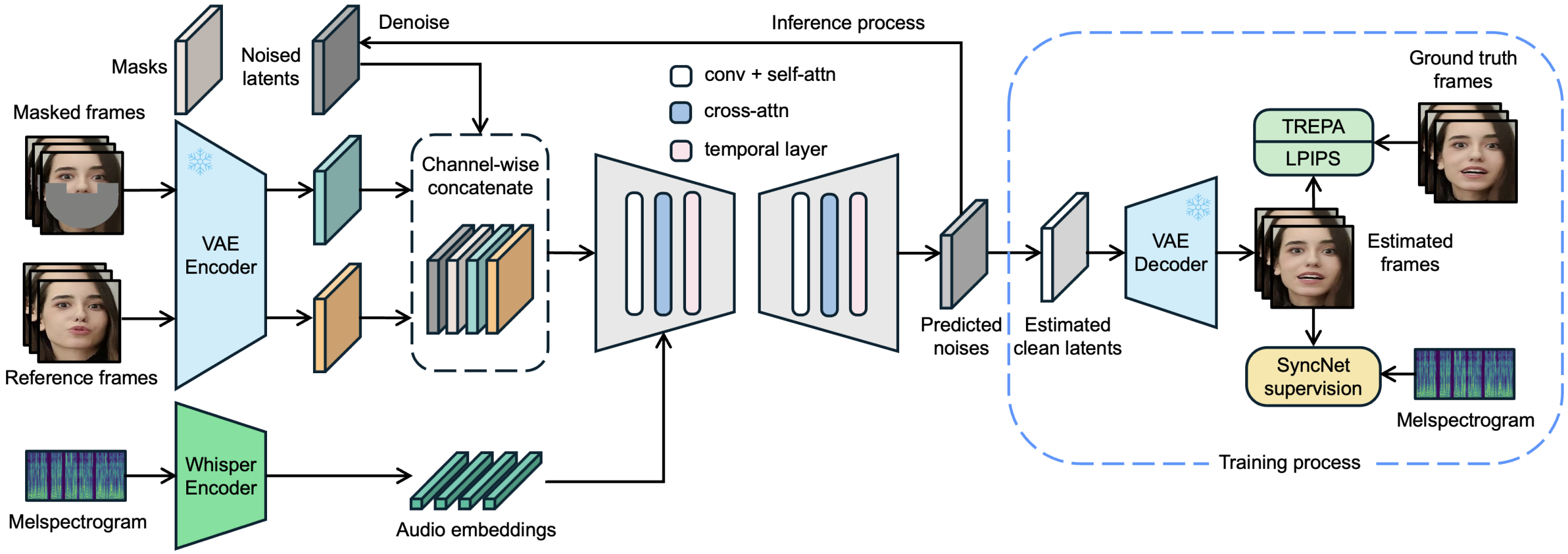
Build a video-dubbing tool that synchronizes a speaker’s lip movements with a new audio track.
Use LatentSync as a reference for the lip-sync pipeline, then build your own interface where users upload a video, add translated audio, generate the synchronized version, and export the final video.
Tools and Libraries: Python, PyTorch, Whisper, Stable Diffusion, LatentSync, FFmpeg, CUDA
What You’ll Learn: Diffusion models, audio conditioning, video processing, temporal consistency, and AI dubbing.
Source Code: LatentSync GitHub Repository
6. Long-Form Multi-Speaker Voice Generator
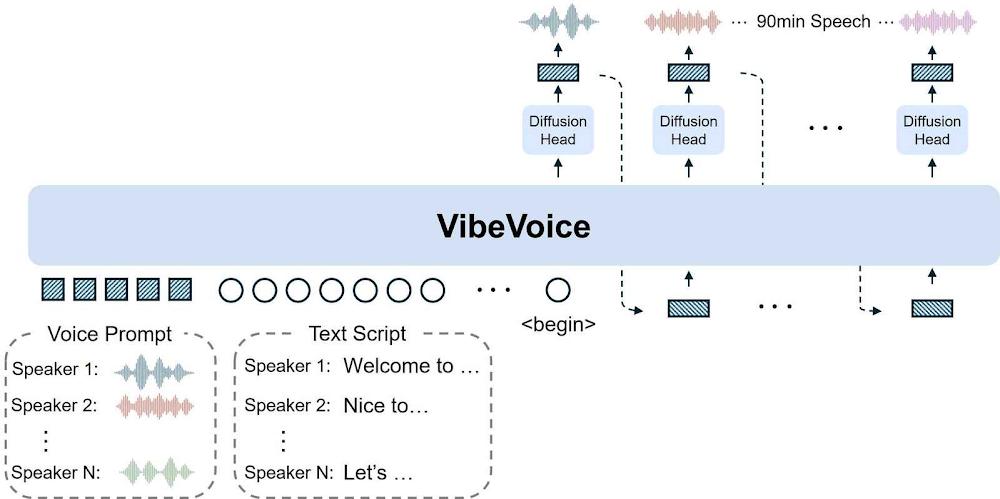
Build an application that turns a written script into a natural conversation between multiple AI speakers.
Use VibeVoice as a reference for generating long-form, multi-speaker audio, then build your own interface where an LLM creates the dialogue, users assign voices to each speaker, and the system produces a complete podcast or audiobook.
Tools and Libraries: Python, PyTorch, VibeVoice, Transformers, Gradio, CUDA
What You’ll Learn: Neural TTS, speaker conditioning, long-form generation, dialogue synthesis, voice cloning, and audio pipelines.
Source Code: VibeVoice Community Repository
8. AI Image Editing Studio
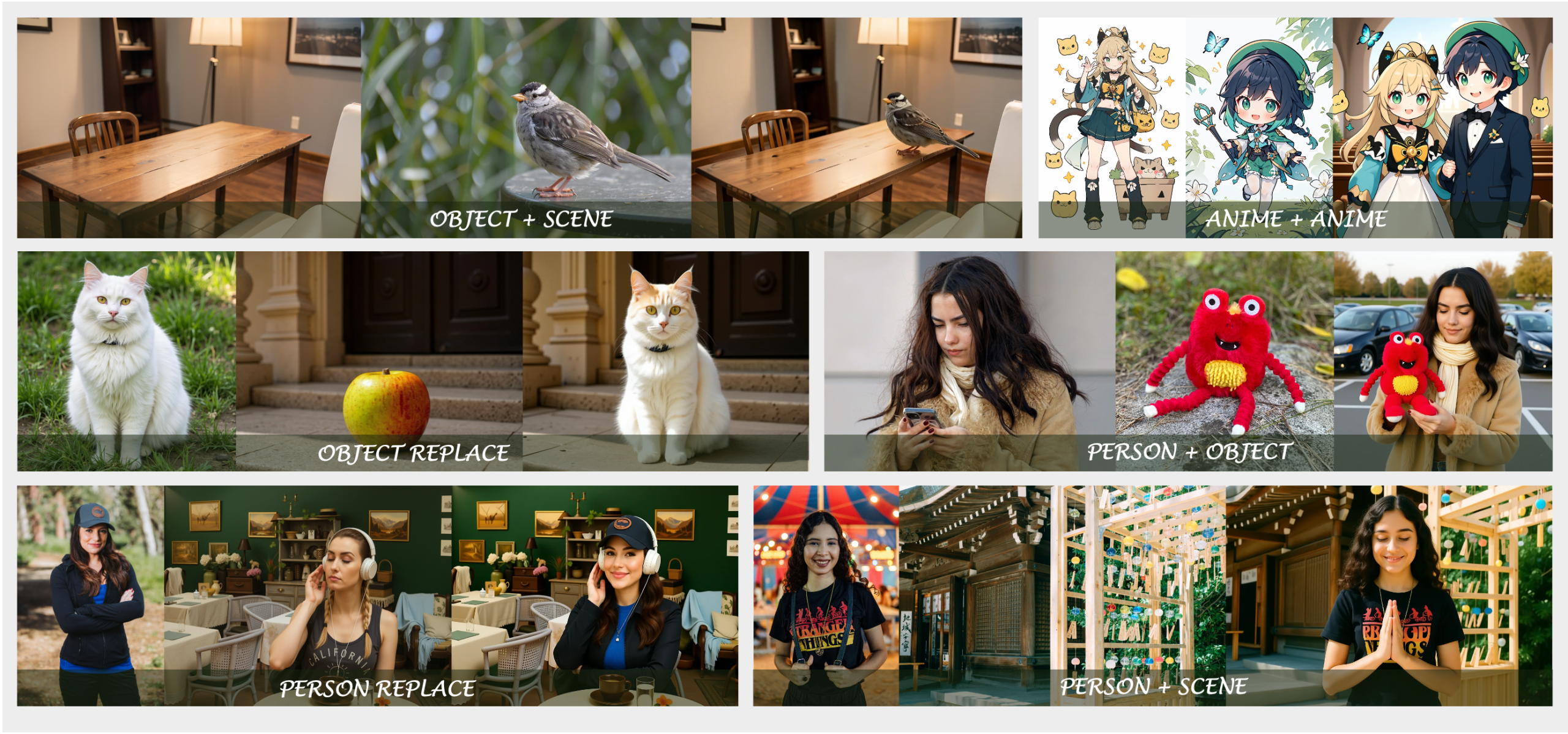
Build an AI image editor that lets users modify existing images using natural-language instructions.
Use OmniGen2 as a reference for instruction-guided image editing, then build your own interface where users can upload an image and make changes such as removing objects, altering colors, or replacing backgrounds with simple prompts.
Tools and Libraries: Python, PyTorch, OmniGen2, Gradio, Hugging Face, ComfyUI
What You’ll Learn: Multimodal prompting, image conditioning, image editing, diffusion models, and visual generation.
Source Code: OmniGen2 GitHub Repository
9. AI Presentation Generator
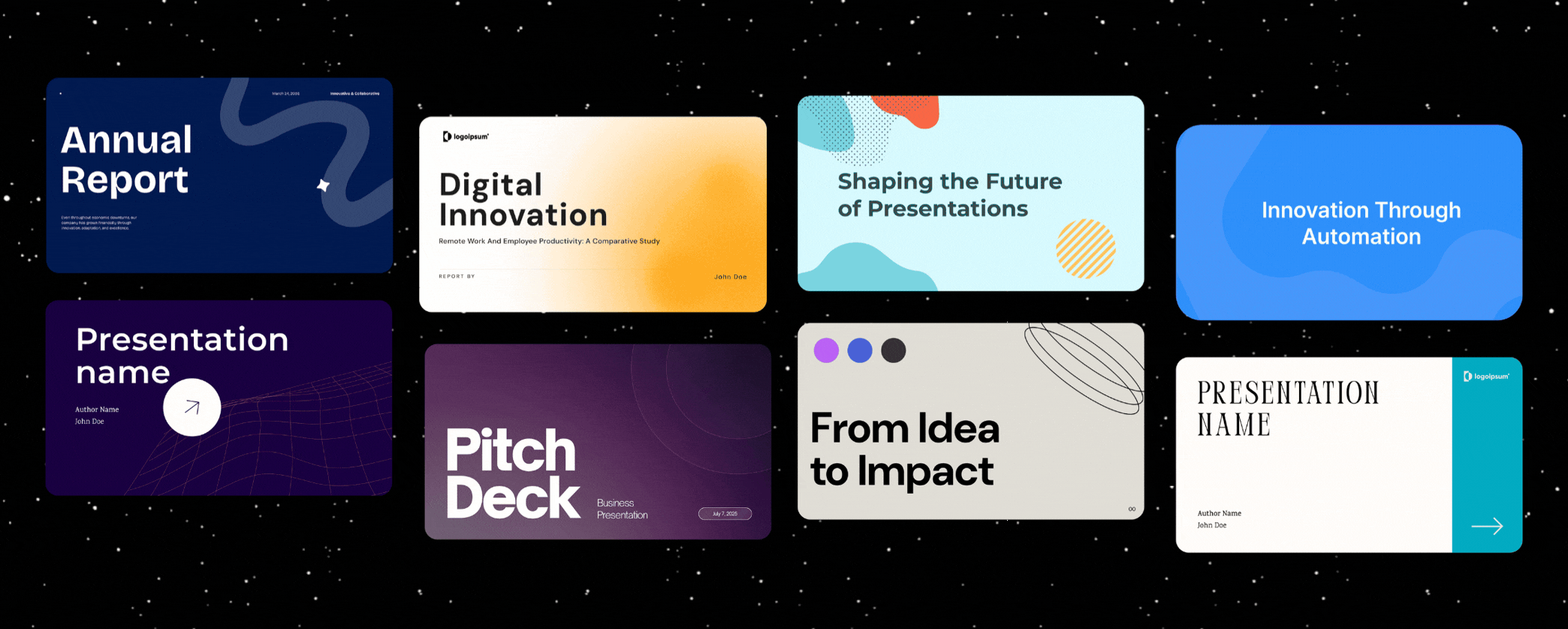
Build an AI presentation generator that turns a topic, document, dataset, or existing presentation into an editable PowerPoint deck.
Use Presenton as a reference for the workflow, then build your own version with a research stage that gathers information, creates an outline, selects layouts, generates visuals, and exports the finished presentation as an editable PPTX.
Tools and Libraries: TypeScript, React, Python, PPTX generation, LLM APIs, image-generation APIs
What You’ll Learn: Structured generation, document processing, presentation automation, template systems, multimodal AI, and API integration.
Source Code: Presenton GitHub Repository
10. Deep Research Assistant
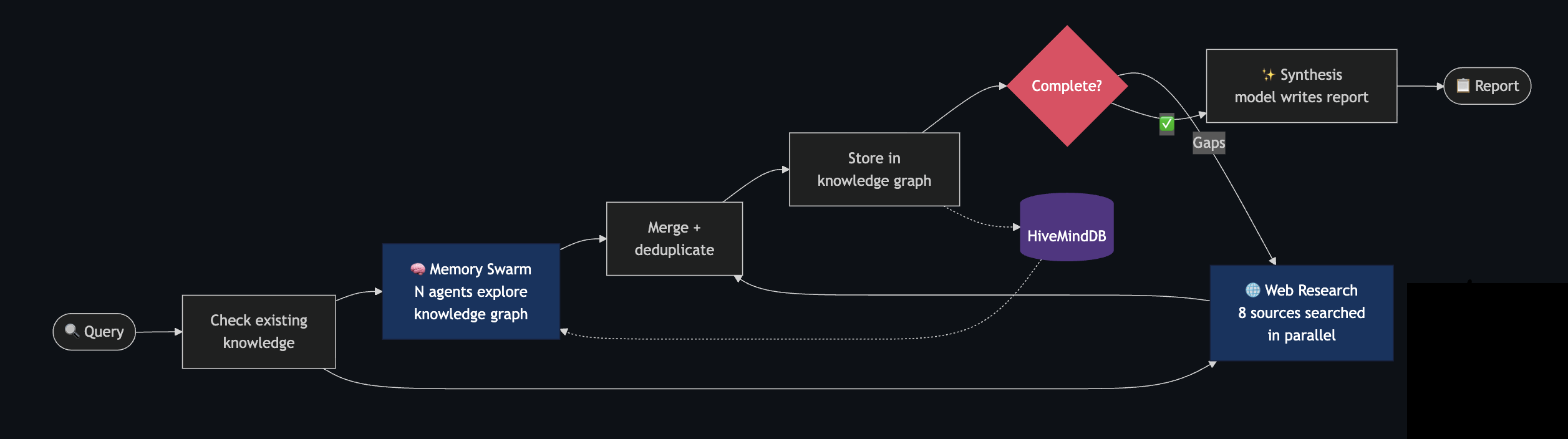
Build an AI research assistant that breaks down a question, searches multiple sources, verifies findings, and compiles the results into a structured report.
Use DeepResearch as a reference for the research workflow, then build your own version with source retrieval, parallel research, and persistent context. Have the final report include citations, source snippets, conflicting claims, and a bibliography instead of a single generated answer.
Tools and Libraries: Python, FastAPI, LLM APIs or local LLMs, SearXNG, vector search, knowledge graphs, Docker
What You’ll Learn: Multi-step LLM workflows, retrieval, research planning, knowledge graphs, source verification, and report generation.
Source Code: DeepResearch GitHub Repository
Conclusion
These 10 projects cover very different parts of the current Generative AI stack. You can work with web search, multimodal inputs, audio, music, video, image editing, presentations, research systems, and natural-language data analysis.
The important part is to take the reference implementation further. Add your own interface, introduce evaluation, handle failures, expose an API, or combine multiple models into one workflow. That is what turns an open-source demo into a project worth putting on a portfolio.
Read more: 20+ Solved AI Projects for Your Resume
Frequently Asked Questions
Q1. What kind of generative AI projects are included in this article?
A. The article covers portfolio-ready projects across AI search, podcast generation, music generation, video generation, lip-syncing, voice generation, image editing, presentations, deep research, and natural-language data analysis.
Q2. Why are GitHub links included with each project?
A. The GitHub links give readers working reference implementations they can study, customize, and extend into stronger portfolio projects.
Q3. How can someone make these open-source demos stand out in a portfolio?
A. They can add a polished interface, evaluation features, error handling, API access, or combine multiple models into a complete workflow rather than simply copying the original demo.
Studying, evaluating, and explaining AI systems for over 6 years.
“𝘖𝘯𝘤𝘦 𝘮𝘦𝘯 𝘵𝘶𝘳𝘯𝘦𝘥 𝘵𝘩𝘦𝘪𝘳 𝘵𝘩𝘪𝘯𝘬𝘪𝘯𝘨 𝘰𝘷𝘦𝘳 𝘵𝘰 𝘮𝘢𝘤𝘩𝘪𝘯𝘦𝘴 𝘪𝘯 𝘵𝘩𝘦 𝘩𝘰𝘱𝘦 𝘵𝘩𝘢𝘵 𝘵𝘩𝘪𝘴 𝘸𝘰𝘶𝘭𝘥 𝘴𝘦𝘵 𝘵𝘩𝘦𝘮 𝘧𝘳𝘦𝘦. 𝘉𝘶𝘵 𝘵𝘩𝘢𝘵 𝘰𝘯𝘭𝘺 𝘱𝘦𝘳𝘮𝘪𝘵𝘵𝘦𝘥 𝘰𝘵𝘩𝘦𝘳 𝘮𝘦𝘯 𝘸𝘪𝘵𝘩 𝘮𝘢𝘤𝘩𝘪𝘯𝘦𝘴 𝘵𝘰 𝘦𝘯𝘴𝘭𝘢𝘷𝘦 𝘵𝘩𝘦𝘮.” — 𝖥𝗋𝖺𝗇𝗄 𝖧𝖾𝗋𝖻𝖾𝗋𝗍, 𝖣𝗎𝗇𝖾