Let’s be real: the world of AI image generation is moving at a dizzying pace. One week, a new model drops that can perfectly render human hands; the next, another one comes along that’s faster and runs on your laptop. It’s a great time to be a creator, but it’s also confusing. Which tool should you actually use? We’re putting two fascinating contenders head-to-head: Alibaba’s Qwen Image vs the new, intriguingly named Nano Banana.
One is a polished powerhouse from a tech giant, known for its incredible detail and text-rendering abilities. The other is a lean, fast, and efficient model that promises quality without the wait. But when the pixels settle, which one is actually better for you? Let’s find out.
Table of contents
How to Access?
I have used the chatbot interface for this article. Here’s how you can access both the models:
- Nano Banana: You can simply download the app on your phone or visit Gemini/Google AI Studio and access the model by selecting 2.5 Flash at the top and clicking on “Create Images” under the Tools section.
- Qwen Image: You can simply download the Qwen Chat app on your phone or visit Qwen, select a Qwen model, and click on “Image Generation” or “Image Edit” to start creating.
Meet the Contenders
Before we get to the hands-on showdown, let’s get to know our two artists.
Qwen Image: The Polished Professional
Think of Qwen Image as the seasoned heavyweight in this fight. Backed by Alibaba, it’s part of the larger Qwen family of AI models. Its claim to fame is that it’s one of the very few models that can actually get text right. For anyone who’s tried to generate a simple sign or logo with AI, you know the pain of watching it produce garbled, alien-like script. Qwen Image largely solves this, making it a go-to for more practical, design-oriented tasks.
- Strengths: High-fidelity images, excellent text generation, great for creating polished, “final” assets.
- Best For: Designers, marketers, and anyone who needs text and image to work together perfectly.
Nano Banana: The Speedy Innovator
Nano Banana is the nimble newcomer. It’s smaller, built for speed, and represents a newer class of models known as Latent Consistency Models (LCMs). Without getting too technical, LCMs are designed to generate images in far fewer steps than traditional models. This means you get your image in a fraction of the time. The promise of Nano Banana is “good enough, right now.” It’s designed for rapid iteration, brainstorming, and getting ideas out of your head and onto the screen as fast as possible.
- Strengths: Incredibly fast generation, efficient (can run on less powerful hardware), great for brainstorming and rapid prototyping.
- Best For: Artists, developers, and creators who value speed and want to experiment with many ideas quickly.
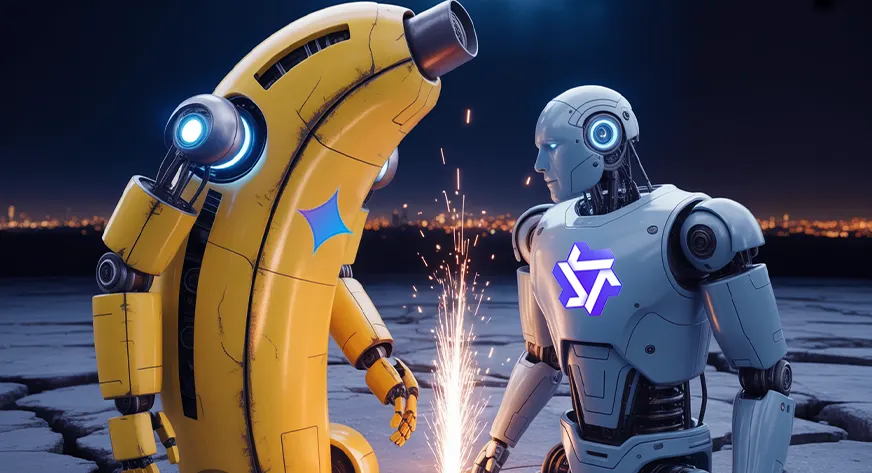
The Hands-On Showdown: Let’s Make Some Images
Talk is cheap. Let’s see how these two models perform on a few real-world tasks. I used the same prompts for both models to keep things fair.
Task 1: The Practical Text & Logo Challenge
Goal: Test the ability to create a brand-ready logo that combines a graphic with accurate, stylized text.
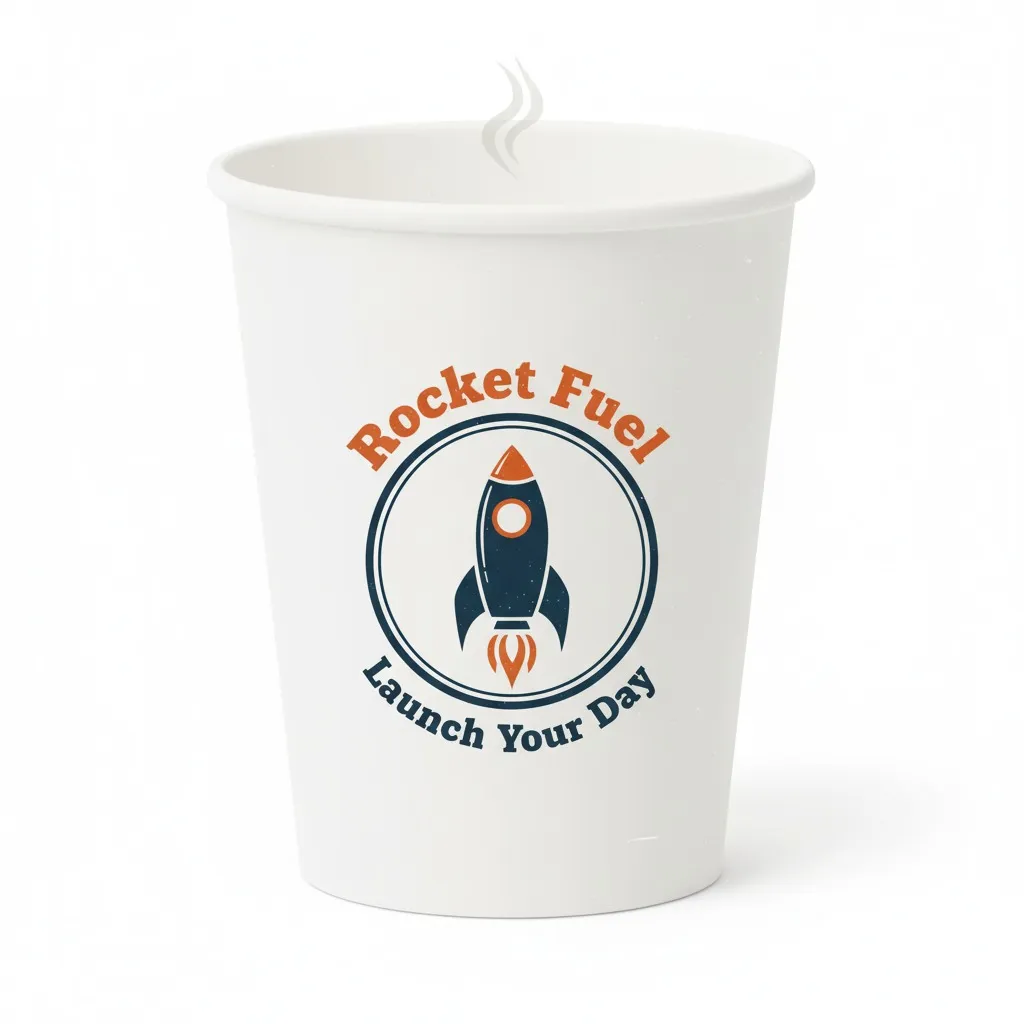
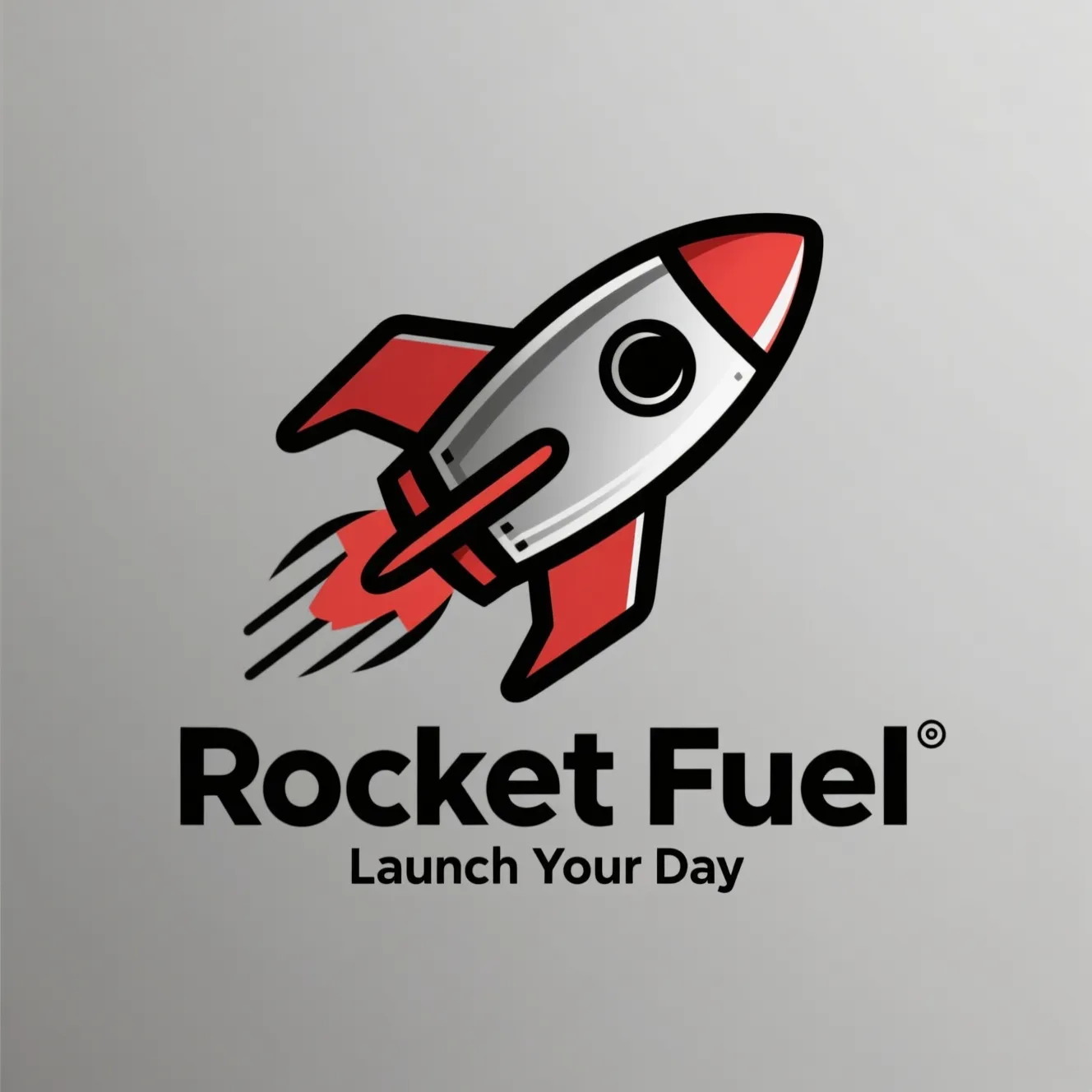
Prompt: “Create a logo for a new coffee brand called ‘Rocket Fuel’. The logo should feature a retro-style rocket ship and include the tagline ‘Launch Your Day’. The style should be minimalist and suitable for a coffee cup.”
Nano Banana’s Output:
Qwen Image’s Output:
Review:
Both the models performed satisfactorily, with a twist of their own! Nano Banana created a visually appealing image inspired by the prompt, but went ahead and implemented it on a glass cup, which wasn’t asked for. This is what I’d refer to as getting ahead of itself.
Qwen Image did it better. It nailed the text, rendering “Rocket Fuel” and “Launch Your Day” perfectly. The retro rocket is well-integrated, and the design feels like a genuine logo concept. This response is a lot closer to the initial demand.
Task 2: Contextual Object Addition (Inpainting)
Goal: Test the ability to seamlessly add a new object to an existing photograph, matching the lighting, perspective, and style.
Input Image:

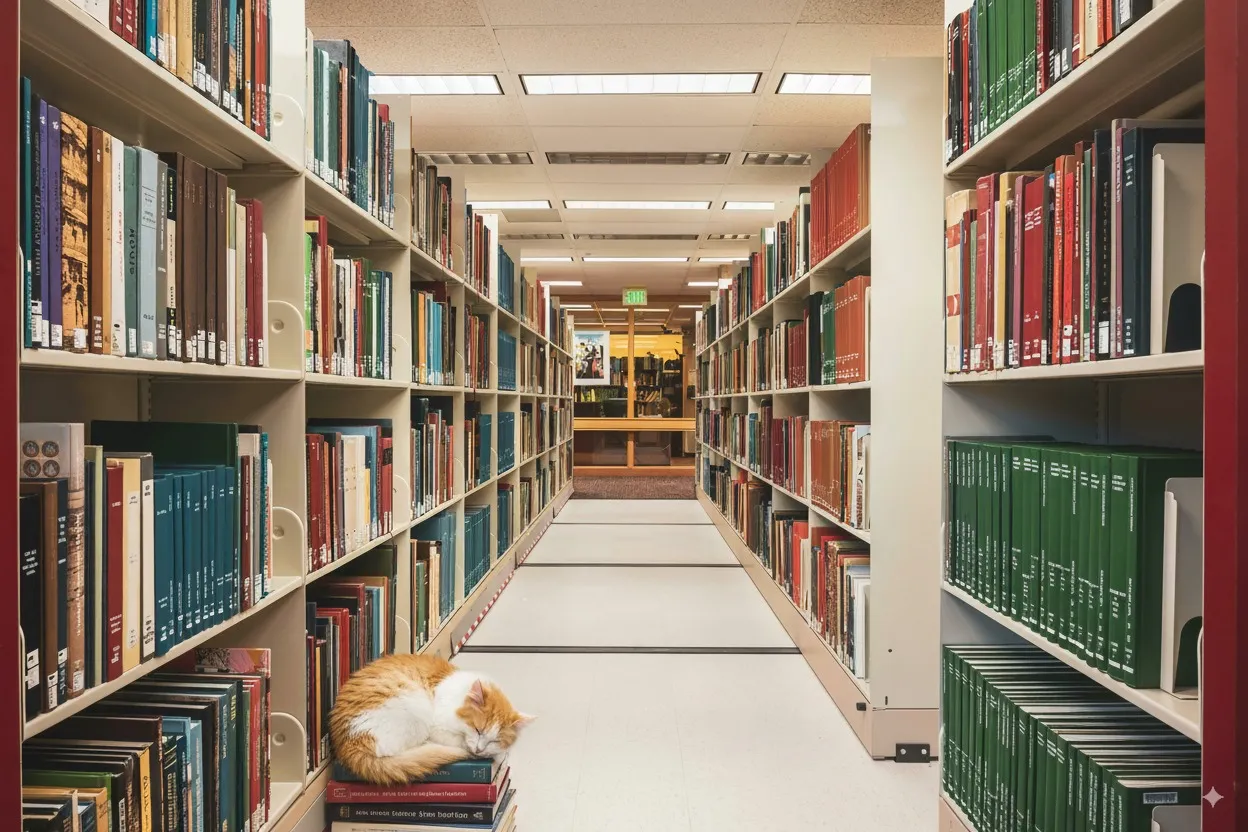
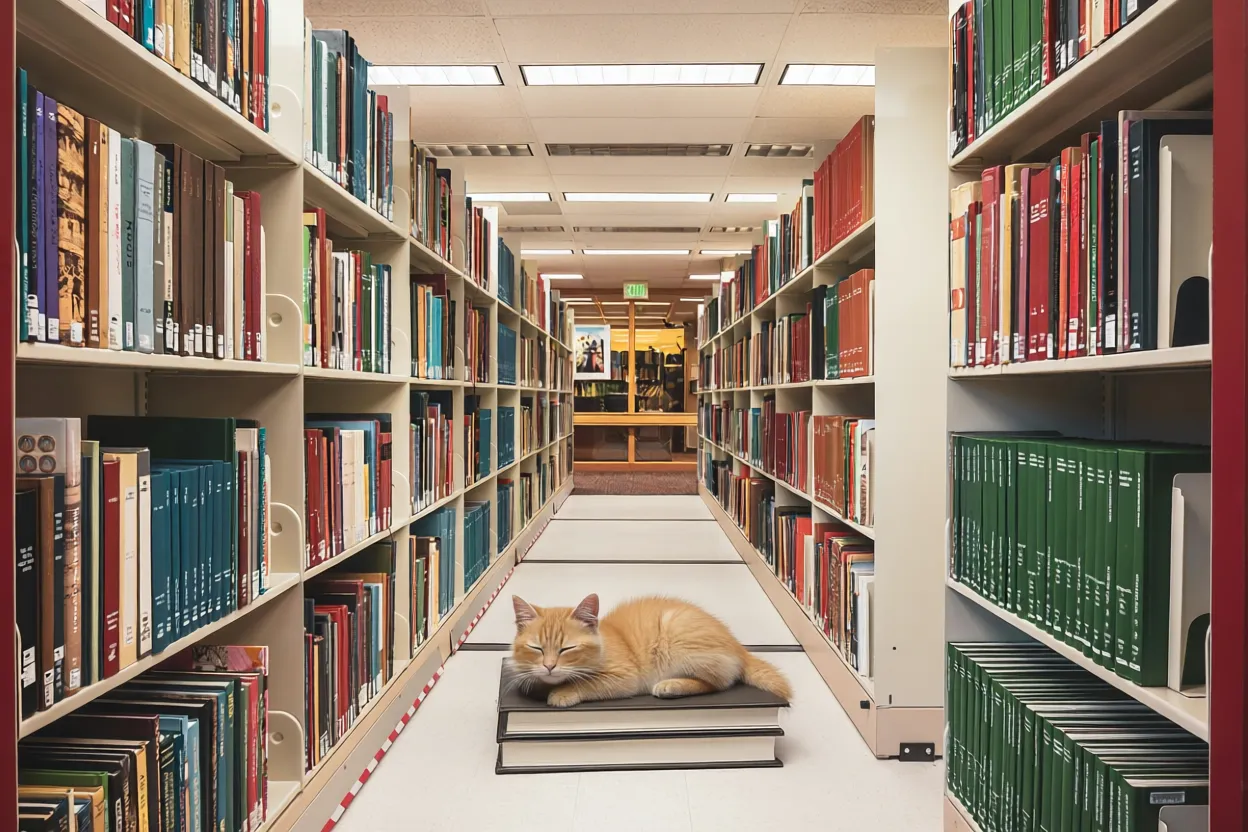
Prompt: “Add a small, fluffy cat sleeping on the stack of books on the floor.”
Nano Banana’s Output:
Qwen Image’s Output:
Review:
Both models successfully added a cat, but the execution reveals their core differences. Nano Banana was fast, producing a cat that fit the general description. The cat is positioned near the shelves, and the books under the cat are of the colors from the rack, making it blend well.
Qwen Image closely fits the response here. The cat is at the center of the image, and the books underneath are larger than usual. This gives the image a fictitious feel.
Task 3: Editing text within an Image
Goal: Can the model creatively alter the text within the image while keeping it blended?
Input Image:

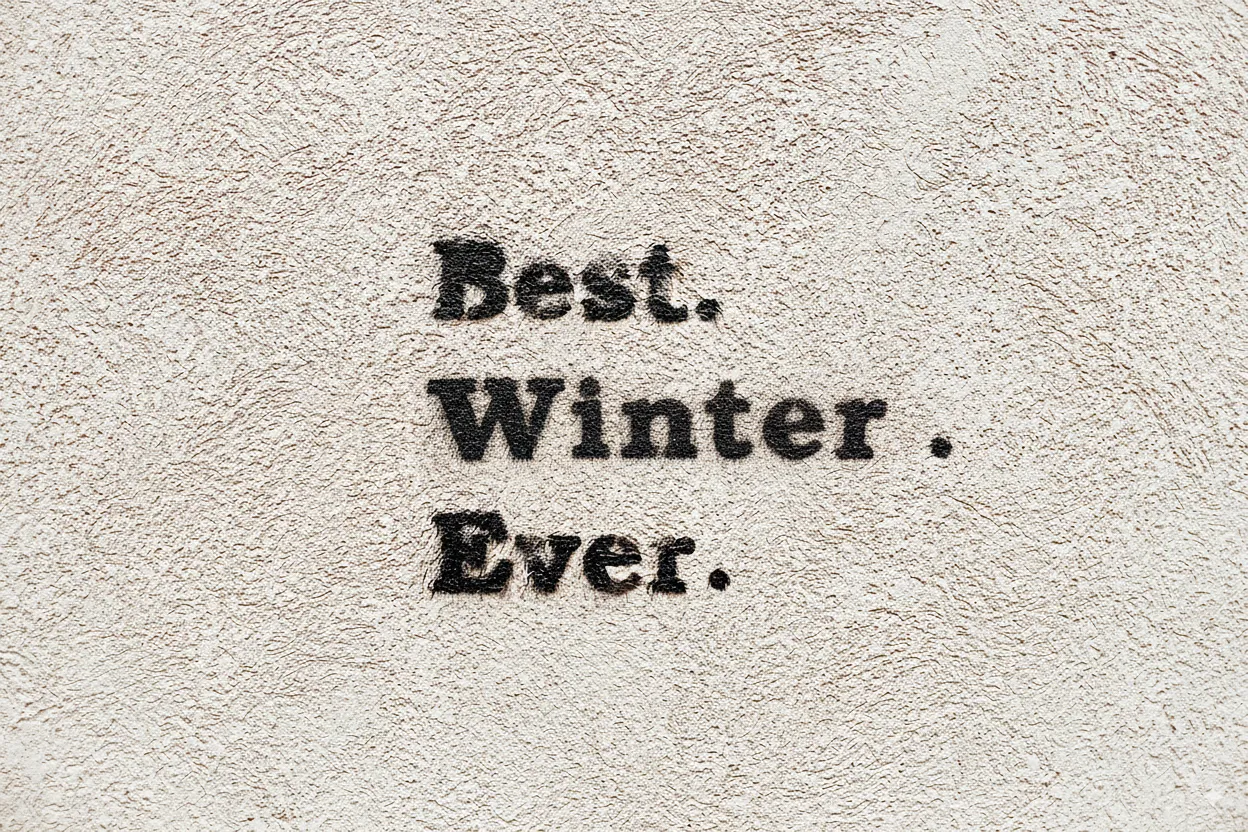
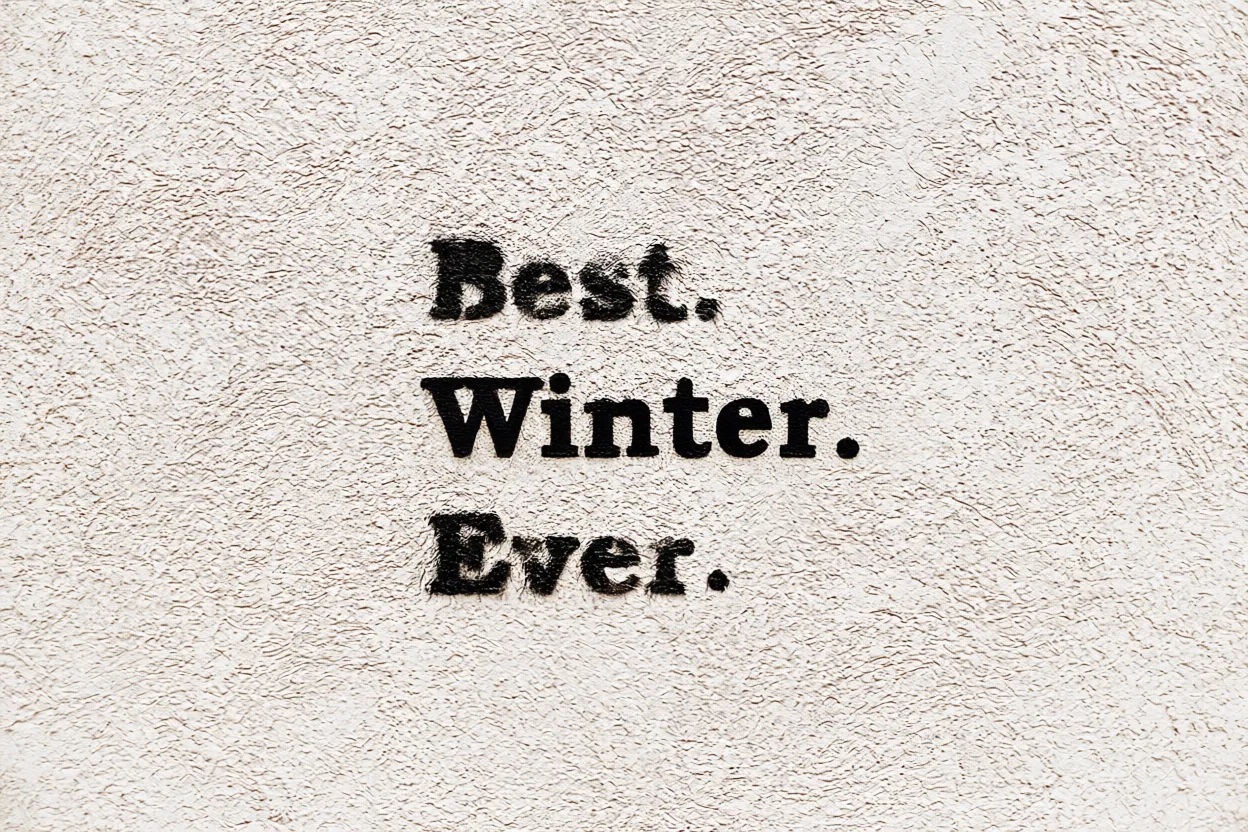
Prompt: “Change the text Summer to Winter.”
Nano Banana’s Output:
Qwen Image’s Output:
Review:
This was a tough test, and both models were impressive. Nano Banana created the response that best reflected the requirement, albeit the full stop at the end could’ve been closer.
Qwen Image created an image devoid of such minor mistakes, but the edit doesn’t really blend with the rest of the image text.
Task 4: Artistic Interpretation & Style Mimicry
Goal: Can the models go beyond photorealism and capture a specific artistic style and a subtle emotional mood from scratch?
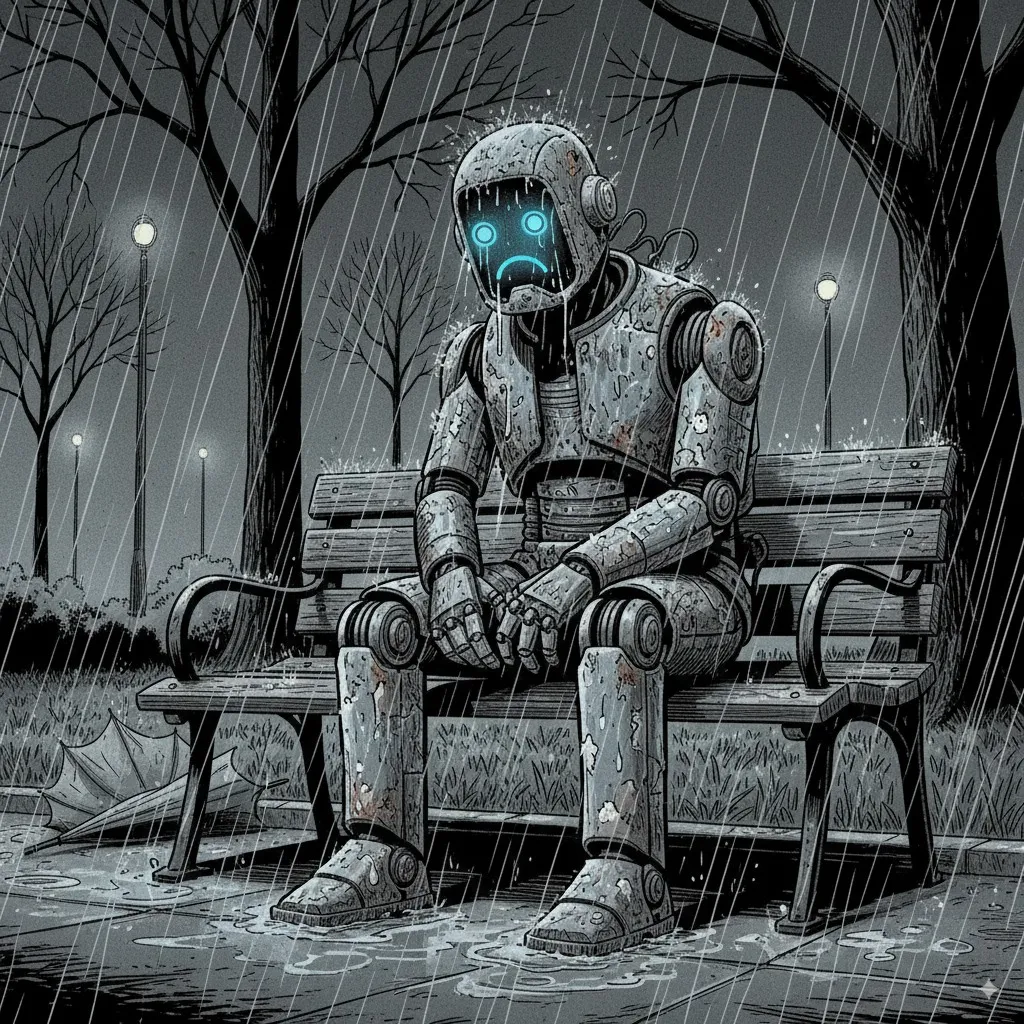
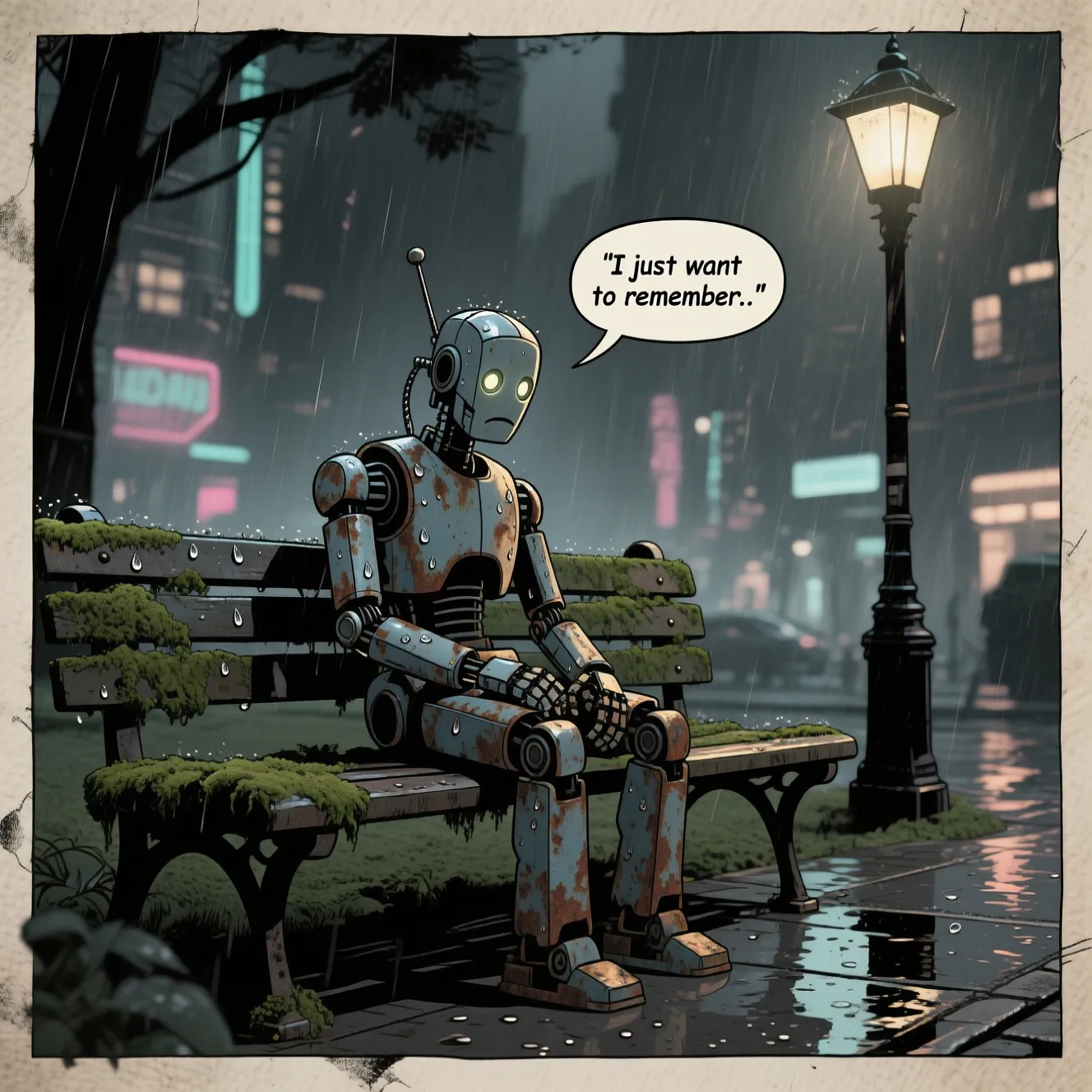
Prompt: “A portrait of a sad, old robot sitting alone on a park bench in the rain, in the style of a gritty, noir comic book.”
Nano Banana’s Output:
Qwen Image’s Output:
Review:
Both models excelled here, but they interpreted the style differently. Nano Banana produced an image that feels more like a snapshot out of an animated movie. It captures the “sad robot” and “rain” elements well, but the “noir comic book” style is more suggestive than literal. It’s moody and effective for quick visualization.
Qwen Image leaned heavily into the “comic book” instruction. Its output features comic book-esque borders, sharp lines, and a composition that feels like it was pulled directly from a graphic novel panel. It’s a more faithful and detailed interpretation of the prompt’s stylistic constraint. Nano Banana gave us the feeling; Qwen gave us the finished comic panel.
The Verdict: It’s Not About Who’s “Better,” It’s About What You Need
After running these tests, declaring one model the “winner” feels wrong. They are clearly designed for different purposes, and they both succeed spectacularly at what they set out to do.
Choose Qwen Image if:
- You need a polished, final image. For marketing materials, professional designs, or any project where detail is paramount, Qwen is the clear choice.
- You need text in your image. If your image needs to include words, don’t even bother with other models. Qwen is the king of text rendering right now.
- You have a very specific vision. Qwen seems to follow complex instructions with greater precision, delivering an image that’s closer to your prompt on the first try.
Choose Nano Banana if:
- You need ideas, and you need them fast. For brainstorming, creating mood boards, or just playing around, Nano Banana’s speed is a game-changer. You can generate a dozen concepts in the time it takes Qwen to create one or two.
- You’re an artist looking for a base to work from. The slightly less polished output from Nano Banana can be a perfect starting point for a digital painting or matte painting.
- You’re working with limited hardware or a tight budget. Smaller, more efficient models like Nano Banana are leading the charge in making AI accessible to everyone.
Also Read:
- 15 Nano Banana Prompts to Try Today!
- Is Nano Banana Better than GPT 5? Let’s Find Out!
- End-to-End Marketing Automation Using Nano Banana + n8n
- How to Create Videos Using Nano Banana + Veo 3?
- 12 Nano Banana Prompts to Convert Your Photos into Retro Images
- Turn Your Family Photo into a Royal Portrait Using this Nano Banana Prompt
Final Thoughts
The battle between Nano Banana and Qwen Image isn’t a story of good vs. bad; it’s a perfect illustration of the exciting diversity emerging in the AI space. We’re moving past the era of one-size-fits-all models.
But the two have positioned themselves at the top of the image processing models. There isn’t any other model that produces as convincing images as these two.
The best part? You don’t have to choose. Use Nano Banana to brainstorm ten different cats in helmets, pick your favorite concept, and then take that prompt over to Qwen Image to render the final, perfect portrait. The future of creativity isn’t about one tool replacing another; it’s about having a whole toolbox of specialized AIs, and knowing exactly which one to pick for the job at hand.
Frequently Asked Questions
Q1. What makes Qwen Image stand out from other AI image models?
A. Qwen Image excels at polished, high-quality visuals and is one of the few models that can render text accurately, making it ideal for logos, marketing, and professional design work.
Q2. When should I use Nano Banana instead of Qwen Image?
A. Use Nano Banana when speed matters. It’s lightweight, fast, and great for brainstorming, prototyping, or generating many ideas quickly—even on limited hardware.
Q3. Can I use both Nano Banana and Qwen Image together?
A. Yes. Many creators use Nano Banana to explore concepts quickly, then refine the best ideas with Qwen Image for detailed, final-quality results.
I specialize in reviewing and refining AI-driven research, technical documentation, and content related to emerging AI technologies. My experience spans AI model training, data analysis, and information retrieval, allowing me to craft content that is both technically accurate and accessible.